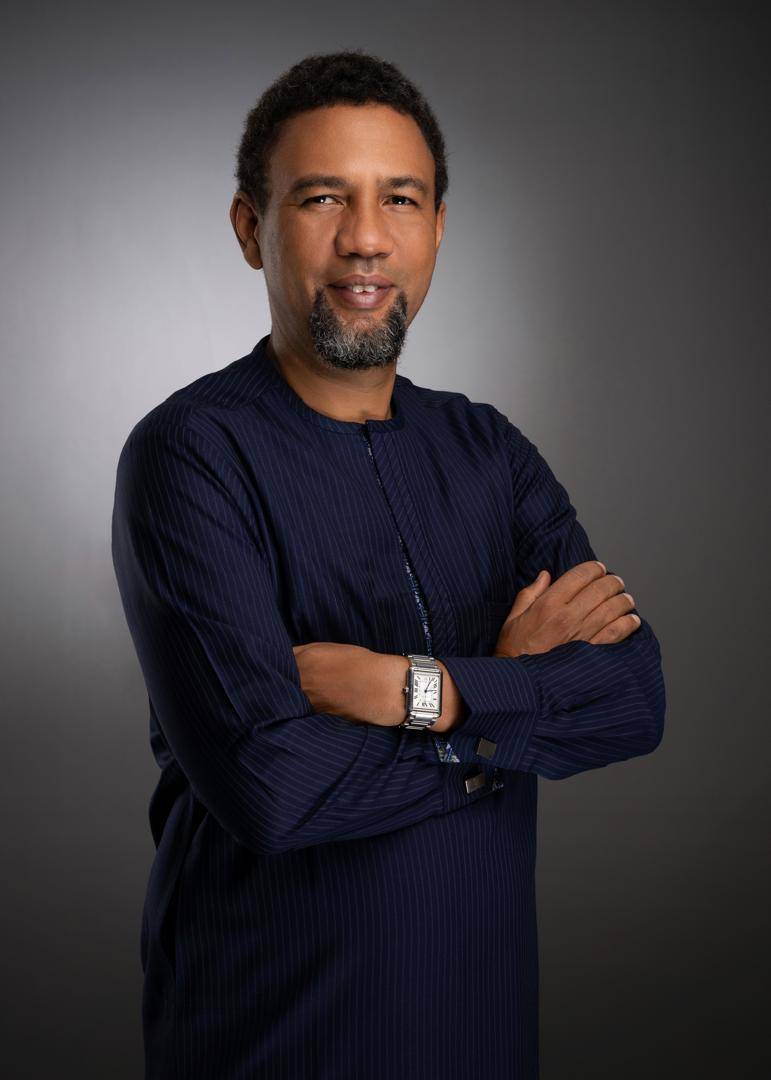
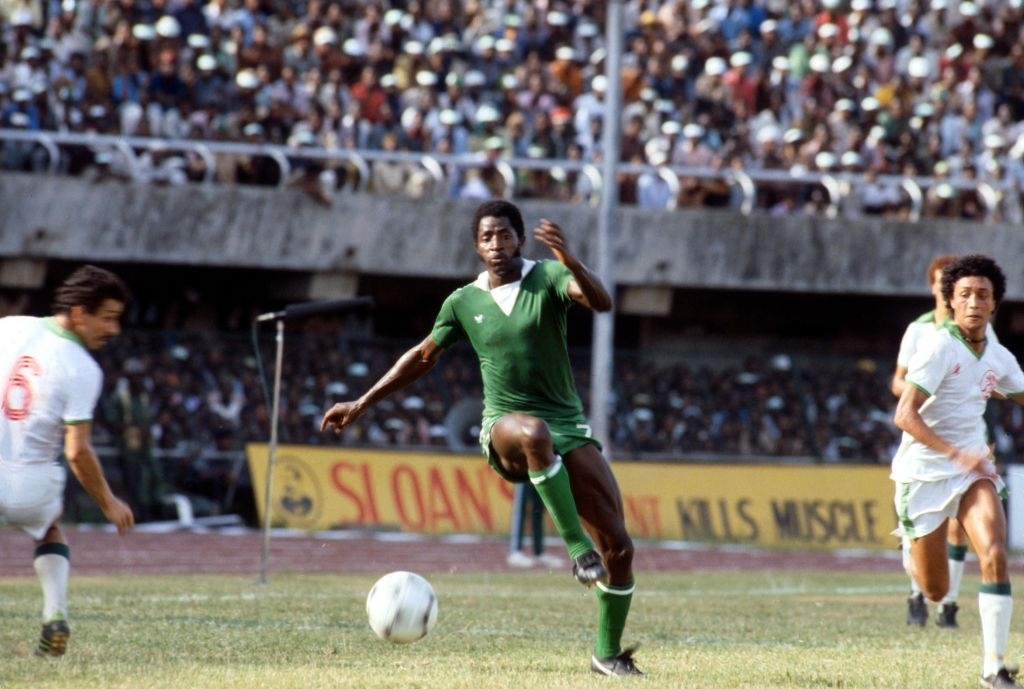
Segun Odegbami, the legendary Nigerian footballer celebrated as "Mathematical" for his on-field precision, provided a masterclass in the intersection of sports and national development during an interview on the One2one program. Drawing on his storied career with the IIC Shooting Stars and the Green Eagles, Odegbami reflected on a journey that began not with professional ambition, but with street football in the humble environment of Jos. Despite his father’s insistence on education, which led him to train as an engineer, Odegbami’s life was transformed when he discovered he could earn a living through the game while studying at a polytechnic in Ibadan. This unexpected shift saw him rise from a "slow striker" in local newspapers to a national "demigod" by 1973, an ascent he described to One2one as a transformation akin to traveling "from the earth to Mars".
The One2one highlights Odegbami’s unique perspective that football is merely "the surface" of a much deeper socio-economic reality. Rather than viewing sports as simple entertainment, he treats it as a lens through which to address critical issues such as health, finance, town planning, and national security. He shared an instance where his expertise as a sports ambassador was utilized by town planners to redesign the city of Mombasa, ensuring that the urban layout included running tracks and cycle lanes to promote physical activity. Currently leading the sports diplomacy unit at the Nigeria Institute of International Affairs (NIIA), Odegbami argues that the stadium is a powerful engine for "soft power" that remains largely untapped by modern government policies.
Related article - Uphorial Shopify

Odegbami pointed to the 1976 Olympic boycott as a primary example of sport's diplomatic weight. While the move cost many athletes their only chance at a medal, he noted that the collective action served as a global demonstration of soft power that contributed to the end of apartheid in South Africa. He expressed disappointment that successive administrations have failed to prioritize sport, even after the United Nations recognized it as a tool to eradicate illiteracy and unemployment. To counteract this neglect, Odegbami has established a non-profit model institution that uses athletics as a "patriotic glue" to attract young people back into the educational system.
Ultimately, the veteran athlete’s conversation on One2one underscores a belief that Africa’s path to emancipation lies in its cultural and athletic assets. Whether through music, literature, or the precision of the football pitch, he maintains that these tools are the most effective means for a nation to project its values and protect its national interests. His career serves as a blueprint for how a "scrawny teenager" from Jos can leverage personal character and discipline to become a catalyst for continental change.
Understanding Segun Odegbami’s vision for sport is like looking at a grand suspension bridge; while the cheering crowds only see the road they walk across (the game), the engineer sees the massive, hidden cables of education, diplomacy, and economics that actually hold the entire structure—and the society it serves—above the water.