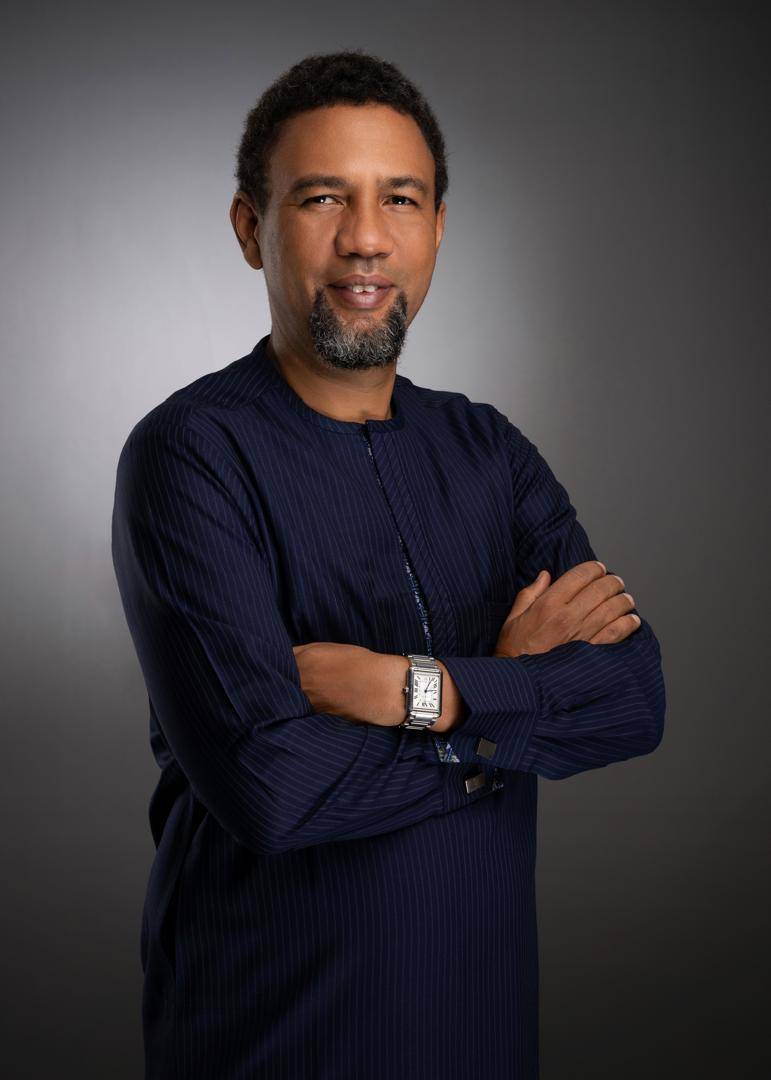
LAGOS – The Nigerian creative industry, a sprawling landscape of relentless energy and raw innovation, has spent the last decade in a state of perpetual metamorphosis. At the center of this evolution is Dammy Twitch, a director whose career serves as a microcosm of the sector’s broader trajectory. From the frenetic, high-budget music video era that defined the mid-2010s to the current, agile reality dictated by economic headwinds and digital disruption, Twitch has not only witnessed the shifts in the industry—he has been a primary architect of them. His decade-long journey, marked by a move from the periphery of sets to the vanguard of professional visual storytelling, offers a profound reflection on the resilience required to thrive in a market where the only constant is change.
The economic reality of the modern Nigerian creative sector is perhaps best exemplified by the recent volatility of the naira. Twitch speaks with the clarity of a veteran on how these macroeconomic pressures have forced a radical recalibration of production standards. The era of the bloated, high-budget music video, once the primary currency of status for both artists and directors, is rapidly receding. In its place, we see a new emphasis on efficiency: mobile-shot content, visualizers optimized for the rapid-fire consumption of social media, and a move toward streamlined production workflows. It is a transformational framing of necessity as innovation; the lack of resources has not stifled creativity but has instead demanded a sharper, more strategic approach to the medium.
Twitch’s professional evolution is a testament to the power of deliberate, long-term ambition. He recounts his early days as an unpaid behind-the-scenes photographer—a calculated move designed to secure a foothold in an industry that rarely grants access to newcomers. This period of humble service was the foundation upon which he built his reputation, eventually leading to the high-stakes world of international touring with major artists like Davido. This transition from observer to operator provides a lesson in strategic storytelling: his career was not built on the promise of an overnight breakthrough, but on the persistent accumulation of experience, trust, and creative equity. He emphasizes that as the Nigerian industry matures, the traditional silos of competition must be replaced by a culture of collaboration. Professional standards, once an afterthought, are now the prerequisite for global competitiveness.

Related article - Uphorial Shopify

The transition from music video directing to feature filmmaking represents the next frontier of Twitch’s creative journey. His debut project, Color of My Life, is more than a creative milestone; it is an exploration of the structural challenges that persist for independent filmmakers in a market dominated by legacy distribution systems. He speaks candidly about the financial hurdles, the scarcity of traditional funding, and the necessity of exploring alternative distribution models. The rise of micro-dramas and episodic digital content, he suggests, may hold the key to reaching audiences more effectively than the traditional cinema model. This is an example of intelligent curation—the ability to identify that the solution to industry stagnation does not lie in imitating global markets, but in creating models that are specific to the Nigerian context.

As the industry stands on the precipice of a new, AI-integrated era, Twitch maintains a perspective that is grounded in both optimism and pragmatism. He views artificial intelligence not as a replacement for human craft, but as a sophisticated brainstorming tool—a means of accelerating the ideation phase of the creative workflow. Yet, he is quick to remind us that the allure of new technology should never distract from the primary goal: the creation of timeless, culturally significant art. In his view, the most enduring works of art are those that transcend the medium of their creation. Whether it is a visualizer shot on a phone or a feature film shot on high-end cinema cameras, the value of the art lies in its ability to resonate with the specificities of the human experience. This perspective is rooted in a deep cultural understanding of what it means to be a creator in a country as complex and vibrant as Nigeria. Twitch’s journey is one of constant learning and adaptation. He understands that the industry’s greatest strength is its ability to synthesize external influences with local identity, and he argues that the next phase of the industry’s development will be defined by its ability to professionalize these creative processes without losing the raw, unfiltered energy that made the industry a global phenomenon in the first place.
Ultimately, Dammy Twitch’s career is a blueprint for the modern creative professional. He has successfully navigated the shift from the music video set to the director’s chair, all while maintaining a clear-eyed view of the economic and structural realities of his craft. His journey from an unpaid photographer to a respected filmmaker highlights the importance of agency, discipline, and the willingness to pivot when the market demands it. As the Nigerian creative industry continues to assert its place on the global stage, directors like Twitch, who possess the ability to bridge the gap between artistic vision and operational efficiency, will be the ones who define the next decade of Nigerian storytelling. He remains committed to the idea that the story is paramount, that the grind is the teacher, and that the ultimate success of the industry will be found in its capacity to build a sustainable, collaborative ecosystem that honors the creators as much as it celebrates the art. In a world of fleeting trends, his commitment to timeless narratives and professional rigor provides a stable anchor for an industry that is still, in many ways, just finding its true potential.