The cinematic landscape has recently been enriched by a definitive report on the invisible lives of the displaced, captured through the lens of the poignant short film We’ll Always Walk Along (Et toujours nous marcherons). The narrative follows Simon, a young man whose arrival in Paris is not marked by the typical tourist gaze, but by a desperate, focused mission to locate his older brother, Samuel, known to the streets as Alpha. Samuel has been missing for over a year, a silence that has created an agonizing void for his family. Through Simon’s journey, the film provides an exhaustive look at the shadowy world of undocumented immigrants, where existence is defined by a constant state of motion and the crushing weight of familial expectations.
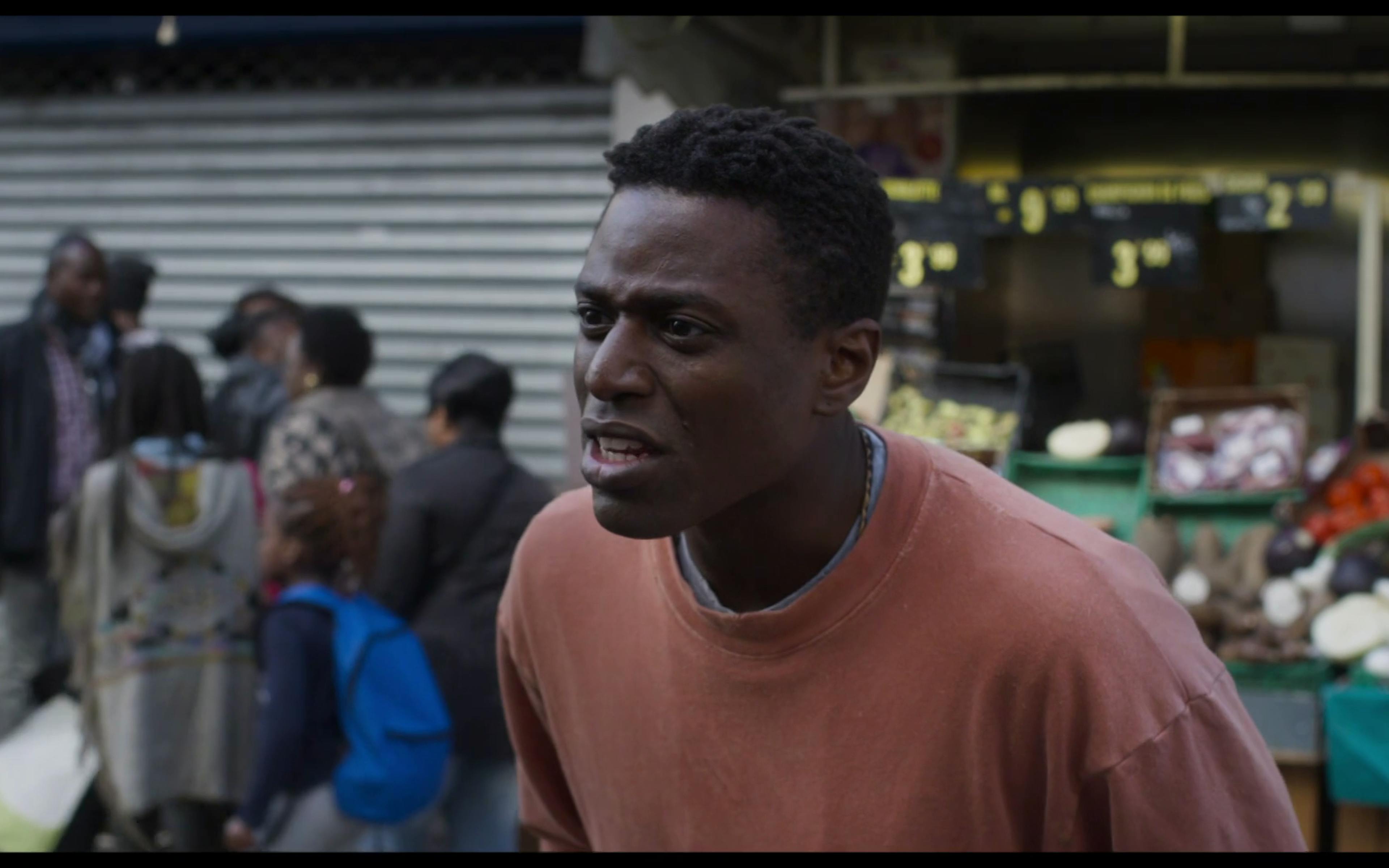
The search begins with Simon navigating the peripheral spaces of the French capital, moving through small shops, clandestine workshops, and gathering points for day laborers. This segment of the report functions as a survey of the psychological barriers within the migrant community. As Simon shows a photograph of his brother, he is met with a spectrum of reactions: some individuals are protective, fearing that any inquiry might lead to the authorities, while others are simply indifferent, their own survival occupying the totality of their mental space. This environment of wary silence highlights the isolation that defines the undocumented experience, where every interaction is a potential risk and anonymity is a survival strategy.
As Simon deeper penetrates the underbelly of Paris, the film presents a raw report on the realities of migration that rarely make it to the headlines. Through various encounters, he learns of the harsh employment conditions in clandestine settings, where laborers work in the shadows for meager wages, always looking over their shoulders. The narrative explores the specific anxiety of the "failed" migration; the film suggests that for many, the inability to send money home or achieve the heralded success expected by those in their home country is a fate worse than poverty. This creates a culture of silence, where men like Samuel vanish not into thin air, but into the shame of their own perceived inadequacies.
Related article - Uphorial Shopify

The investigation reaches its climax when Simon finally tracks down a critical lead—an acquaintance of his brother known as "The American." In a heart-wrenching confrontation that serves as the emotional pivot of the story, the truth regarding Alpha is finally revealed. Samuel was not lost to the streets or to a new life of luxury; he had been arrested and summarily deported back to their home country of Cameroon a year prior. The revelation is devastating because it strips away the hope that sustained Simon’s journey. The realization that his brother has already been returned to the starting point of their struggle—marked by the stigma of deportation—reconfigures Simon’s understanding of his own presence in the city.
The emotional weight of the film’s conclusion provides a sobering analysis of the migrant’s burden. Simon finds himself standing in the heart of a city that he fought to reach, now carrying the dual weight of his own future and his brother’s failed dreams. The "silence" that followed Samuel’s disappearance is now understood as a protective shell, a way for the older brother to hide his failure from a family that had placed its collective hopes upon his shoulders. This highlights the crushing pressure of the "immigrant hero" narrative, where anything less than financial triumph is seen as a betrayal of the bloodline.
Ultimately, We’ll Always Walk Along functions as a monumental report on the human cost of global displacement. It captures a moment in time where a young man is forced to reckon with the fact that the path he is walking is paved with the disappointments of those who came before him. By focusing on the intimate search for a brother, the film humanizes the cold statistics of deportation and clandestine labor. It stands as a reminder that behind every missing person in the margins of a great city, there is a family waiting for a word that may never come, and a brother who will continue to walk, carrying the heavy memories of a dream that was deferred by the cold reality of a border.