The landscape of modern stand-up comedy is often defined by sharp cynicism or political edge, but a definitive report on the enduring power of observational storytelling has emerged through the latest work of Gabriel "Fluffy" Iglesias. In a performance that balances his trademark high-energy delivery with deeply personal reflections, Iglesias has provided a narrative that serves as both a comedic survey of everyday life and a touching tribute to his cultural roots. The special, which navigates everything from the logistical peculiarities of late-night street food to the complexities of digital communication and the profound impact of parental support, reinforces Iglesias’s position as a premier chronicler of the human condition.
A central theme of the performance involves a technical and social analysis of the American taco truck phenomenon, a staple of the comedian’s touring life. Iglesias offers a sharp, comparative study of the "crew dynamics" found in these mobile kitchens. He notes a distinct preference for all-female crews, whom he describes as maintaining a level of efficiency and culinary care that often disappears after midnight. Conversely, he provides a satirical report on the "bitter" nature of certain late-night male crews. In his view, these operators often lack the hospitality expected in the service industry, delivering food with a bluntness that suggests the customer is an inconvenience rather than a guest. This observation resonates as a universal truth for anyone who has sought sustenance in the early hours of the morning, turning a mundane transaction into a comedic exploration of gender and workplace temperament.
The report moves from the streets to the digital realm as Iglesias recounts a harrowing, yet ultimately fortunate, encounter with modern technology. He details an evening where, after a night of drinking, he attempted to practice total honesty with his girlfriend regarding his whereabouts. However, the intervention of the iPhone’s aggressive spell-check feature altered the trajectory of the conversation. His attempt to mention a visit to a "Cena Bar" was corrected by the device to "Cinnabon." Ironically, this technological error prevented a potential conflict, as the suggestion of a late-night pastry run proved far more socially acceptable than the reality of the evening. This anecdote serves as a commentary on the "unintended consequences" of our reliance on smart devices, highlighting how artificial intelligence can occasionally act as a digital guardian angel, even when its primary function is merely linguistic correction.
:max_bytes(150000):strip_icc()/Gabriel-Iglesias-01-063023-42929a59ed634788b6f58a455609df27.jpg)
Related article - Uphorial Shopify
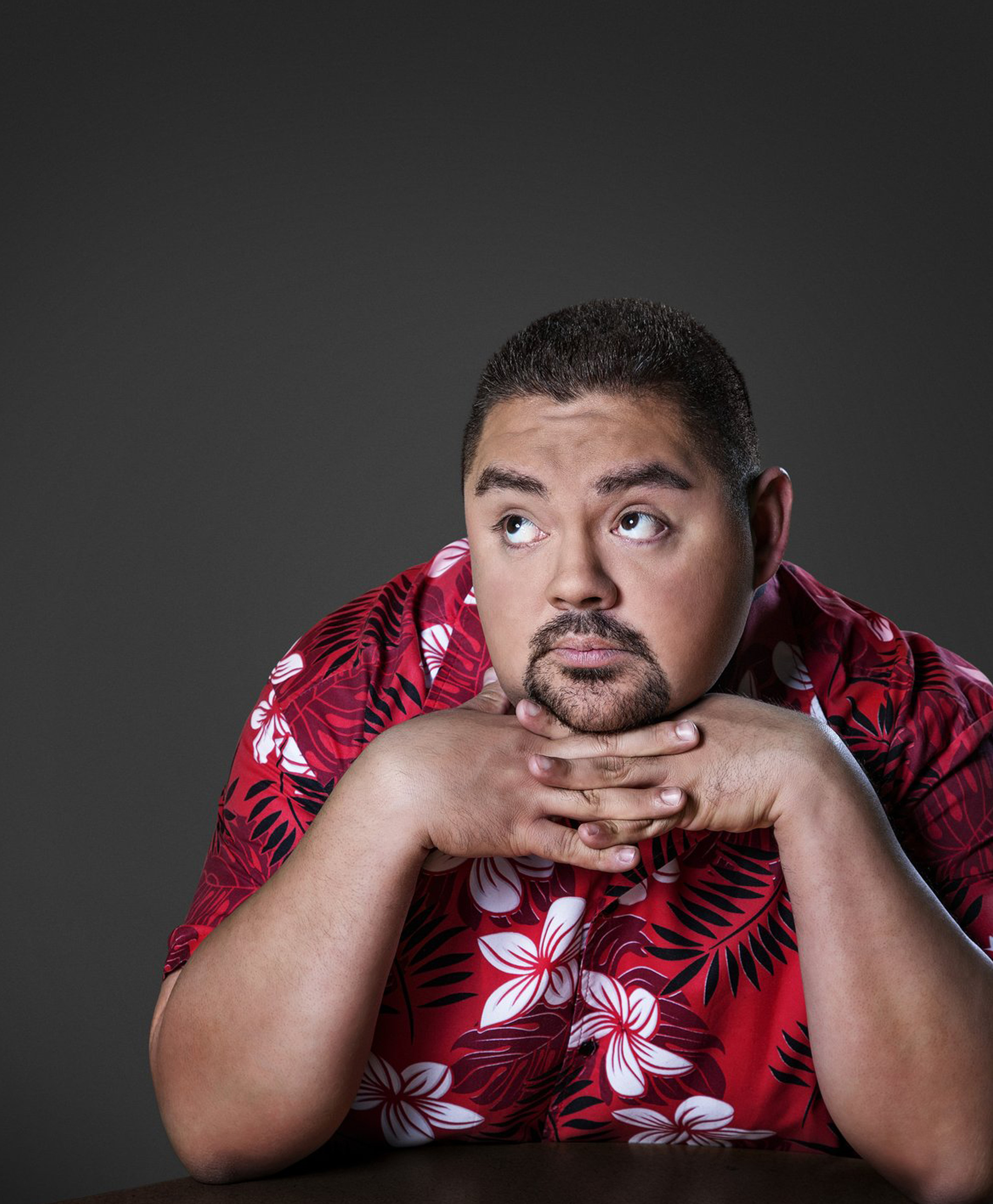
Beneath the laughter, the performance is anchored by a significant emotional core involving family dynamics and the role of the comedian’s mother. Iglesias speaks with startling vulnerability about her influence on his life and career. He describes a relationship defined by unwavering support, even when the nuances of the comedy industry—and the specific mechanics of his success—remain somewhat elusive to her. This segment of the report offers a universal look at the immigrant parent experience, where the success of the child is celebrated with pride, even if the professional path taken is entirely foreign to the parent’s own history. It is a portrait of a woman who remains his primary advocate, providing the emotional foundation upon which his global platform was built.

This familial narrative reaches a crescendo in what Iglesias describes as a career-defining moment: meeting the legendary singer Vicente Fernández. Recounting the experience of taking his mother backstage to meet the cultural icon, Iglesias characterizes the encounter as nothing short of "religious" for her. The gravity of the moment—standing in the presence of a man whose music has soundtracked the lives of millions across the Spanish-speaking world—transcended a typical celebrity meet-and-greet. The resulting photograph of his mother with Fernández represents a peak of personal happiness, a "cherished artifact" that symbolizes the fulfillment of a lifelong dream. By sharing this story, Iglesias moves beyond standard stand-up, providing a report on the profound intersection of celebrity, culture, and familial love.
The special also features a detailed commentary on the social politics of alcohol, where Iglesias breaks down his personal "avoidance list." He provides a satirical warning against the consumption of Jägermeister, suggesting that its unique chemical makeup leads to decisions that no rational person would defend in the daylight. Furthermore, he offers an insightful analysis of why wine has become "socially accepted" in a way that creates a tactical disadvantage for the drinker. He argues that because wine is often consumed in polite, social settings, it is significantly more difficult to track one’s total intake compared to the measured reality of hard liquor. This observation serves as a witty report on the "invisible" intoxication of middle-class social rituals, where the elegance of the glass often masks the potency of the liquid. Ultimately, Gabriel Iglesias has delivered a performance that functions as a comprehensive report on the absurdity and beauty of a life lived in the public eye while remaining rooted in private values. By weaving together the trivial frustrations of taco truck service with the monumental significance of meeting a cultural hero, he demonstrates that the most effective comedy is that which finds the extraordinary within the ordinary. As he continues to navigate the complexities of his career, this latest special stands as a testament to the fact that while the "Fluffy" persona is built on laughter, the man behind it is focused on the enduring power of family, honesty, and the occasional, life-saving intervention of a spell-check algorithm.