In the expansive, often daunting theater of theoretical physics, few voices carry the clarity and wonder of Dr. Michio Kaku. In a recent, wide-ranging conversation with host Steven Bartlett, Dr. Kaku didn't merely discuss the mechanics of our reality; he invited an audience of millions to stand on the precipice of the infinite. The dialogue was a masterclass in the intelligent curation of complex ideas, transforming the abstract, cold math of the cosmos into a narrative of human hope, technological inevitability, and the enduring mystery of our existence. By weaving together the birth of universes, the future of artificial intelligence, and the moral bedrock of human consciousness, the conversation offered a rare, strategic framing of the role science plays in defining the next chapter of our species.
At the heart of Dr. Kaku’s professional life lies the pursuit of the "Theory of Everything"—a single, elegant equation capable of binding the four fundamental forces of nature: gravity, electromagnetism, and the strong and weak nuclear forces. He speaks of this pursuit not as a chore, but as a lifelong romance with the language of the Creator. It is an act of emotional precision that underscores his work in String Theory, where he envisions the universe not as a chaotic accident, but as a symphony of vibrating strings. To hear him describe it is to recognize that we are not observers of the universe; we are participants in a grand, harmonious design, one that has been waiting for us to develop the mathematical vocabulary to finally hear the music.
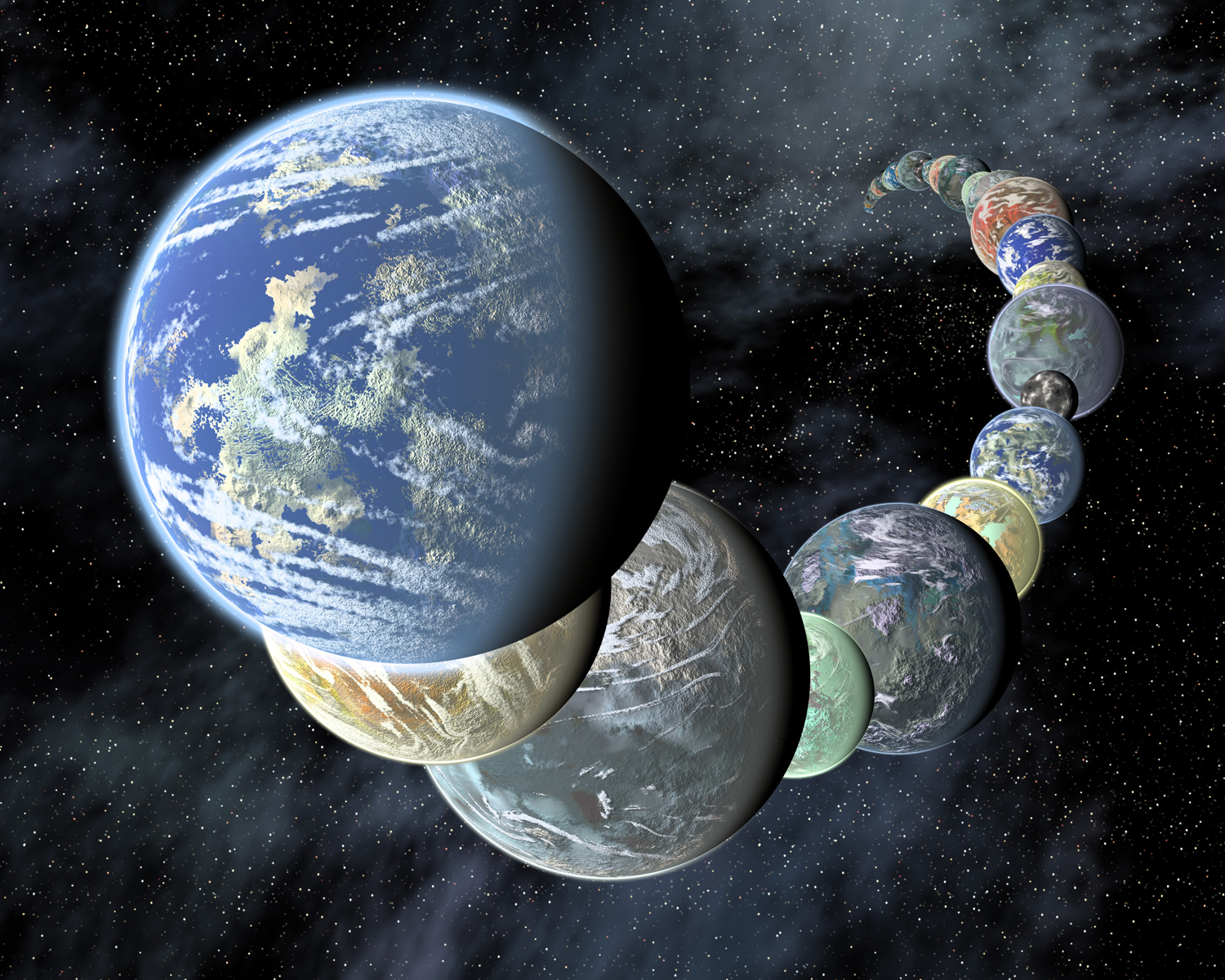
The conversation naturally extended into the cosmic neighborhood, where Dr. Kaku addressed the inevitable question of whether we are alone. With the calm authority of a man who has spent decades mapping the stars, he discussed the high mathematical probability of life within the Milky Way, gently pushing against the skepticism that often surrounds the topic of UAPs. His perspective here is one of cultural understanding; he recognizes that humanity’s long-standing fascination with the extraterrestrial is not merely a search for neighbors, but a reflection of our own desire to transcend the terrestrial limits of our current civilization. He views the "bubble bath" theory of cosmology—the idea that our universe is just one of many expanding from a frothing, dynamic vacuum—not as a reason to feel insignificant, but as an invitation to marvel at the sheer, unfathomable scale of the existence we occupy.
The pivot toward the future of technology was marked by both excitement and a sobering sense of responsibility. Dr. Kaku highlighted Quantum Computers as the next technological frontier, warning that their arrival will fundamentally challenge the digital security systems that currently safeguard our global society. Yet, when the discussion turned to the rise of Artificial Intelligence, he offered a poignant, transformational framing of what it means to be human. He carefully contrasted the raw, mechanical power of AI with the irreplaceable nature of human ingenuity. While machines excel at repetitive tasks, Kaku argues that they remain fundamentally incapable of replacing the messy, intuitive spark of human creativity and the moral weight of decision-making. He maintains that while AI will be the tool of the future, human experience—our ability to dream, to doubt, and to choose—remains the central engine of progress.
Related article - Uphorial Shopify
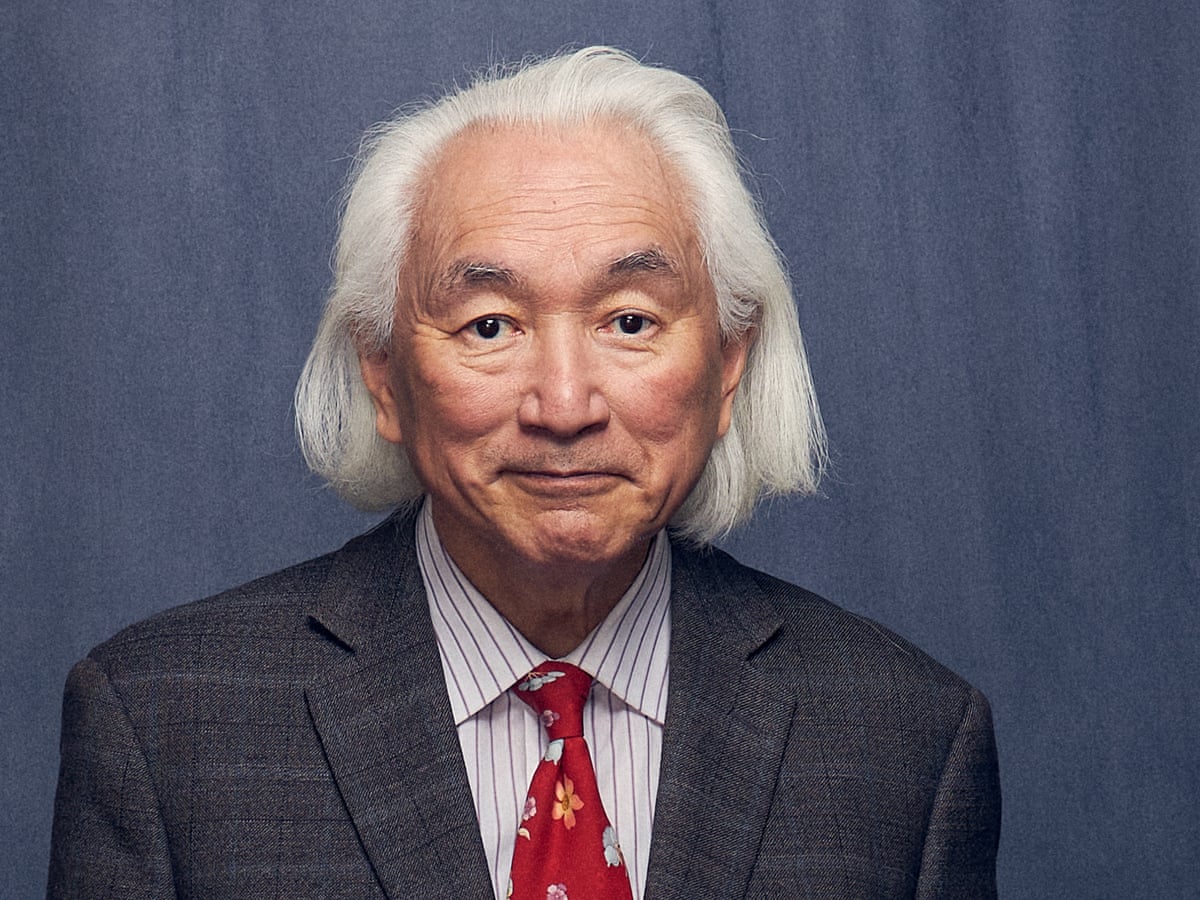
Perhaps the most humanizing moment of the interview arrived when the conversation turned from the external physics of the universe to the internal landscape of faith and morality. Dr. Kaku, whose life has been dedicated to the objective, observable truths of science, spoke of religion with a profound level of cultural empathy, viewing it as the necessary "glue" that holds the fabric of human society together. He reflected on his own moral foundation, a sensibility forged not just in the laboratory, but in the crucible of his service during the Vietnam War. It was a moment of vulnerability that grounded his high-level physics in the shared, painful, and beautiful experience of human survival. He does not see science and faith as enemies, but as complementary lenses, each required to see the totality of the human condition.
Throughout the interview, Dr. Kaku’s mission was clear: to dismantle the wall of intimidation that often separates physics from the public consciousness. He insists that the study of the universe is not a gatekept hobby for specialists, but a foundational requirement for anyone who seeks to understand the modern world. By encouraging a return to the innate curiosity of childhood—the drive to ask "why"—he empowers his listeners to see the hidden patterns of reality as a source of agency rather than confusion.
As the conversation concluded, the takeaway was not a set of dry, academic facts, but a renewed sense of wonder. Dr. Kaku leaves us with a vision of a future that is not something that happens to us, but something we are actively building through the combination of our technology, our ethics, and our scientific rigor. The narrative he weaves is ultimately one of optimism, suggesting that while the universe is vast and its secrets deep, we possess the tools and the tenacity to not only survive our own advancements but to eventually understand the very mind of the Creator. In this way, Dr. Kaku does not just report on the state of the world; he transforms our perception of it, reminding us that we are made of the same stardust that fuels the galaxies, and that our curiosity is the compass by which we will eventually chart the reaches of the infinite.