Accra Ghana - Few emerging figures embody reinvention and intentional growth quite like Genesis Nwosu. His musical and artistic journey is not defined by a single breakout hit or viral moment, but by a steady transformation — one that reflects both personal maturation and the broader shifts within the Nigerian music industry. Genesis Nwosu’s story is one of identity, experimentation, and resilience — a narrative that mirrors the trajectory of a generation. That journey from Ghana to Australia, back to Nigeria, and into the wider world is as much a musical exploration as it is a personal odyssey.
It resonates with a generation of creatives whose identities bridge continents and whose music reflects a hybrid sense of self. Roots in Motion: A Transcontinental Heritage Genesis’s story begins not in a single place, but between places. Born to Nigerian parents, raised across Ghana and Australia, his upbringing was woven with multiple cultural soundscapes — highlife rhythms, Afrobeat swagger, and the alternative R&B currents of Australian youth culture. Unlike artists whose identities are shaped within one cultural frame, Genesis carries a tri-layered heritage that informs both his sound and his worldview. Ghana’s melodic sophistication, Nigeria’s lyrical cadence, and Australia’s experimental openness have each left indelible marks on his artistry. Musicologist and cultural commentator Ama Boateng reflects: “Artists like Genesis don’t just borrow sounds — they live them. His music is a natural extension of a life lived across borders.

You feel both familiarity and unfamiliarity — that tension creates something new.” This intercontinental identity is not superficial fusion — it is personal language. It allows Genesis to draw from diverse emotional registers and sonic possibilities. Early Years: Learning the Language of Music Genesis’s earliest musical lessons were rooted in community — church choirs in Accra, melody exercises in Sydney, and street cyphers in Lagos. Each context offered a different rhythm, tone, and emotional palette. In Ghana, he absorbed call-and-response traditions and the nostalgic cadence of highlife. In Australia, he encountered alternative R&B and indie influences that encouraged genre-blending. In Nigeria, he embraced Afrobeat’s energy and the storytelling intensity of local lyricism. Rather than dilute his identity, this multiplicity became his strength. His influences were not fragmented — they were complementary lenses through which he learned to articulate his creative voice.
From Experimentation to Intentionality Genesis’s early releases hinted at promise but lacked a singular direction. Songs blended Afrobeats, soul, and pop without quite anchoring artistic identity. It was during a period of introspection — after moving between continents and reconciling personal narratives — that his music began to crystallize. Tracks such as Imprint and Reflection (early independents) moved toward emotional resonance rather than pure rhythm. Listeners began noticing not just catchy hooks, but sincerity: lyrical vulnerability, self-querying, and texture-rich production. Critic and industry voice Emeka Obi says: “There was a shift from creating music that sounded good to crafting music that felt good — that spoke. That emotional authenticity became Genesis’s signature.” This pivot marked a crucial step: Genesis stopped chasing trends and began defining his own.
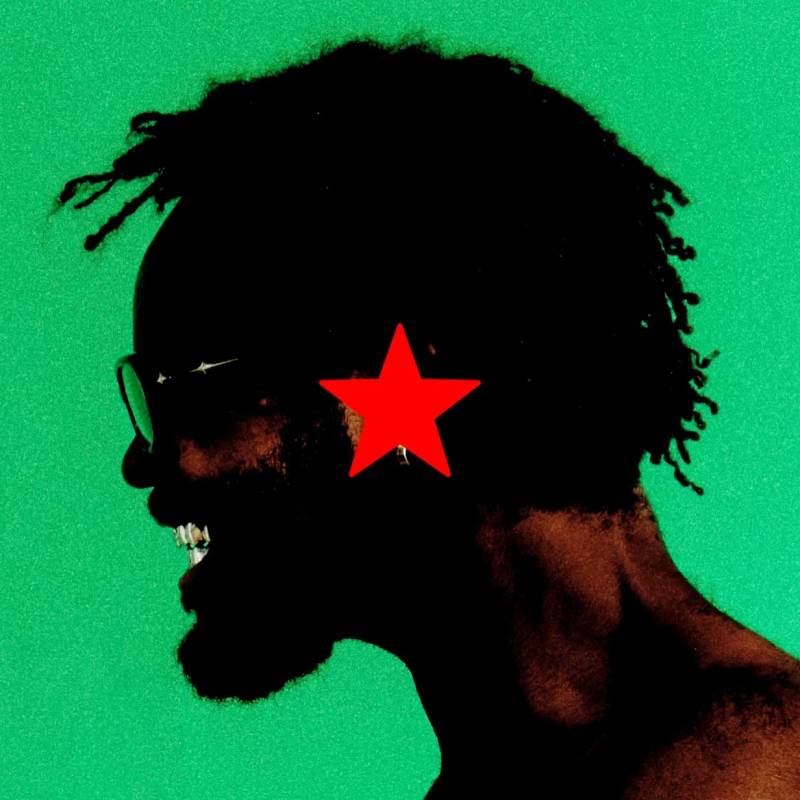
Related article - Uphorial Shopify

The Hybrid Sound: Identity Woven in Cadence What sets Genesis apart is not merely genre fusion — it is heritage transposed into musical form. His songs carry: Ghana’s melodic richness, especially in layered harmonies Nigeria’s rhythmic confidence and lyrical dexterity Australia’s alternative sound design and emotional vulnerability This hybrid identity manifests not as collision but as cohesion: a musical grammar where influences are not competing, but conversing. For example, tracks like Sundown Diaries blend Afrobeat percussion with reverb-soaked vocal textures reminiscent of Australian indie-R&B. In contrast, Heartbeat Echo leans into highlife-tinged guitar loops layered with introspective lyricism. What emerges is a sound that is unmistakably Genesis — not easily boxed, but intimately recognized. Significance: Who Does Genesis Represent? Genesis’s artistic trajectory is significant beyond his discography. He embodies a generation of artists shaped by migration, digital connectedness, and cultural hybridity. His music challenges older paradigms that narrowly define “African sound” or “Western sound.” Instead, Genesis proposes: Music as lived experience rather than borrowed tradition.
This stance resonates with an audience that no longer experiences identity as fixed. Young creatives and listeners across West Africa, Australia, and the diaspora see in Genesis a mirror of their own interconnected cultural realities. In this way, his artistry becomes a cultural bridge, not only musically but socially — encouraging listeners to embrace complexity rather than simplified labels. Industry Impact: Beyond Trends In an industry often dominated by the rapid cycle of trends, Genesis’s approach stands out. His progression suggests a model for sustainable artistic growth:
Authenticity over virality His rise hasn’t been dictated by one viral moment, but by consistent depth. Intentional community building He connects with listeners who appreciate narrative richness and emotional honesty. Genre fluidity as identity He demonstrates that blending styles need not be gimmick — it can be self-definition. According to talent manager Sade Oluseyi: “Artists like Genesis are shaping the future of African music — not by fitting global templates, but by contributing something genuinely unique.” In this sense, his work influences how industry stakeholders think about artist development, audience engagement, and international receptivity.
Creating Without Borders Beyond charts and streams, Genesis’s impact is felt in cultural conversations. His narrative speaks to young creatives navigating dual or multiple identities — particularly Africans in the diaspora who feel both rooted and globally attuned. His lyrics often explore belonging, self-discovery, and emotional honesty — themes that resonate widely in an age of cultural negotiation. A fan from Accra shared this sentiment: “His music feels like it was written for people who don’t fit neatly anywhere — but feel connected everywhere.” That emotional geography — lived, felt, and expressed — is where Genesis’s music becomes deeply relevant. Conclusion: An Ongoing Journey Genesis Nwosu’s musical and artistic evolution is not a neatly concluded chapter — it is a continuing story of self-unfolding. His Ghanaian-Australian-Nigerian heritage doesn’t just inform his sound — it emboldens it, creating space for vulnerability, complexity, and creative fearlessness. In a global music era defined by cross-cultural exchange and boundary dissolution, Genesis’s journey offers a blueprint: that identity can be layered, music can be reflective, and success can be intentional. His impact — as an artist and cultural interlocutor — is still unfolding. But if his trajectory so far teaches us anything, it’s this: Authenticity is not only a creative choice — it is a musical force. And in that force, Genesis Nwosu continues to thrive, evolve, and inspire.