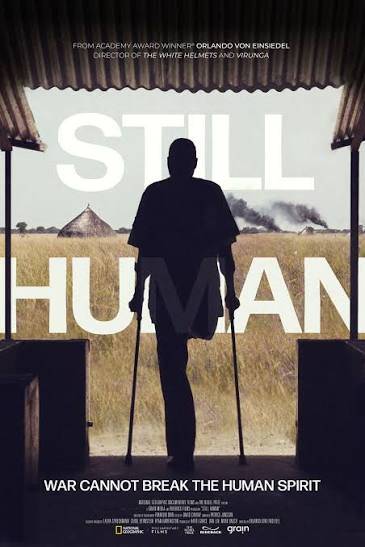
PORT AU PRINCE – The liberation of Haiti in 1804 remains one of the most significant milestones in human history, marking the first time a nation of enslaved people successfully overthrew their colonial masters to establish a free republic. However, as a profound new documentary explores, this hard-won sovereignty was immediately met with a calculated financial onslaught that would cripple the nation for more than a century. The film meticulously outlines how the transition from a slave colony to an independent state was sabotaged not by the failure of the Haitian people, but by a predatory international system designed to ensure that freedom came at an impossible price. The result was a cycle of debt and economic stagnation that serves as a haunting blueprint for modern neo-colonialism.
The central tragedy of this narrative began in 1825, two decades after Haiti declared its independence. In a move that redefined the concept of state-sponsored extortion, King Charles X of France dispatched a formidable fleet of warships to the Haitian coast. Under the explicit threat of naval bombardment and a return to war, France demanded a staggering indemnity of 150 million gold francs. This was not a payment for goods or services, but a "ransom for independence." Effectively, the French government forced the new nation to pay for its own freedom, requiring the Haitian government to compensate former slave owners for the "property" they had lost—that property being the very bodies and lives of the Haitian people who had fought to be free.
This initial demand set the stage for a century of profound economic stagnation. Haiti, a young nation still recovering from the physical and human toll of its revolutionary war, did not possess the liquid assets to pay such an astronomical sum. To satisfy the French ultimatum, the Haitian government was coerced into taking out massive loans from French banks. This created what historians in the film describe as a "double debt." Haiti was forced to pay the principal of the indemnity while simultaneously servicing high-interest loans to the very nation that had demanded the ransom. This financial stranglehold persisted until 1947, ensuring that for over 120 years, the vast majority of Haiti's national wealth was funneled into foreign bank accounts rather than being invested in schools, hospitals, or the basic infrastructure necessary for a developing nation to thrive.

Related article - Uphorial Shopify
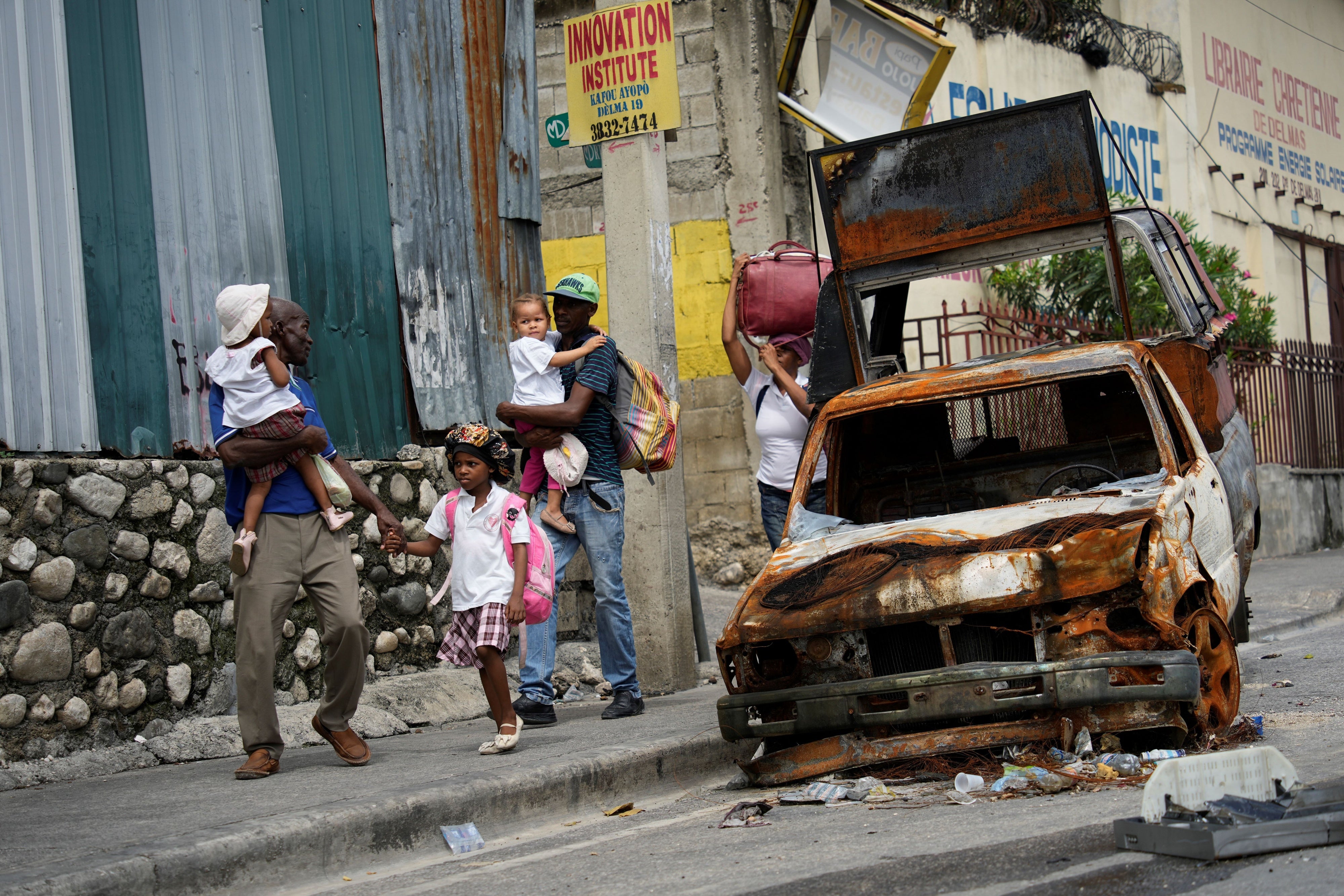
The documentary argues that this was not merely a financial oversight but a sophisticated form of neo-colonialism. By controlling the nation's purse strings, foreign powers maintained a level of influence over Haiti that rivaled direct military occupation. Without the need to station troops on the ground, international investors and banks were able to extract wealth from the island, effectively keeping the nation in a state of perpetual economic tutelage. This system ensured that while Haiti was technically a sovereign republic, its destiny was dictated by ledgers in Paris and later New York. The wealth generated by the labor of the Haitian people was systematically siphoned away, leaving the domestic economy in a state of arrested development that persists in many forms today.

The modern struggle for justice reached a fever pitch in 2003, when then-President Jean-Bertrand Aristide took the unprecedented step of demanding official reparations. Aristide argued that the 1825 ransom was a violation of international law and a crime against humanity. With the help of economists and historians, he calculated that the original indemnity, adjusted for inflation and interest, amounted to over 21 billion dollars. His demand for reimbursement was a direct challenge to the global financial order and sought to rectify the historic theft that had stunted his country. However, the film notes with a sense of grim irony that Aristide was removed from power in 2004 during a period of intense political unrest, an event that many activists believe was influenced by his diplomatic pressure on France. His departure effectively ended the formal pursuit of these funds on the global stage.
In its concluding chapters, the documentary offers a poignant call for healing and reconciliation. It posits that Haiti’s current struggles—its political instability, its infrastructure deficits, and its economic vulnerability—cannot be understood in isolation from this colonial history. The film challenges both the Haitian and French governments to move beyond a simple acknowledgement of the past and to address the "moral debt" that remains unpaid. It suggests that true reconciliation can only begin when there is an honest accounting of how this financial shackles were forged and a collective effort to dismantle their lasting effects. For Haiti, the path to a prosperous future requires an international community willing to confront the predatory legacy of the 1825 ransom and support a vision of sovereignty that is finally free from the ghosts of debt.