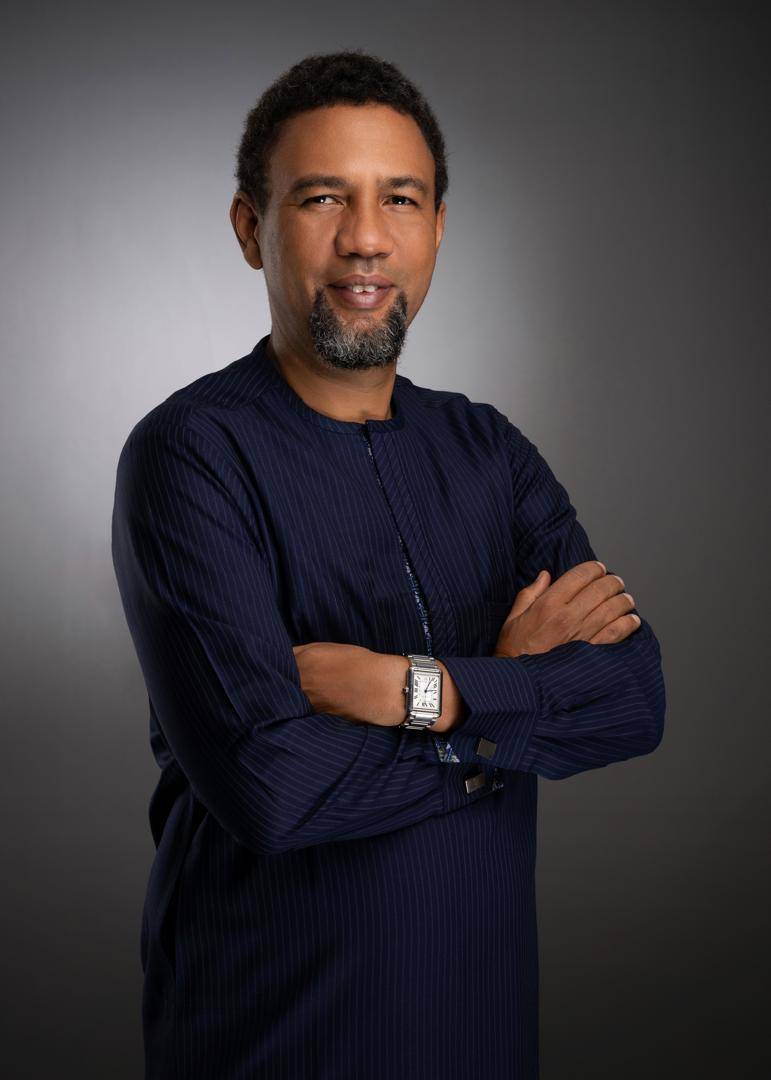
Nigeria's creative economy is currently valued at 25billion and is poised for exponential growth, potentially reaching 250 billion by 2035. This sector, driven by the nation's soft power—the talent, creativity, and innovation of the Nigerian people—is seen as the country's greatest opportunity for economic growth, mass employment, and self-actualization. Venture Valley discusses this revolution with Obi Asika, a cultural pioneer and policy strategist who helped architect Nigeria's creative transformation, from building Storm Records to driving national arts and culture policy.
Nigerian soft power is expressed across various domains, including visual arts, film, music, fashion, food, and sports. Historically, every great modern civilization, such as Brazil with Jungle Bonito (football) and the UK with Shakespeare and the Olympics, has leveraged its soft power. However, a major issue highlighted by Asika is that the biggest investors in Nigerian creativity have not been Nigerian. This reflects a significant failure to monetize success beyond performance and secure ownership within the value chain. For instance, despite Burna Boy being the biggest African musician globally for at least two years, there is a lack of non-music "Burna Boy product". The failure to capitalize on influence is widespread, contrasting sharply with figures like Rihanna, who became a billionaire through Fenty products, not record sales. Similarly, Nollywood female superstars with over 10 million followers often lack corresponding lip gloss, hair product, or makeup lines.

Related article - Uphorial Shopify

The key to unlocking the future success of this sector lies in adopting the business approach over "show business". This requires IP collateralization, where Intellectual Property (IP), not houses or traditional assets, is backed as collateral. The IP industries activate 60-70% of the US economy, and Nigeria must align with this understanding. The value chain is massive: IP, such as a book, monetizes into films, comics, merchandise, pajamas, and calendars. Yet, there is virtually no merchandise associated with Afrobeat stars, Nollywood films, sports clubs, or even universities in Nigeria, despite institutions like Harvard leveraging alumni funding into billions.
The potential of emerging sectors is staggering. Gaming is the largest sector of the entertainment industry worldwide, bigger than music and film, generating billions of dollars in days. Since there are "really no black games," Nigeria, possessing original black stories, stands at the cusp of a massive opportunity, with developments like Rise of the Oisha soon heading to platforms like Xbox or PlayStation. The animation space also shows huge potential, evidenced by Comic Republic licensing their Nigerian-created IP to Universal Pictures for $4 million.
Driving this transformation requires intentional infrastructure and professional management. The newly established Creative Economy Development Fund (CEDF), backed by Afrexi bank, currently holds 20million with a target of 2 billion to stimulate the private creative sector. Creatives are urged to be professionally managed, securing a business manager, lawyer, and accountant, as "no artist makes it by themselves". The Nigeria Center for Arts and Culture (NCAC) is creating a platform called Discover Niger and establishing 22 to 37 ICE Hubs (Innovation, Creativity, and Entrepreneurship) across the country. These hubs aim to convert dead government assets into physical spaces with digital labs and green rooms, offering subsidized production facilities to activate and upskill creators across Nigeria, with the goal of activating about a million creators over the next three years.
Ultimately, Nigerian soft power, particularly through Afro beats, has already changed the nation’s global image, replacing negative perceptions of fraud with those of creativity and innovation. Asika believes that if Nigeria successfully resolves its domestic ecosystems across sports, fashion, music, and movies, the $250 billion goal for the domestic economy is entirely achievable. This strategic development necessitates that Nigerians "don’t talk about it, be about it" to capture the vast opportunities available in the market.