The staggering influx of electronic waste (e-waste) into Ghana, a crisis the government largely ignores despite its deadly impact, is the subject of intense dissection by Best Documentary. The channel highlights that while Ghana maintains "very strict laws" against crimes like cocaine trafficking and armed robbery, there is a distinct lack of legal framework to halt the flow of second-hand goods, leading to a state of "sheer pretense" and "sheer hypocrisy" regarding e-waste. As Best Documentary points out, "there is no concerted effort as a country in addressing this issue," despite the clear dangers.
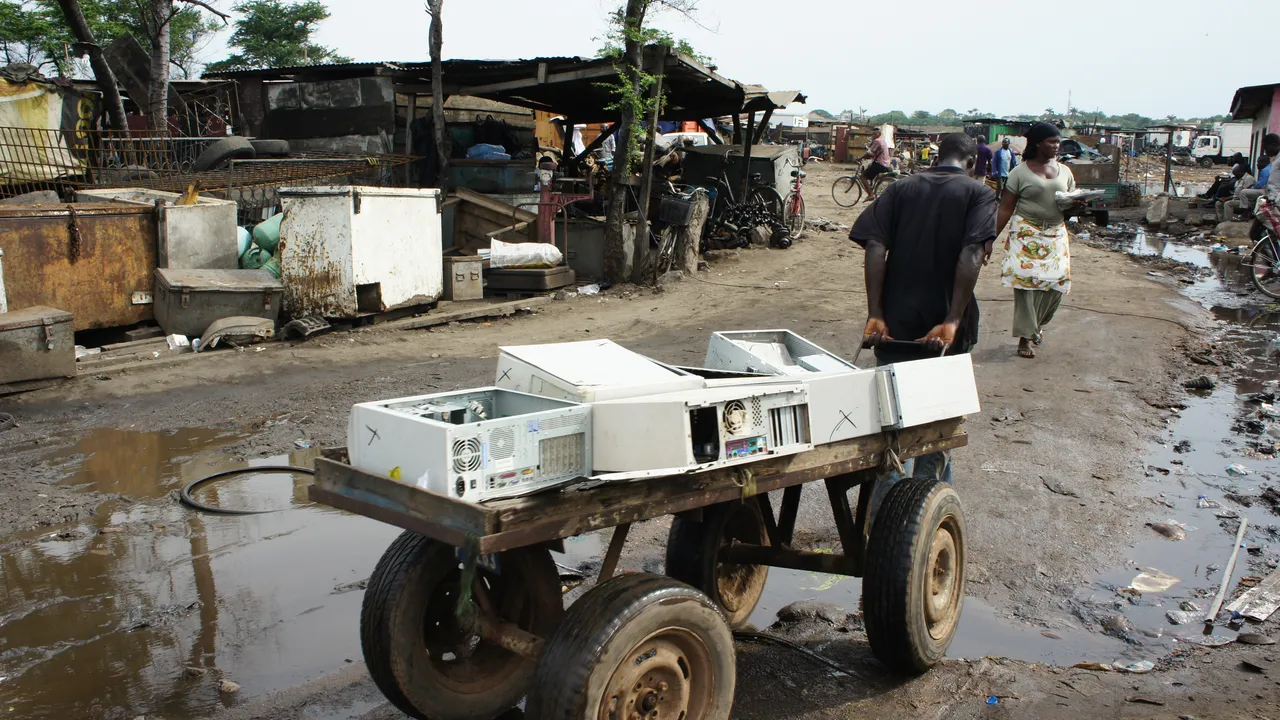
The primary catalyst for this toxic trade is Ghana’s massive need for affordable technology. As a developing nation where people cannot afford new gadgets and unemployment is high, there is a "huge market for second-hand goods". When a hundred devices are imported, approximately "about 80%" are repairable, feeding an informal economy of highly skilled, self-taught technicians. These "fixers" effectively make technology accessible, allowing people in Africa to afford computers and devices so they can "watch the World Cup" or "get a Gmail account". Businessmen involved in the trade, like Joe Benson, argue they are prolonging the life of equipment, asserting that someone using common sense "would not pay for something that is waste".
Related article - Uphorial Shopify
However, the line between used goods and outright illegal waste is constantly blurred, a situation exacerbated by government complicity. Best Documentary revealed that customs authorities see the shipments from the EU and elsewhere but "leave it," allowing the toxic material to enter Ghana. Furthermore, the authorities then charge tax on these imports, prompting the pointed question: "If you know these goods are bad, why are you charging tax on it?". This political inertia is driven by fear, as the leadership has "over the years closed one eye on that illegality because stopping it will cost them some votes". Any move to stop the flow of e-waste would create a "huge unemployment situation" by displacing the thousands of people who rely on it for income.
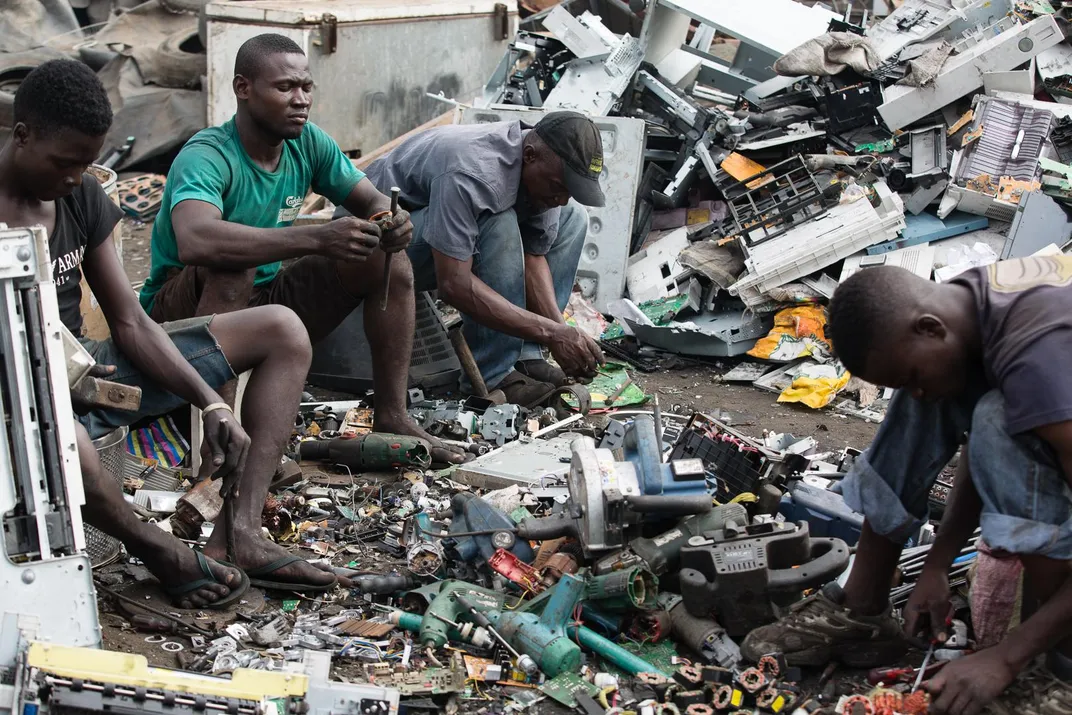
The grim epicenter of the crisis is Agbogoloshi, where families survive by burning e-waste materials to retrieve metals like copper and aluminum. People sleep, eat, and work among the toxic fumes. This is their only option for survival, as they "can't get money to eat" otherwise. Workers, including "very young people," sift through the soil for metals to sell for small amounts, sometimes as low as one Ghana Cedi. The environment is severely contaminated with "extremely high levels of some toxic metals, things like lead and cadmium" and highly persistent organic chemicals generated from burning plastics.
Workers suffer immediate health consequences, and some have developed cancer. Best Documentary cited the tragic case of a young man who was struck by a car while picking wires and died after doctors at Kolebu Teaching Hospital reportedly refused to attend to him.
The solution, activists argue, must provide a financial incentive, not just environmental appeals. While mechanical shredding and water separation systems have been developed to eliminate harmful burning and safely reclaim copper, these systems must be deployed. The key, according to experts shown by Best Documentary, is making sure the worker "can make more money than you do at the moment" by cycling wires, thus earning up to 30% more. Despite the immense suffering, there is a powerful spirit of self-reliance among the youth, like one individual who calls himself a "re-survivor" and believes that people "must try to help yourself in your own way," even suggesting saving money to pay for education tuition. Ultimately, the need remains for the government to establish "good business or factories" to provide job opportunities for the youth.