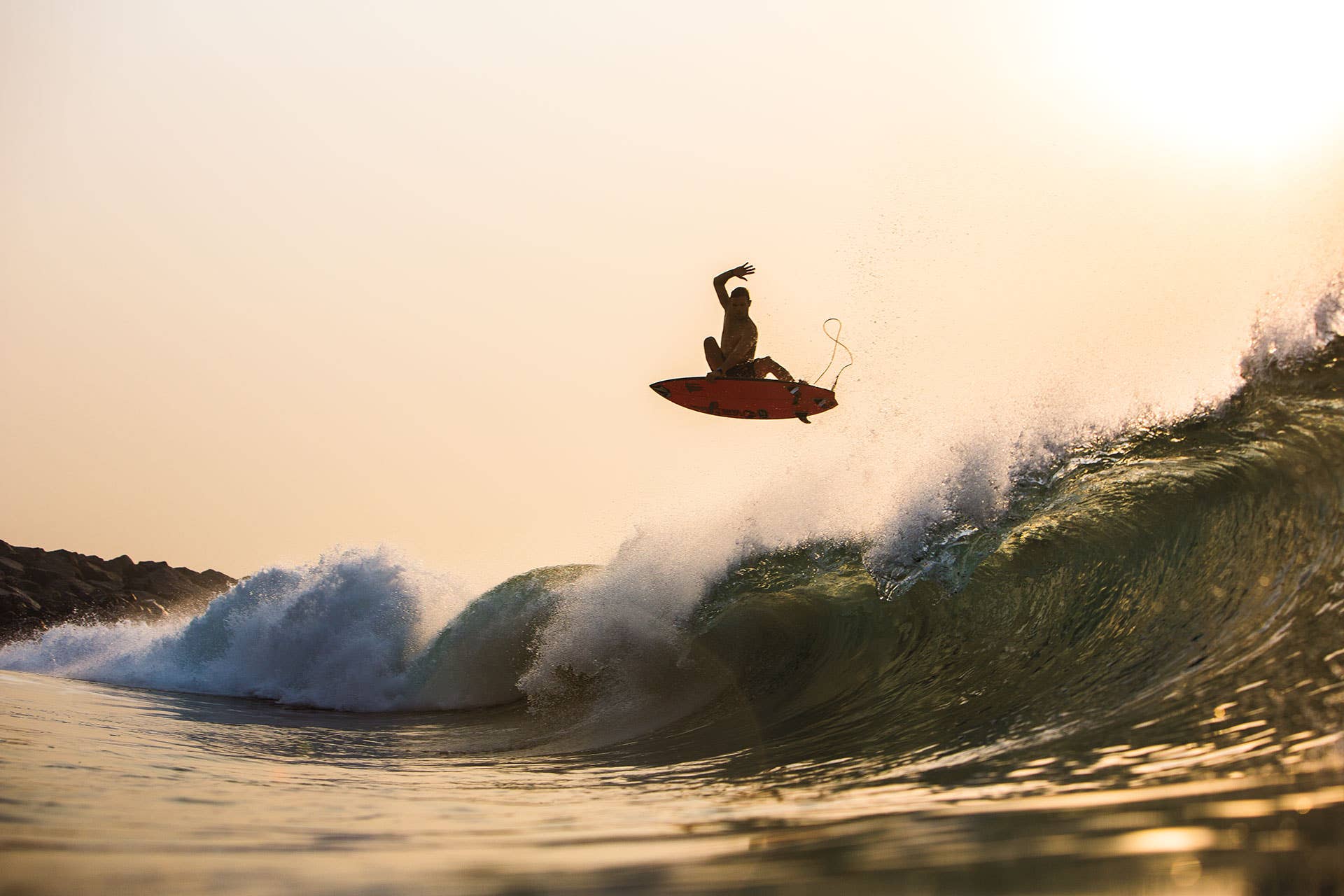
The Atlantic Ocean crashes against the breakwaters of Tarkwa Bay with a rhythmic, unrelenting persistence that seems to mirror the pulse of Lagos itself, yet here, the frequency is entirely different. Accessible only by the gentle hum of a boat engine leaving the city’s concrete density behind, this sheltered cove has become the unlikely birthplace of a movement that is as much about the spirit as it is about the sea. It is here that multidisciplinary artist and visionary Daniel Obasi has turned his lens upon a burgeoning community of young Nigerian surfers, documenting a transformative process of self-discovery that defies the conventional expectations placed upon the youth of this nation. To watch these young athletes navigate the surf is to witness a profound act of reclamation, where the ocean serves as a vast, blue canvas for the architecture of new identities.
For decades, the narrative of the Nigerian youth has been heavily tethered to the relentless pursuit of economic stability within the urban machine. In the bustling markets of Surulere or the high-rise commerce of Victoria Island, life is a sprint, a constant negotiation for space and survival. Yet, at Tarkwa Bay, the pace shifts to the cadence of the tide. Obasi’s work captures this shift with extraordinary emotional precision, peeling back the layers of grit and sand to reveal the vulnerability inherent in the act of riding a wave. For many of these surfers, the board is not merely a piece of equipment; it is a conduit for freedom. In a society that often demands rigid conformity, the ocean offers a rare sanctuary where the only rule is the integrity of one’s balance. The act of catching a wave becomes a metaphor for seizing one's own narrative, a physical manifestation of the courage required to dream outside the prescribed boundaries of a typical Lagos life.
Related article - Uphorial Shopify
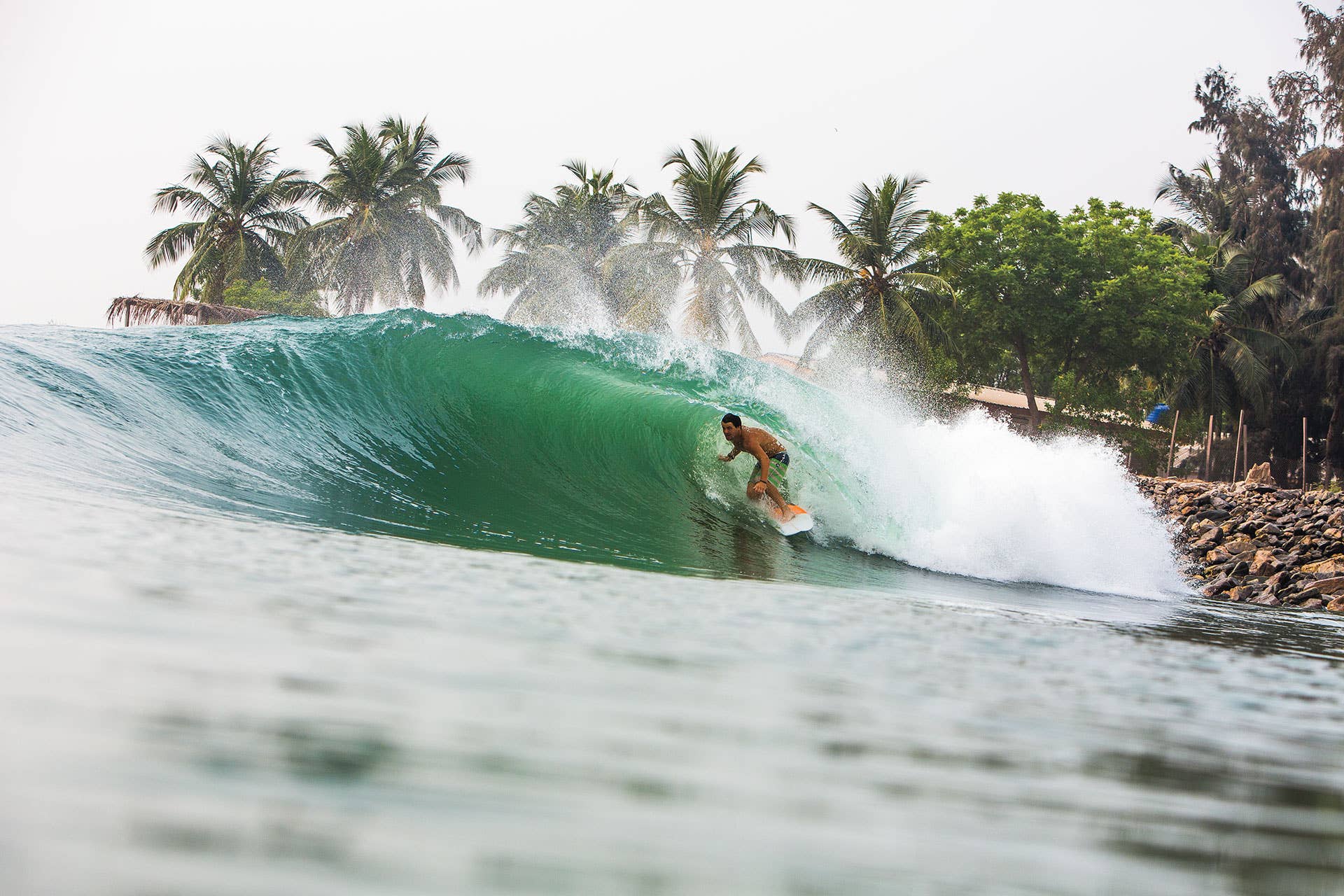
The visual language Obasi employs is deeply rooted in an intelligent curation of the environment. He avoids the tired, hyper-masculine tropes that often define sports photography, opting instead for an aesthetic that is fluid, evocative, and deeply fashion-conscious. By framing these surfers not just as athletes, but as protagonists of a living, breathing art piece, he elevates their existence to the realm of the profound. The textures of the sand, the spray of the salt air, and the intentional stillness of the moments before a surfer paddles out are rendered with the same meticulous care as a high-fashion editorial. This stylistic choice is a deliberate piece of cultural understanding; it suggests that there is a quiet, radical beauty in the lives of ordinary Nigerians who have chosen the water as their theater of operations. Obasi forces the viewer to confront a new reality where the "traditional" Nigerian experience is expanded to include the pursuit of passion, stillness, and the mastery of the elements.

This is strategic storytelling at its most potent. Obasi does not merely document the sport; he situates it within the complex socio-cultural tapestry of Lagos. He understands that for young Nigerians, surfing is a form of defiance. By engaging with a sport traditionally seen as foreign or inaccessible, these youth are disrupting the status quo, effectively broadening the horizon of what it means to be African in the twenty-first century. This is transformational framing: the surfers are no longer just people on a beach; they are architects of a subculture that prioritizes personal growth and communal resilience over the hollow metrics of success. The camaraderie displayed in his imagery, the shared weight of the boards, and the mutual support as they paddle toward the horizon speak to a collective awakening. They are learning to navigate the turbulence of their own internal worlds by mastering the turbulence of the Atlantic, proving that self-discovery is an active, ongoing process that demands both grit and grace.
Ultimately, the story of Daniel Obasi and the surfers of Tarkwa Bay is a testament to the inexhaustible human desire for liberation. In the face of a city that constantly demands speed, these young men and women have chosen to listen to the ocean. They have discovered that beneath the noise of the metropolis, there is a space where they can breathe, recalibrate, and invent themselves. Obasi’s work serves as a vital record of this evolution, capturing a moment in time where a group of young people decided that their lives were not to be defined by the concrete that surrounds them, but by the horizon they chase. It is a powerful reminder that identity is not something we are given, but something we cultivate—often in the most unexpected places, against the backdrop of the crashing sea, and with the courage to simply stand up and ride. Through this lens, the surf at Tarkwa Bay becomes more than just water; it becomes a catalyst for a generation’s journey toward its own, authentic soul.