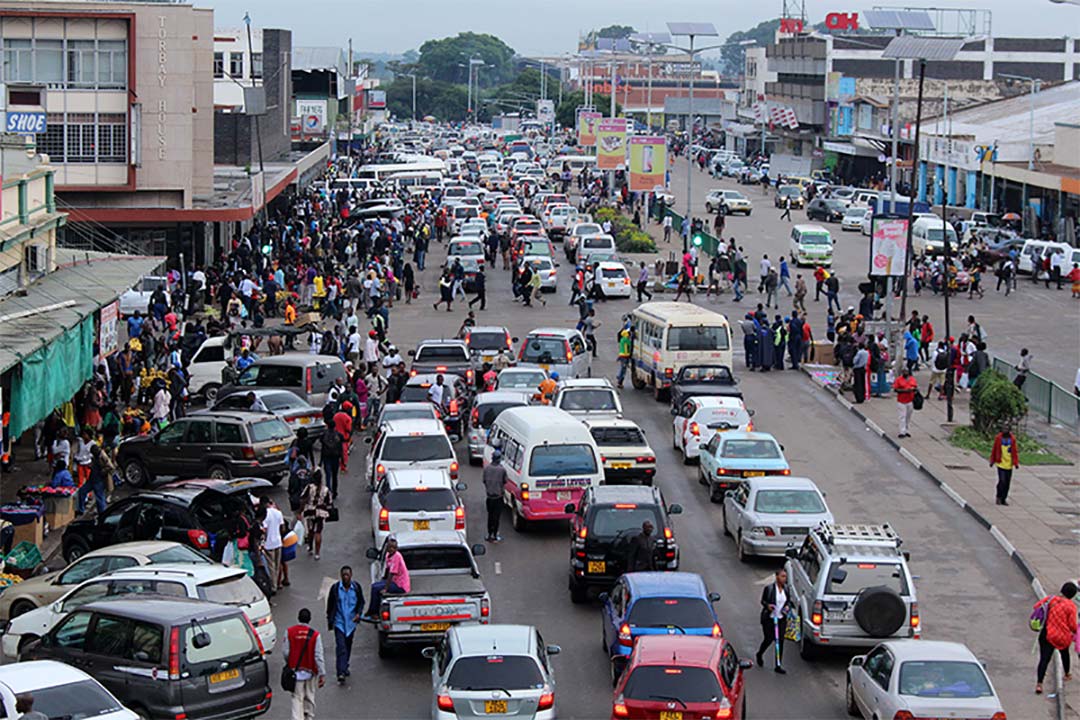
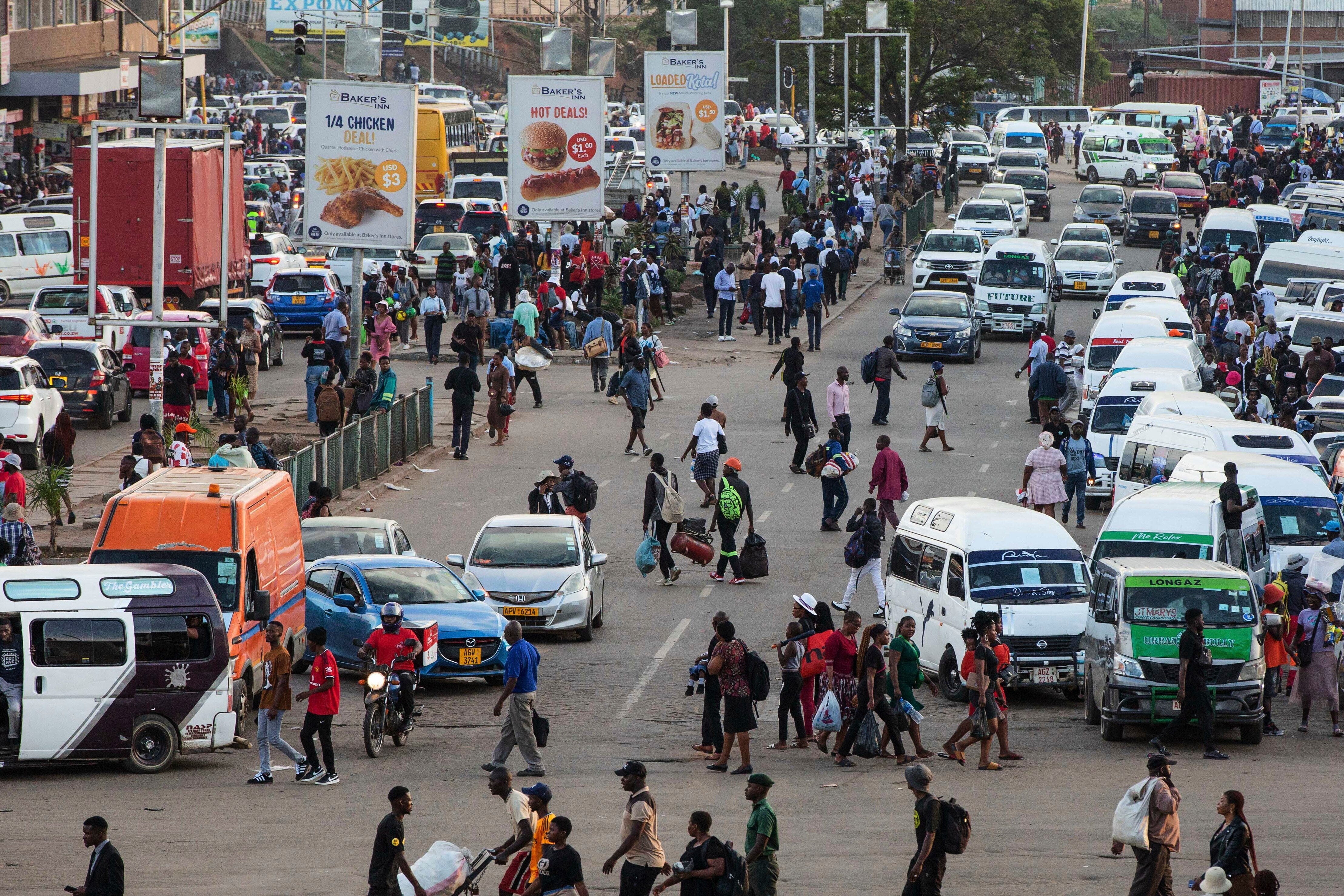
HARARE - Harare, the capital city of Zimbabwe, often arrives in the global consciousness as a series of distorted fragments—a destination frequently misunderstood through the narrow, alarmist lens of Western media reportage. To walk its streets is to dismantle these preconceptions, revealing a city defined not by a singular narrative of crisis, but by a profound and vibrant duality. It is a place of striking economic contrasts, where the bustling, informal heartbeat of the Central Business District and the dense, survivalist energy of the Mbare Market exist in the same geography as the sprawling, verdant tranquility of exclusive, wealthy gated communities like The Brooke and Borrowdale. This is a city that breathes through its contradictions, where the resilience of the informal trader and the ambition of the suburban elite weave together to form a modern, complex urban identity.
The financial reality of Harare is perhaps the city's most visible layer of complexity. Visitors find themselves in a landscape where the government’s attempt to stabilize the economy through a gold-backed currency, the Zimbabwe Gold, plays out alongside the persistent, pragmatic dominance of the US dollar. This dual-currency reality dictates the rhythm of daily commerce. It creates an environment where formal supermarkets may face the challenge of empty shelves while street vendors, operating with a nimble, adaptive economy, continue to thrive. This is a testament to the sheer ingenuity of the Zimbabwean people; in the face of macro-economic instability, the micro-economy of the street has become the primary mechanism for survival and social cohesion.e.
Related article - Uphorial Shopify
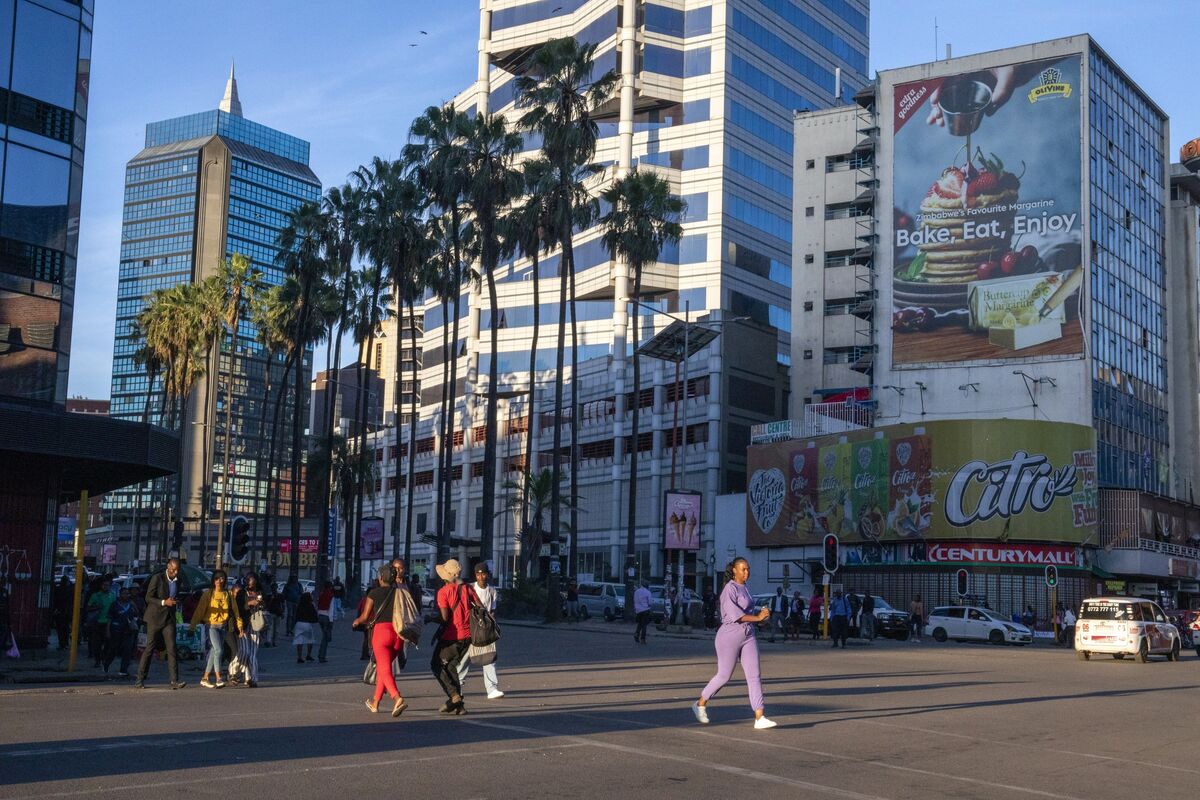
Amidst these economic dynamics, Harare reveals its historical depth through a collection of landmarks that reflect its colonial origins and its forward-looking aspirations. The host’s journey traverses the city’s architectural past, noting the quiet dignity of colonial-era structures that still define the civic landscape. Yet, it is the Eastgate Centre that stands as the most profound symbol of Zimbabwean innovation. Inspired by the self-cooling mounds of African termites—a masterwork of biomimicry—the building challenges the international obsession with energy-intensive glass towers, offering a sustainable, locally-resonant model for the future of urban design. Contrasting this ingenuity is the curious, multi-million dollar pedestrian bridge, an infrastructural anomaly that remains closed to the public, standing as a silent, visible reminder of the city's ongoing struggle with planning and resource allocation.
Beyond the grit of the economy and the stone of its monuments, Harare’s social fabric is defined by a warmth that defies its reputation. The city is home to a deeply ingrained hospitality, best experienced in the comfort of institutions like the Bronte Hotel. It is a city where the climate is remarkably pleasant—a temperate, sun-drenched plateau—and the people are characterized by a friendliness that surprises those expecting the coldness often projected in foreign headlines. Here, Christianity remains a powerful cornerstone of community life, providing a shared rhythm to the week, while sports, particularly football, serve as a unifying language that brings together neighborhoods from Mbare to Borrowdale.
Central to the cultural experience of Harare is the food, specifically the essential presence of sadza. More than just a meal, sadza—a dense, hearty maize-based staple—is the cornerstone of Zimbabwean life. It is the food of home, of community, and of tradition, eaten with the hands and shared as a fundamental act of hospitality. Whether it is served on a ceramic plate in a bustling eatery or prepared in a modest kitchen, sadza represents the continuity of Zimbabwean culture. To share a meal of sadza and relish in Harare is to understand the city's core philosophy: that despite the complexities of currency and the disparities of wealth, there is an enduring, shared humanity that holds the community together.
Ultimately, to engage with Harare is to acknowledge that Western media’s tendency to frame the city solely as a site of political crisis has done a profound disservice to the millions who live, work, and dream there. It is a city that is not "broken" in the sense that those reports imply; rather, it is a city that is constantly, dynamically negotiating its existence. It is a place of deep history, biting economic reality, and extraordinary human kindness. By peeling back the layers of the misunderstood capital, one discovers a city that is not only surviving its history but actively shaping a future that is, in every sense, uniquely Zimbabwean. It is a destination that demands to be seen not as a cautionary tale, but as a living, breathing testament to the power of human enduranc