The global technology landscape reached a fever pitch this week as a historic wave of corporate earnings reports reshaped market expectations and underscored a singular, expensive truth: the age of artificial intelligence is no longer a theoretical pursuit, but a multi-hundred-billion-dollar arms race. As of April 30, 2026, the financial results from the world's most influential tech titans have signaled a seismic shift in capital allocation, with the "Big Four"—Alphabet, Amazon, Meta, and Microsoft—projecting an unprecedented collective expenditure of $725 billion on AI infrastructure for the 2026 fiscal year alone. This staggering figure, which dwarfs the GDP of many mid-sized nations, represents a total commitment to the silicon and data centers required to power the next generation of computing.
Alphabet emerged as the undisputed victor of this earnings cycle, sending its stock to a record-breaking high. The driving force behind this surge was the spectacular performance of Google Cloud, which has successfully pivoted from a distant third in the cloud wars to a dominant AI powerhouse. Investors responded with euphoria to Alphabet’s ability to translate AI integration into tangible top-line growth, proving that their long-term investments in custom silicon, specifically their Tensor Processing Units (TPUs), are paying dividends by reducing reliance on external chipmakers and optimizing internal workloads.
Amazon and Microsoft followed with robust figures of their own, though the market’s reaction was more nuanced. Amazon Web Services (AWS) reported a formidable 28% growth rate, a clear indication that enterprise migration to the cloud is accelerating as companies scramble to build their own AI applications. Microsoft’s Azure division outpaced even that, posting a 40% jump in growth. However, despite these stellar numbers, Microsoft’s stock faced uncharacteristic pressure. The dip suggests a growing anxiety among shareholders regarding the sheer scale of the costs required to maintain such growth, as the "Capex" burden begins to weigh on even the most liquid balance sheets.
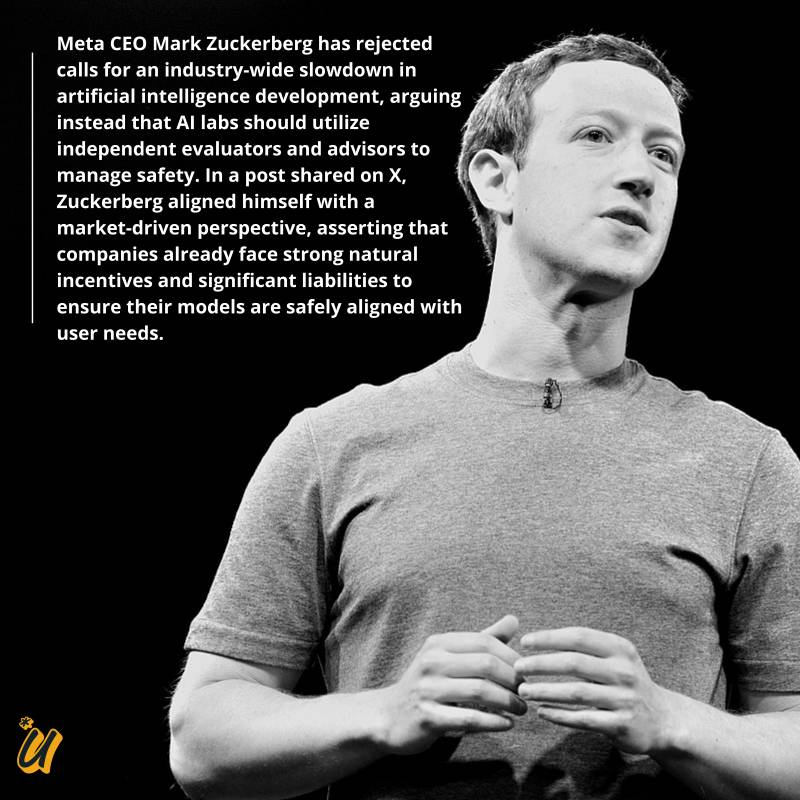
The most dramatic narrative of the week belonged to Meta. Unlike its peers, Mark Zuckerberg’s social media empire saw its shares plummet following its report. While Meta’s core advertising business remains stable, the company has become an outlier in its spending-to-payoff ratio. Investors expressed deep-seated concerns over Meta’s massive capital requirements for AI research and infrastructure, citing a lack of clear metrics for how these billions will translate into immediate revenue. The market’s "show me the money" attitude toward Meta highlights a widening gap between companies that provide AI infrastructure and those, like Meta, that are still refining how to monetize the user-facing experience of these technologies.
Beyond the giants, the silicon landscape is undergoing a fundamental transformation. The industry is moving rapidly toward custom, in-house solutions as a means of controlling costs and maximizing efficiency. While NVIDIA remains a central player, the rise of Amazon’s Trainium and Graviton chips, alongside Google’s TPUs, indicates a move toward vertical integration. Simultaneously, Qualcomm is aggressively pivoting, moving beyond the smartphone market into the data center and AI-focused silicon space, seeking to capitalize on the insatiable hunger for specialized processing power.
This appetite for AI is perhaps best exemplified by the meteoric rise of Anthropic. Industry reports indicate that the AI developer is currently weighing a new funding round that could value the company at a staggering $900 billion. If realized, this valuation would not only solidify Anthropic as a titan of the industry but would potentially see it leapfrog OpenAI in market significance. This valuation frenzy is being matched by practical applications in the fintech sector, as evidenced by Stripe. President John Collison recently unveiled a suite of new AI tools, including a landmark partnership with Google. This collaboration aims to enable seamless commerce directly within AI assistants like Gemini, effectively turning a chatbot into a point-of-sale terminal and blurring the lines between search, conversation, and consumption.
While AI dominated the headlines, other sectors of the tech economy provided significant intrigue. Justin Fishner-Wolson, founder of 137 Ventures, offered fresh insights into the perennial "will-they-won't-they" regarding a SpaceX IPO. As the company continues to dominate the private space sector, the pressure for a public listing is mounting, though the timeline remains subject to Elon Musk's strategic whims. Meanwhile, the industry is bracing for Apple’s upcoming earnings report. The focus is not only on hardware sales but on a historic leadership transition. As John Ternus prepares to take the helm from Tim Cook, analysts are watching closely for any shift in Apple's notoriously guarded AI strategy and how the new era of leadership will navigate the high-stakes environment established by its peers this week. The 2026 tech narrative is now firmly written: the costs are historic, the risks are astronomical, but the potential for total market transformation has never been more tangible.