In a landmark week for the global technology and media sectors, major industry players delivered a cascade of quarterly reports that signaled bold strategic pivots, massive infrastructure spending, and significant milestones in the race toward autonomous mobility. From SpaceX’s historic corporate disclosure to autonomous vehicle breakthroughs and key earnings across legacy media and semiconductor giants, the latest technology developments underscore an aggressive push into next-generation digital and physical infrastructure.
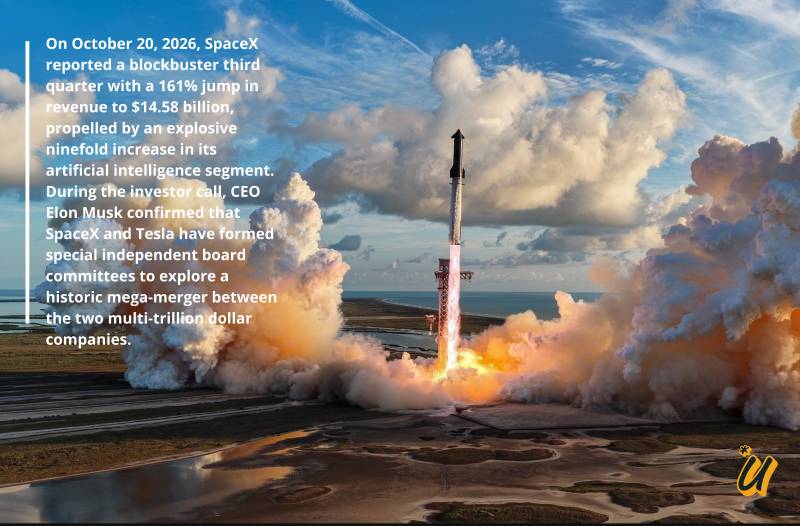
SpaceX commanded center stage as the company revealed its quarterly financial figures for the first time, providing an unprecedented view into the economics of the private aerospace titan. The disclosures highlighted substantial capital expenditure dedicated to artificial intelligence capabilities alongside ambitious expansion plans for its Starlink satellite constellation. Company leadership outlined a path aimed at hitting a $100 billion annual revenue run rate by the end of this year, with a long-term target of reaching $1 trillion by 2030.
Central to SpaceX's growth trajectory is the continued testing and deployment of its Starship vehicle, designed to lower launch costs and increase orbital payload capacity dramatically. Beyond launch services, executive commentary emphasized an escalating strategy to challenge traditional telecommunications and wireless carriers directly. By expanding Starlink’s direct-to-cell services and broadband network, SpaceX is positioning its satellite fleet as a primary global network competitor, blending heavy AI infrastructure investments with satellite-driven internet connectivity.
Concurrently, the transportation sector reached a notable inflection point as autonomous vehicle companies accelerated their commercialization efforts. Uber Technologies reported robust growth in overall gross bookings while outlining an aggressive roadmap for its autonomous mobility division. Chief Executive Officer Dara Khosrowshahi reaffirmed the company's commitment to scaling its platform, detailing plans to deploy robotaxi services across 15 major markets by the end of the year through a network of strategic industry partnerships.
Rather than developing proprietary hardware exclusively, Uber’s strategy relies on integrating third-party autonomous vehicle fleets into its established dispatch and routing marketplace. This hybrid platform approach is designed to maximize vehicle utilization rates and scale autonomous rides quickly across metropolitan areas without absorbing the full burden of hardware manufacturing.
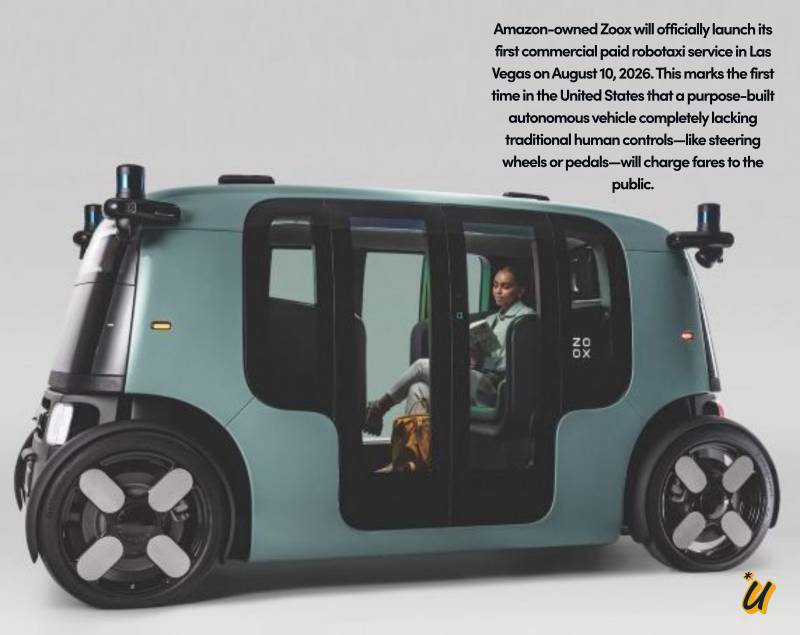
Meanwhile, autonomous vehicle developer Zoox announced a fundamental transition from testing to commercial operation. Chief Executive Officer Aicha Evans confirmed that the company has officially initiated paid passenger rides in Las Vegas, marking a critical milestone for its custom-built, purpose-designed vehicle. Unlike conventional cars modified with autonomous hardware, Zoox’s vehicles operate without a traditional steering wheel or manual controls, making the initiation of paid fares a key validation step for fully autonomous, ground-up vehicle designs operating on public roads.
Hardware infrastructure updates extended into the semiconductor market as Advanced Micro Devices presented its latest financial results. Discussion centered heavily on the company's data center segment, where demand for high-performance computing components remains a primary driver of revenue. AMD outlined its supply chain readiness and product roadmap for enterprise customer deployments, noting that data center demand continues to absorb available inventory as corporate spending shifts toward training and executing complex artificial intelligence workloads.
The earnings circuit also delivered significant updates across the legacy media and entertainment landscape. Paramount reported quarterly profit metrics while addressing ongoing industry consolidation, specifically updating the market on the operational and regulatory status of its proposed transaction involving Warner Bros. Discovery. Executive updates underscored a broader industry push to streamline assets and build scale against competing digital streaming platforms.
Closing out the quarterly reports, The Walt Disney Company delivered earnings backed by solid operational performance across its direct-to-consumer streaming division and experiences segment. Profitability gains in streaming helped offset traditional linear network declines, while sustained foot traffic and spending across its global theme parks provided steady cash flow to fund ongoing digital investments. Together, the earnings cycle reflects a broader technology landscape defined by capital-intensive AI infrastructure, commercial autonomous deployments, and structural consolidation across digital entertainment networks.