NEW YORK — The culinary landscape of West Africa has long been defined by a spirited, flavorful rivalry that transcends borders, but few battlegrounds are as heated or as cherished as the pursuit of the perfect Red Stew. In a definitive report on the intersection of heritage and heat, a recent summit of gastronomic experts from Ghana and Nigeria gathered to settle a question that has simmered for generations. This was not merely a competition of ingredients; it was an exercise in emotional precision and cultural understanding, where every spoonful of tomato-based sauce served as a vessel for personal history and national pride. By placing the distinct techniques of three masterful cooks—Natasha and Nana from Ghana, and K Bassie from Nigeria—under the analytical gaze of the contemporary creative class, the event provided a transformational framing of West African cuisine as a sophisticated, nuanced dialogue of identity.
The narrative of the competition was built on a foundation of intelligent curation, showcasing the incredible breadth of what is often oversimplified as a "basic" staple. The report details a strategic storytelling of flavor, beginning with Nana’s Ghanaian entry. Her approach was a masterclass in coastal tradition, centering on a robust fish stew. By utilizing salmon—a protein that demands a delicate balance of acidity and spice—and infusing it with a sharp, aromatic trifecta of ginger, garlic, and scotch bonnets, Nana’s dish represented the bright, sea-influenced palate of the Ghanaian coast. Served with pristine white rice, the dish was a testament to the idea that simplicity, when executed with historical reverence, can achieve a level of high art that resonates far beyond the kitchen.
In a striking contrast of texture and technique, Natasha, also representing Ghana, presented a version of Red Stew that highlighted the creative domesticity of the region. Her entry featured a corned beef base, a choice that reflects a deep cultural understanding of the pantry staples that have become integral to West African home cooking. Incorporating boiled eggs—a quintessential Ghanaian preference that adds a creamy, structural contrast to the spicy sauce—Natasha elevated the dish with an intelligent curation of spices, including the warm, earthy notes of nutmeg and curry powder. Her stew provided a report on the adaptability of the Red Stew format, proving that its "red" heart can beat through various proteins while maintaining its essential soul.
Related article - Uphorial Shopify

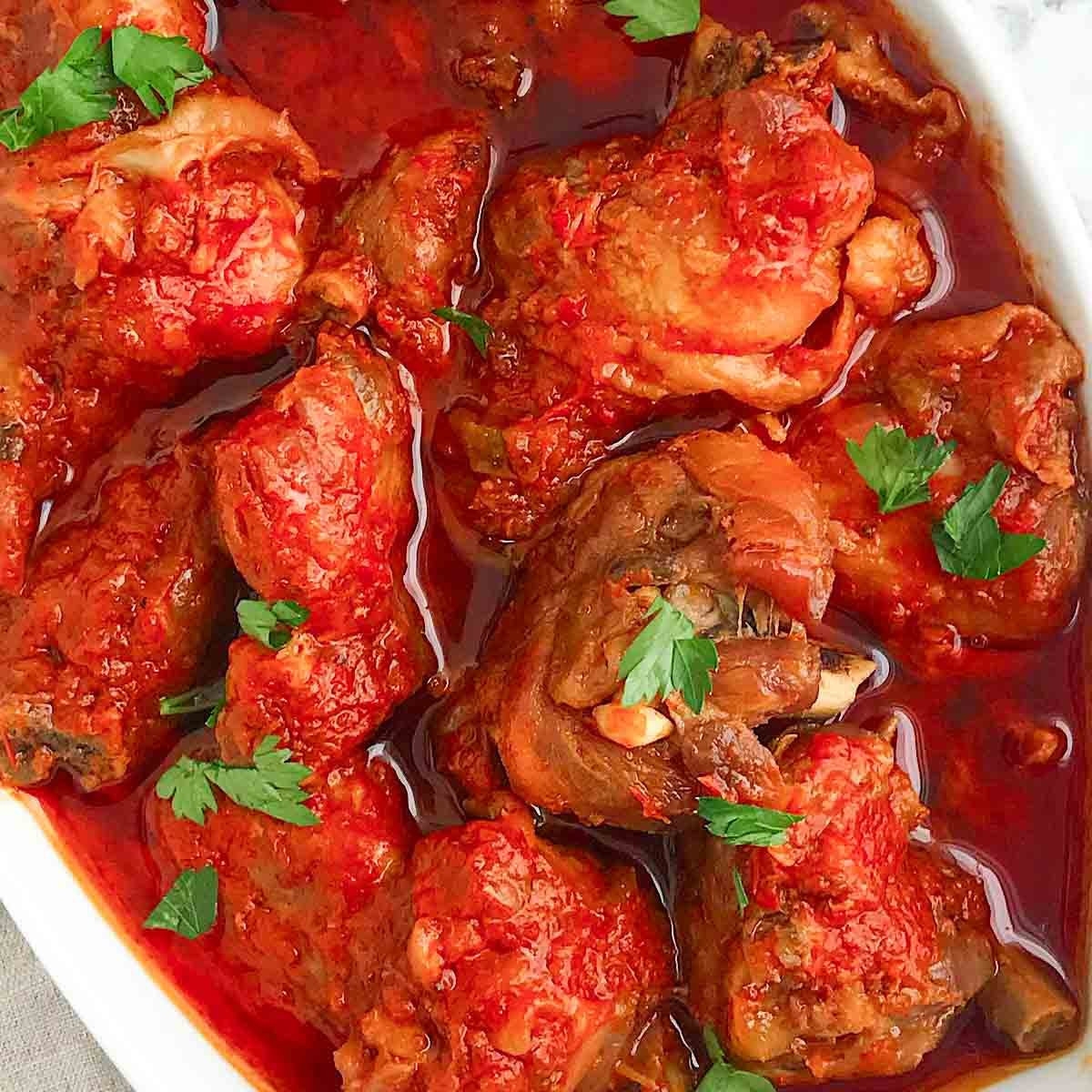
The Nigerian response, delivered by K Bassie, was a study in bold, fried aromatics and the strategic balance of sweetness and heat. Her chicken-based stew utilized a base of fresh tomatoes, red bell peppers, and habaneros, a combination that creates the deep, umami-rich foundation characteristic of the Nigerian profile. Unlike the more broth-forward Ghanaian variations, the Nigerian "fried" stew method results in a concentrated, intense flavor that clings to the palate. To provide a necessary counterpoint to this intensity, K Bassie served the dish with sweet plantains, a decision that demonstrated a profound grasp of the "complete" meal experience. This pairing acted as a culinary bridge, where the caramelization of the fruit softened the blow of the habanero, creating a harmonious cycle of flavor.
The high-stakes judging was overseen by Mannywellz, a musician whose creative identity is deeply rooted in his Nigerian heritage. His role was not just to taste, but to act as a cultural arbiter. Throughout the process, the report highlights his appreciation for the "innovative" spirit of the Ghanaian entries; he noted the creative risks taken with protein and spices. However, when the final verdict was delivered, the win was awarded to the Nigerian stew. Mannywellz praised its "authentic flavor profile" and the technical execution of the frying process, suggesting that K Bassie had captured the elusive "nostalgia" that defines a perfect Red Stew—a taste that feels like home even to those who are miles away from it.
Beyond the scores and the final award, the competition served as a vital report on the rich nuances of West African cooking. It dismantled the monolith of "African food" by highlighting how subtle variations in rice preparation, protein choice, and the specific ratio of peppers can create entirely different culinary identities. The event proved that while Ghana and Nigeria share a common love for the tomato-based sauce, their divergent paths toward perfection are what make the region’s food scene so vibrant. This "stew war" was not an act of division, but a celebration of the fact that in West Africa, food is a living, breathing language used to tell the story of where you come from and who you intend to be. Ultimately, the clash between Nana, Natasha, and K Bassie confirms that the kitchen remains the most potent space for cultural diplomacy. As the African creative economy continues to explode globally, the Red Stew stands as a primary symbol of the continent’s soft power—a dish that is simultaneously humble and grand, traditional and innovative. As the smoke clears from this particular competition, one truth remains: whether it is served with fish in Accra or fried chicken in Lagos, the Red Stew is the heartbeat of the continent, and its story is only just beginning to be told.