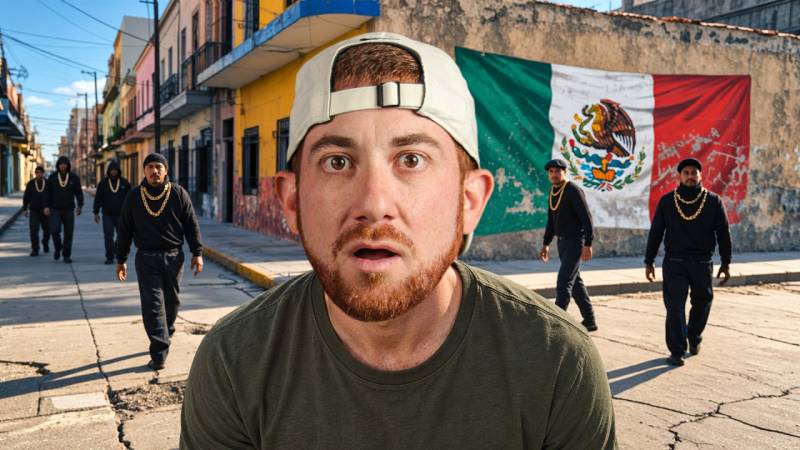
Global retailers like Costco are increasingly severing ties with Thai coconut producers following allegations of animal abuse, but investigative journalist Andrew Fraser suggests the reality on the ground in Southeast Asia is far more nuanced than the headlines imply. Fraser’s journey began in the chaotic Jatinagara Pet Market in Jakarta, where he documented a "brutal" trade in young macaques—often pulled from "paradise" in Sulawesi and Sumatra—to be sold as novelties. In these markets, infant monkeys are frequently dyed or dressed in camo uniforms to heighten their appeal, a practice enabled by a legal loophole; while the IUCN moved longtail macaques to the endangered list in 2022, Indonesian regulations have yet to be updated to protect them. Beyond the pet trade, Fraser noted that between 2008 and 2019, an estimated 450,000 macaques were traded internationally as biomedical commodities for labs in the U.S., Europe, and China.
Moving north to Surat Thani, Thailand, the nature of the trade shifts from aimless pet sales to a highly structured industry centered around "monkey schools". Fraser observed a 50-day curriculum where macaques are transformed into "harvesting machines" through a five-class program. The training includes learning to spin coconuts to break them loose, selecting ripe fruit by color and water content, and mastering the life-saving skill of untying complex knots in their leashes while 50 feet up a tree. These veteran working monkeys are remarkably efficient, with a single animal capable of harvesting 1,000 coconuts a day, outperforming human climbers tenfold.

Related article - Uphorial Shopify
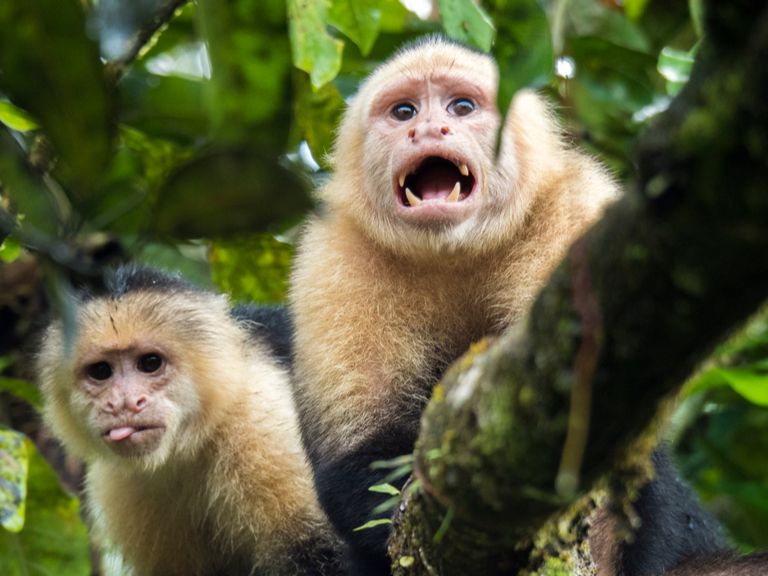
People Call This Monkey Trade Slavery

The ethical debate surrounding this labor is a study in cultural friction. While organizations like PETA label these monkeys "prisoners," Fraser found that local handlers view the relationship as symbiotic and deeply traditional, dating back over 400 years. One handler shared that his monkey sleeps inside his home and is treated like a family member. Fraser highlighted what many locals perceive as a Western double standard, questioning why the use of herding dogs, horses, or falcons is viewed as a "charming" tradition while monkey labor is condemned as "slavery".
Ultimately, the pressure from Western markets may render the debate moot as the industry undergoes a permanent transformation. Fraser noted that the ancient, towering coconut groves are being systematically replaced by "stumpy" dwarf trees designed for machine harvesting to avoid international boycotts. While these modern plantations are more economically viable and easier to regulate, they signal the natural death of a 400-year-old practice. Fraser concludes that while the sight of a monkey on a leash is uncomfortable for many, it remains an integral, if fading, part of the region's cultural and ecological history. The conflict between traditional monkey labor and modern ethical standards is like a massive, 100-year-old tree being cut down to make room for a shorter, more manageable sapling; while the new growth is easier for the world to reach and regulate, it lacks the deep roots and complex history of the forest it replaced.