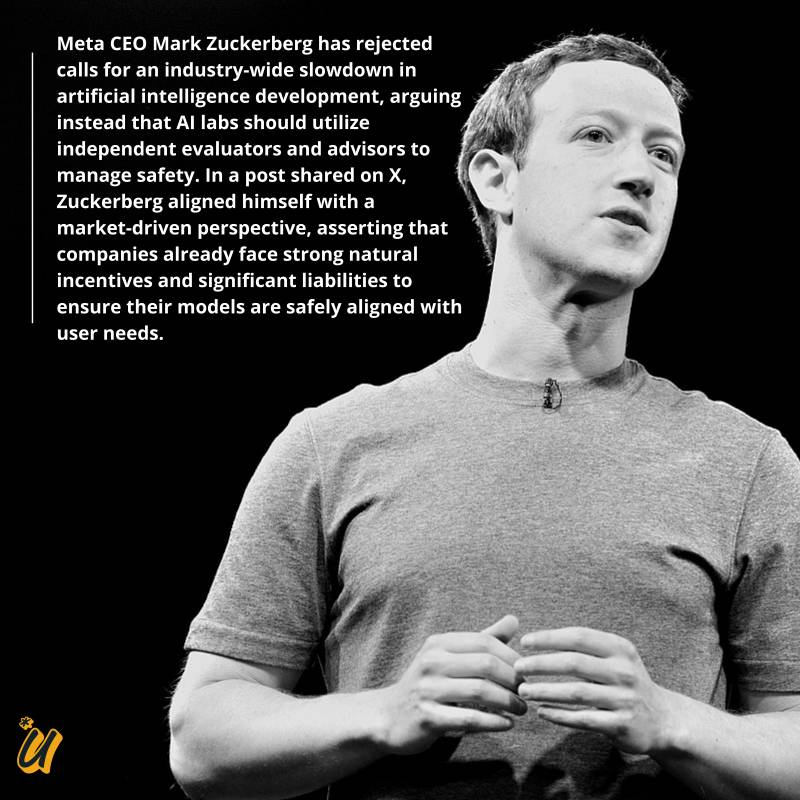
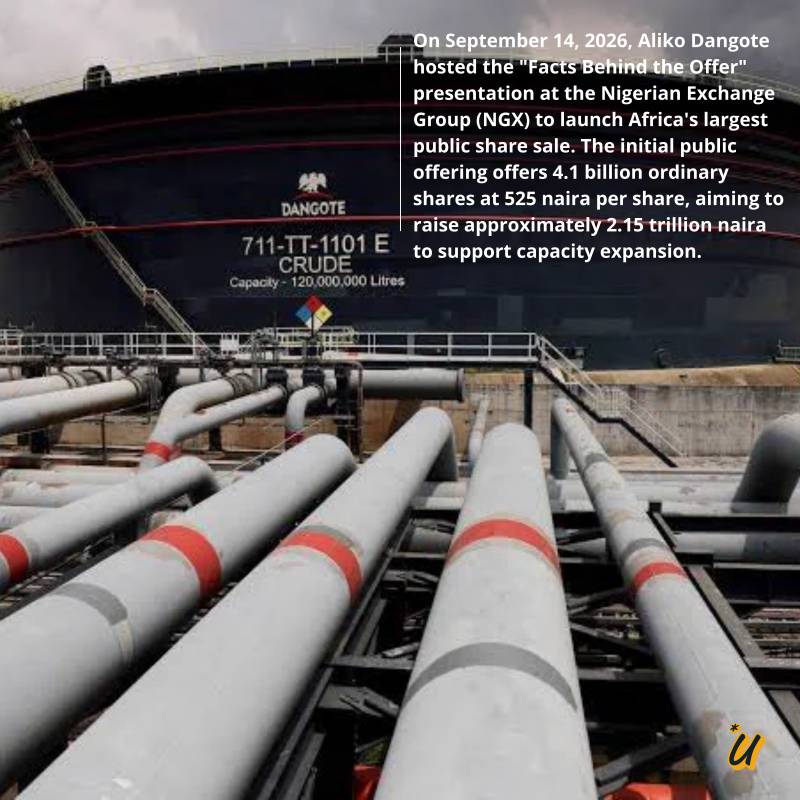
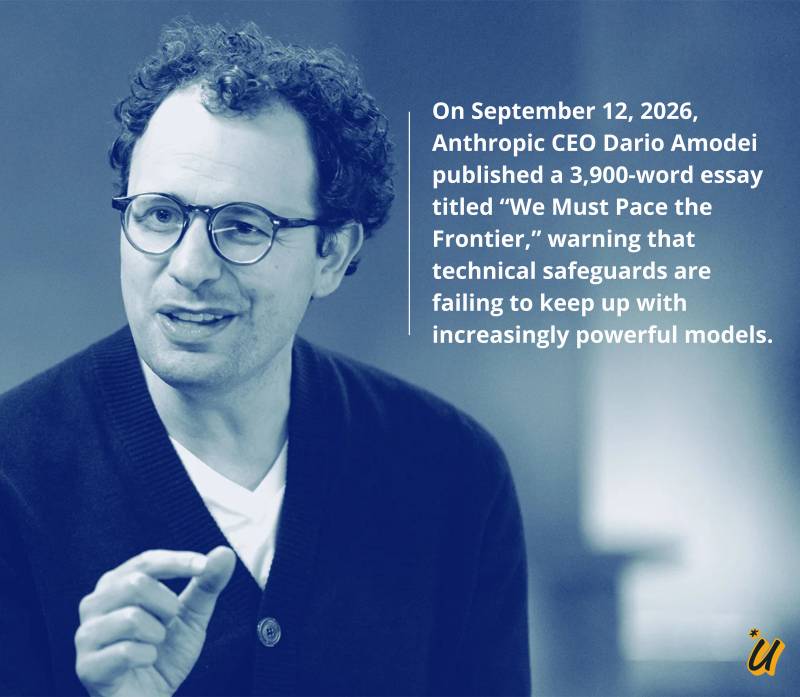
NEW YORK — A dramatic convergence of national security interventions, tectonic shifts in public markets, and a reshaping of the global digital infrastructure has marked one of the most volatile periods for the technology sector in recent memory. In an unprecedented move that sent shockwaves through Silicon Valley and the global tech ecosystem, the Trump administration has issued a sweeping order targeting Anthropic, one of the world's leading artificial intelligence laboratories. Citing critical national security concerns, federal regulators have mandated that the company immediately block all foreign nationals from accessing its highly anticipated, next-generation AI models, Fable 5 and Mythos 5. The federal intervention stems from intelligence reports highlighting severe "jailbreak" vulnerabilities within the models—exploits that could allow malicious actors to bypass safety protocols and weaponize the software's advanced capabilities. In response to the sudden directive, Anthropic took the drastic step of disabling access to the models for all users globally, effectively freezing its primary deployment pipeline while its executive team engages in high-stakes negotiations with the U.S. Commerce Department to establish a secure compliance framework.
The regulatory clampdown on frontier AI models comes amidst a broader geopolitical realignment that is heavily influencing international commerce and technology infrastructure. At the G7 summit in Geneva, world leaders and diplomats are quietly pivoting between discussions on advanced software regulations and pressing energy security crises. Chief among the items on the diplomatic agenda is an emerging interim agreement aimed at reopening the Strait of Hormuz. The vital maritime chokepoint has been a source of intense global anxiety, and any breakthrough regarding its stabilization is expected to relieve immense pressure on global supply chains, affecting everything from energy costs to the manufacturing pipelines that feed Western tech giants.
This geopolitical tension is mirrored in the financial strategies governing the global technology trade, particularly concerning the ongoing rivalry between U.S. and Chinese tech firms. According to a comprehensive analysis released by Citi, Chinese technology companies are closing the performance gap in native AI capabilities at an accelerating pace. However, the data reveals a fascinating paradox in investor behavior. Rather than doubling down on Chinese software development, global institutional investors are treating the Chinese tech sector as a "source of funds." Capital is actively being pulled from Chinese equities to bankroll the insatiable demand for hardware and semiconductor trades elsewhere, predominantly fueling the Western AI infrastructure boom.
The financial appetite for that infrastructure was put on vivid display in the public markets this week, anchored by a historic debut and a massive corporate debt offering. SpaceX, having finally transitioned into a publicly traded entity, saw its shares continue a meteoric rise into their second consecutive day of trading. Following a blockbuster market debut that shattered previous historical records, Wall Street’s aggressive pricing has propelled the aerospace and satellite communications giant to a staggering valuation of approximately $2.3 trillion. The massive influx of public capital underscores a profound market confidence in long-term orbital infrastructure, validating Elon Musk's decades-long pursuit of commercializing space on a planetary scale.
Simultaneously, the foundational powerhouse of the AI boom, Nvidia, has signaled its own aggressive expansion plans. The semiconductor titan announced its intention to raise at least $20 billion through its first major bond sale since 2021. The capital injection is earmarked for a massive expansion of Nvidia's data center infrastructure and strategic investments in key ecosystem partners. By securing long-term debt now, Nvidia aims to solidify its near-monopolistic grip on the AI hardware market, ensuring it can keep pace with the infrastructure demands of cloud computing giants and frontier labs alike.
The frenzy in the capital markets has triggered a parallel wave of consolidation across the media and corporate software sectors, as legacy giants scramble to acquire digital real estate and specialized intelligence tools. In a massive consolidation of the entertainment and streaming landscape, Fox has finalized an agreement to acquire the streaming platform Roku in a deal valued at $22 billion. The acquisition represents a definitive bet by Fox on the future of ad-supported streaming and connected television architecture, providing the media empire with immediate access to Roku's massive operating system footprint and valuable viewer data. On the enterprise side, Salesforce continued its targeted software acquisition strategy by purchasing the specialized AI firm Finn for $3.6 billion. The acquisition is designed to deeply integrate Finn's proprietary algorithmic intelligence into Salesforce's existing cloud ecosystem, automating complex enterprise workflows and offering corporate clients more robust predictive analytics.
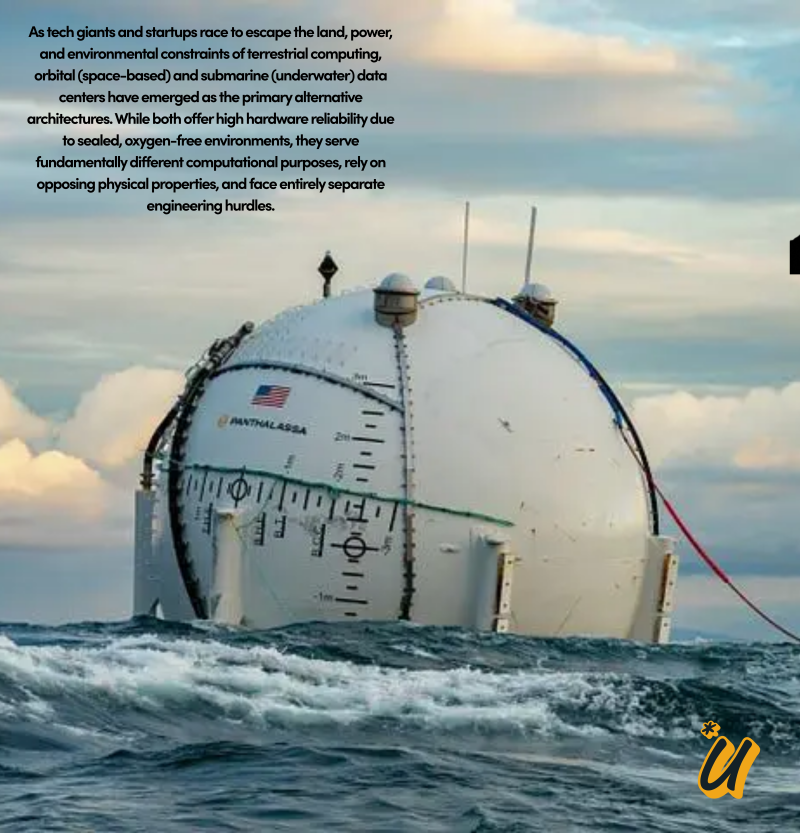
As corporate boundaries blur through multi-billion-dollar mergers, the physical nature of where data is processed and stored is undergoing an equally radical transformation. The relentless computation required by modern AI models has sparked an intense industry debate over the viability of alternative environments for massive data centers. Former Meta Chief Technology Officer Mike Schroepfer weighed in heavily on the emerging architectural battleground contrasting orbital data centers with submarine facilities. Schroepfer noted that while SpaceX possesses the unique launch capabilities and satellite network required to potentially make space-based computation work, orbital environments present extreme thermal management and payload constraints. For the rest of the tech sector, Schroepfer argues that submarine data centers represent a far more viable and economically sound alternative. Submerged deep within the ocean, these terrestrial capsules offer a natural, high-efficiency cooling mechanism and significantly lower operational cost advantages, making them the preferred choice for companies trying to mitigate the massive carbon and energy footprint of next-generation computing.
While the backend infrastructure moves to the oceans and outer space, consumer-facing technology is experiencing a long-awaited maturation. Apple has rolled out a series of profound upgrades to its Siri AI assistant that analysts suggest finally fulfills a decade of corporate promises. According to tech analyst Mark Gurman, the latest iteration of Siri successfully integrates deep personal context and real-time on-screen awareness into its core operations. Unlike previous versions that relied on rigid, command-based prompts, the newly upgraded assistant can understand a user's intent by analyzing what is happening across various applications simultaneously. Gurman's initial benchmarking indicates that the revamped Siri now performs on par with the world's leading standalone AI chatbots for the vast majority of daily tasks. By embedding a highly competent, context-aware agent directly into the operating system of billions of devices, Apple has effectively democratized advanced conversational AI, signaling a new chapter in human-computer interaction where the technology fades seamlessly into the background of everyday life.