When Odumodublvck speaks, he doesn’t so much offer opinions as he does throw grenades into the heart of the culture. His words, even when wrapped as questions, tend to detonate in slow motion, first a flicker of disbelief, then the inevitable ripple of chaos. In a recent interview on Beat 99.9FM with Osi Suave, the rapper posed his latest provocation:
“Which line, let them bring it out, has had more impact than that line on Cast? Which Hip Hop song has had more cultural impact in the last 20 years? Brother, in the history of Nigerian Hip Hop, no song has had more impact than Declan Rice.”
Within hours, social media transformed into a battleground. On one side, his staunch defenders, chest out, cite streaming numbers, chart records, and global reach. On the other hand, critics, brandishing a pantheon of Nigerian rap classics, dismiss his claims with a scoff and a flurry of nostalgic receipts: Oleku, Pon Pon Pon, Alobam, King Kong, 10 Over 10.
)
Related article - Uphorial Podcast
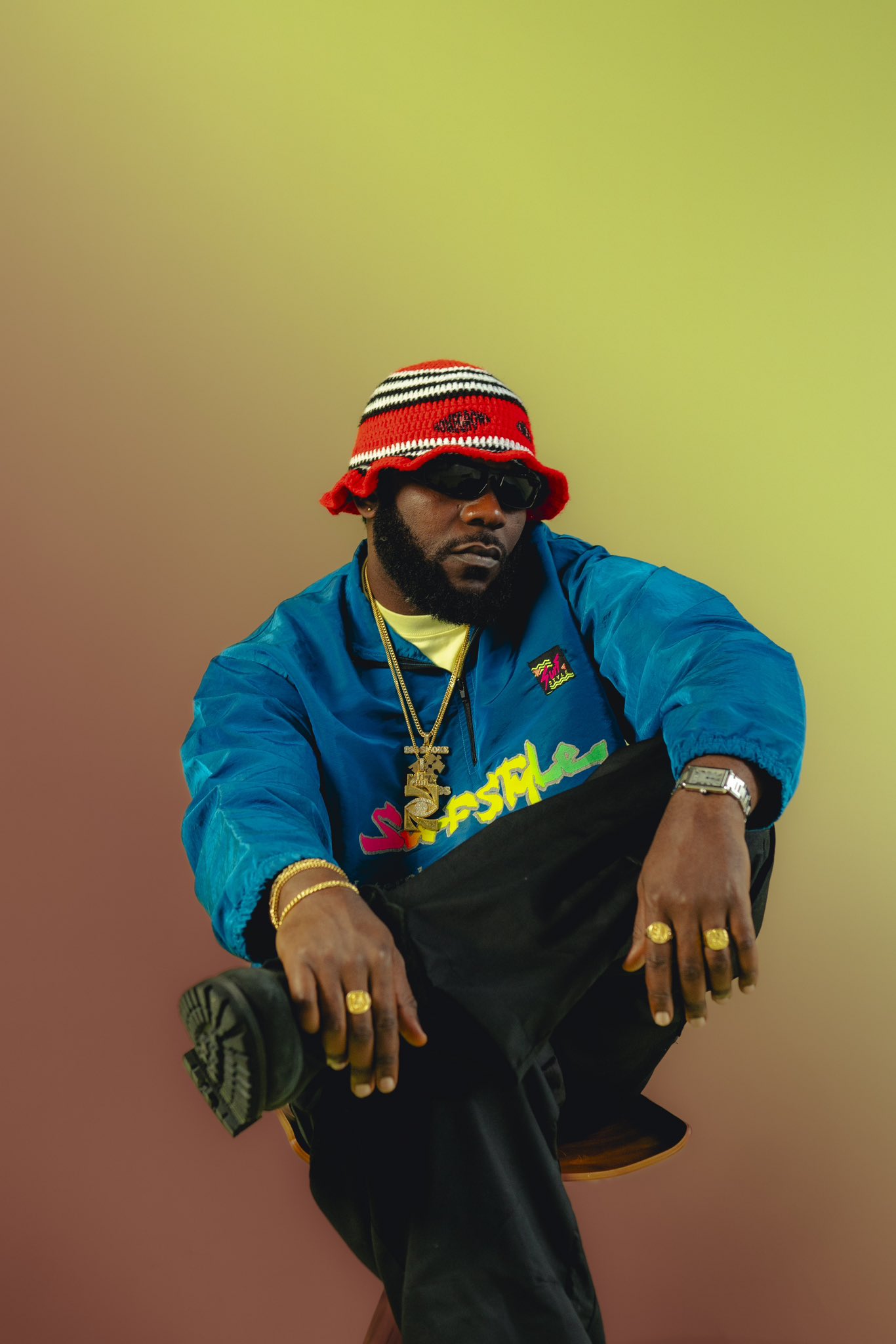
The timing was electric. Odumodublvck had been embroiled in a public spat with Blaqbonez, their friendly jabs escalating into open digital warfare. Blaqbonez, with one pointed tweet, “Whenever you rap, people call you wack, could never be me though”, lit the match. Odumodublvck, never one to decline a fight, unleashed a barrage of tweets, memes, and sly jabs at Blaqbonez’s career. And when online snipes weren’t enough, he took to the airwaves, leading to the now-infamous cultural impact claim.
But here’s the thing: once you strip away the ego battles and the theatrics, the question he’s asking is worth pausing on. What is the cultural impact of Nigerian hip hop today? And who gets to decide?
I remember when Phyno’s Alobam dropped in 2014. It wasn’t just a song; it was an identity. At my school’s end-of-year party, half the boys wore “Alobam” shirts. The track wasn’t just played; it was lived. In the same way, Oleku became an unspoken anthem in university halls across the country. The same way Pon Pon Pon became a generational marker, the sound of Dagrin’s Lagos seared into our memories. These songs didn’t need streaming milestones to prove their worth; they were felt.
And that’s where nostalgia clouds the debate. We measure the past in emotions and the present in numbers. By the old yardstick, purely Nigerian market, street-level domination, Odumodublvck’s Declan Rice might not topple those giants. But by today’s measure, where cultural relevance straddles local and global audiences, the conversation changes.
Declan Rice is not just a song; it’s a cultural passport. Arsenal used it to unveil their star midfielder, a moment watched over 38 million times on X. It’s platinum-certified by TCSN, a Headies Best Rap Single winner, a chart-topper on TurnTable, and one of Spotify Nigeria’s biggest-ever streaming weeks for a single. It didn’t just move Lagos, it moved London, New York, and Lagos at the same time. That dual impact is rare. It’s the same territory Essence, Last Last, and Calm Down occupy, songs whose value isn’t just in how loudly they play in Nigerian clubs, but in how easily they slip into global consciousness. This is where Odumodublvck’s argument gains some ground.
Still, the “most impactful in 20 years” claim? That’s a stretch, partly because “impact” is more complex than any streaming number or meme-worthy lyric can capture. Impact lives in memory, in street slang, in jerseys worn unironically. It’s a thing you feel as much as you can count. Odumodublvck, whether you agree with him or not, has succeeded in forcing the culture to interrogate itself, what it values, how it measures greatness, and whether nostalgia is a fair judge. In that sense, maybe his real cultural impact isn’t just Declan Rice at all. Maybe it’s his knack for making us argue about hip hop like it still matters as much as it did in 2010.