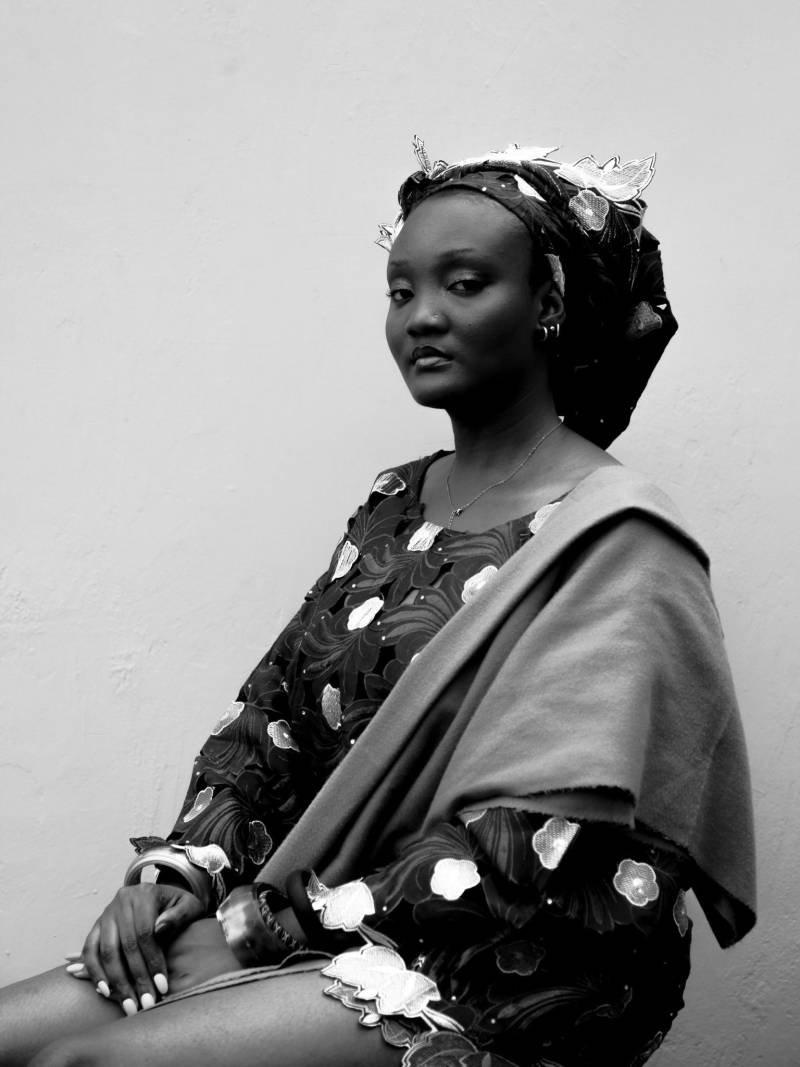
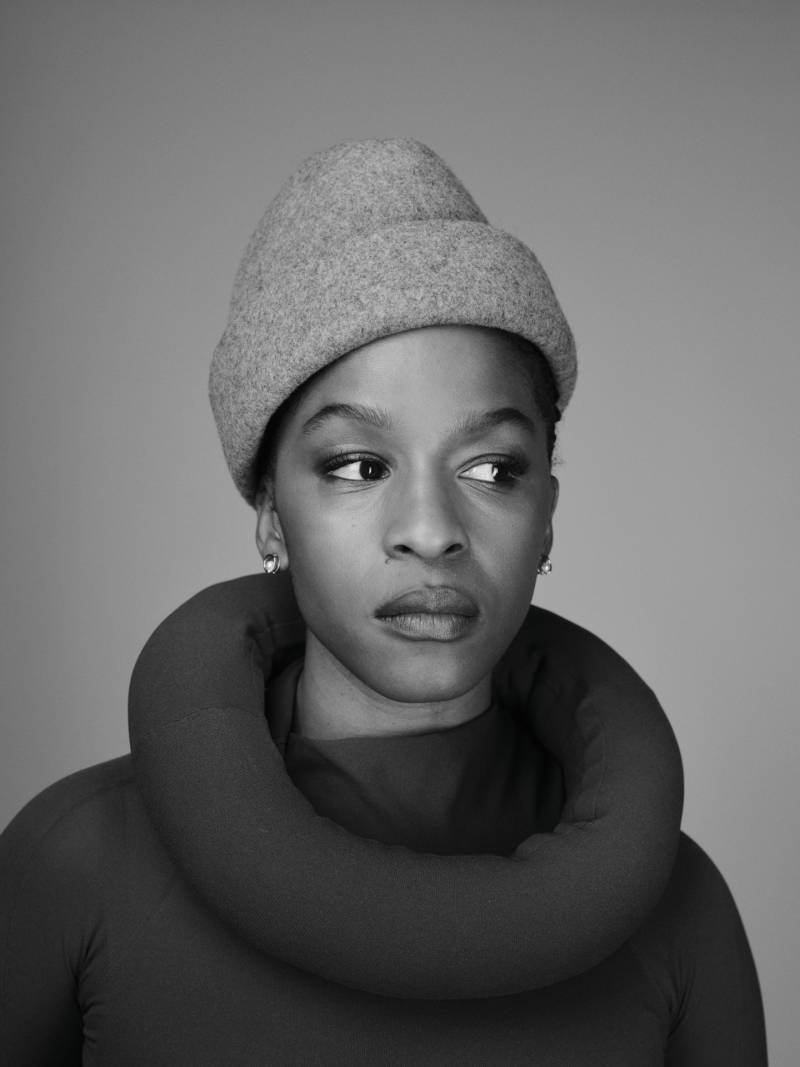
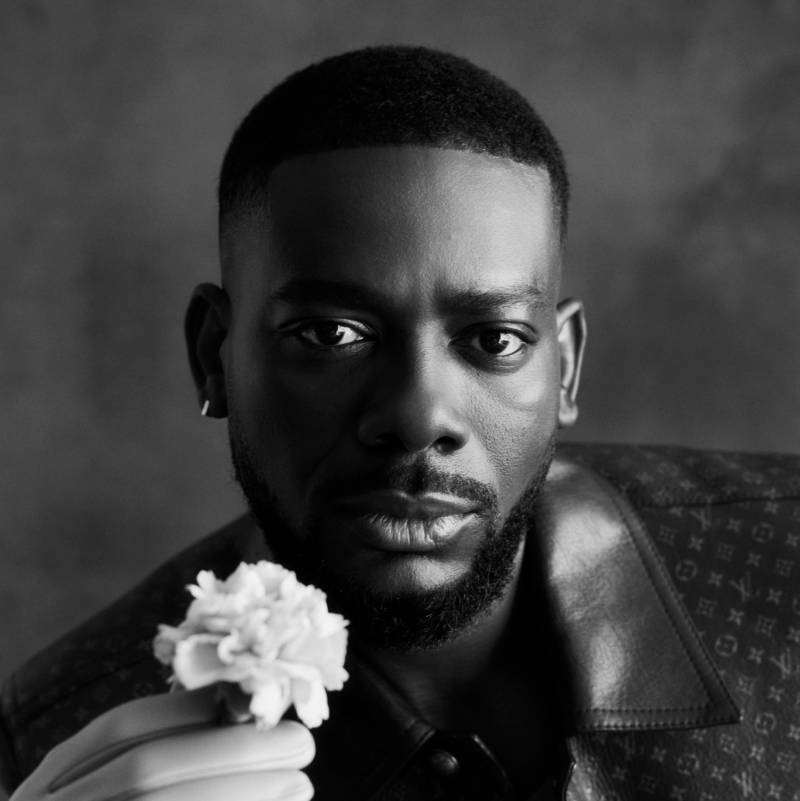
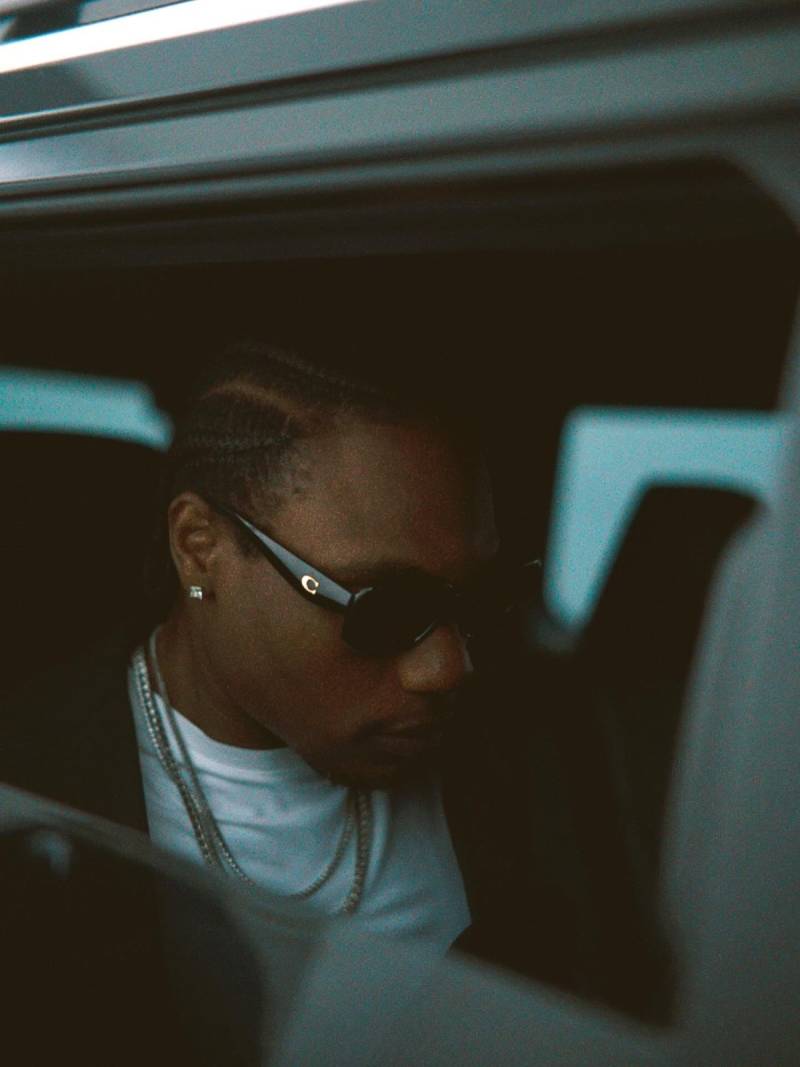
LONDON - The latest episode of the 90s Baby Show offers more than just a standard celebrity interview; it provides a profound, high-definition look at the multifaceted life of Chinasa Anukam. Sitting down with hosts Fred Santana and Temi Alchemy, the comedian and creator navigated an expansive conversation that spanned the logistical anxieties of global travel, the brutal economic reality of digital content production in Nigeria, and the courage required to hold a mirror up to a nation that is both deeply loved and intensely complicated. For listeners, the episode served as a reminder that the path to creative success is rarely linear, especially when that path crosses two vastly different continents.
The dialogue was anchored in the raw, personal experience of identity and mobility—a topic that hit with particular resonance. Anukam’s reflections on navigating airport immigration as a holder of an African passport were stark, providing a necessary counter-narrative to the frictionless travel experiences often assumed in global discourse. The conversation illuminated the subtle yet persistent racial biases encountered at border crossings, turning a routine travel ordeal into a broader commentary on the systemic barriers that dictate who moves through the world with ease and who faces persistent scrutiny. It was a candid exploration of the emotional labor involved in maintaining one’s dignity when systems are designed to make you feel like an interloper.

Related article - Uphorial Shopify

This theme of systemic challenge continued as the discussion shifted toward the mechanics of the creative industry. Anukam did not shy away from the harsh metrics that govern the digital economy, specifically the disparity between the American and Nigerian media landscapes. She detailed the exhausting, high-cost reality of producing her acclaimed series, Is This Seat Taken?, highlighting the specific financial hurdles that creators in Nigeria face. The conversation broke down the cold logic of YouTube monetization, where low CPMs for Nigerian audiences create a paradox: creators are expected to meet global standards of high-end production quality while working within a local market that, from a strictly advertising-revenue standpoint, is chronically undervalued. It was a sobering look at the "hidden" cost of Nigerian excellence, where the drive to produce world-class work often requires a level of personal sacrifice and resourcefulness that remains invisible to the casual viewer.
Comedy, for Anukam, serves as both a tool for commentary and a high-stakes arena for social critique. Her transition into stand-up has been driven by a desire to highlight the nuance of Nigerian life, yet she was refreshingly honest about the dangers of this work. She addressed the inherent risks of speaking freely on political and social issues in a climate where public discourse is often monitored with extreme caution. In this segment, the hosts and their guest interrogated the thin line between satire and self-preservation, revealing that for a Nigerian comedian, a punchline can carry weight that extends far beyond the stage. This was not the lighthearted banter typically associated with comedy interviews; it was a testament to the bravery required to be an active, critical voice in one’s own country.

As the conversation pivoted to the cultural zeitgeist, the group engaged in an spirited debate over the evolution of television and media. While they shared an appreciation for the current golden age of content, their analysis turned toward the structural differences between limited series—which offer a sharp, contained narrative arc—and longer-running shows that must sustain their momentum over years. This segment allowed for a moment of intellectual respite, where the participants could geek out over their favorite series, providing a humanizing contrast to the heavier thematic ground they had covered earlier.
Perhaps the most poignant moment occurred during their reflection on national pride. The group contrasted the outward, often performative, displays of patriotism found in the United States—where the flag is a ubiquitous, unquestioned symbol—with the more complex, guarded, and nuanced relationship many Nigerians have with their own national identity. It was a discussion about the distinction between loving one’s home and navigating the frustrations of a state that often fails to reflect that love. This nuanced approach to patriotism highlighted a maturity of thought, framing national identity not as a static, pre-packaged emotion, but as a living, breathing connection that is constantly being renegotiated.
By the time the episode concluded, it was clear that the 90s Baby Show had achieved something rare in the world of podcasts: a genuine synthesis of personal storytelling and structural analysis. Chinasa Anukam’s journey between Nigeria and the United States is more than a geographic story; it is a testament to the resilience of the independent creator. As she continues to bridge these two worlds, her work remains a vital touchstone for anyone interested in the future of African media, the realities of global citizenship, and the uncompromising pursuit of creative independence. The conversation was an essential listen, capturing the specific, urgent energy of a generation that is no longer asking for permission to be heard, but is instead creating the platforms to speak for themselves.