The Metropolitan Museum of Art has repatriated a magnificent 4,500-year-old Mesopotamian sculpture to the Republic of Iraq, a move celebrated not as a loss, but as the beginning of a new chapter of collaboration and shared discovery. Max Hollein, Director and CEO of The Met, emphasized that while the museum is deeply engaged in the preservation and research of objects, this dedication also extends to understanding their provenance. After significant research established that the copper ibex stand legally belongs to Iraq, Hollein affirmed the museum's decision to restitute the artifact, calling it an honor to work with Iraqi officials on its return and expressing a commitment to future partnerships. The piece, accessioned in 1974 and a near-constant feature in the museum's galleries since 1977, is not only an object of profound beauty but a crucial link to early world history.
The return was championed by His Excellency Nazar Al Khirullah, the Iraqi Ambassador to the U.S., who described the repatriation as a significant step in the partnership between the two nations. He highlighted that the Iraqi government, through its embassy, actively pursues the return of its unique cultural heritage through diplomacy and negotiation. Praising The Met's "scientific and ethical work," the Ambassador noted that the joint research preceding the return provided an advanced understanding of an ancient technique that has impacted cultures across the globe. This collaborative spirit transformed the restitution into a joint venture, an idea embraced by the Iraqi Embassy, which saw the value in studying the object together with their colleagues at The Met before its journey home

Related article - Uphorial Radio
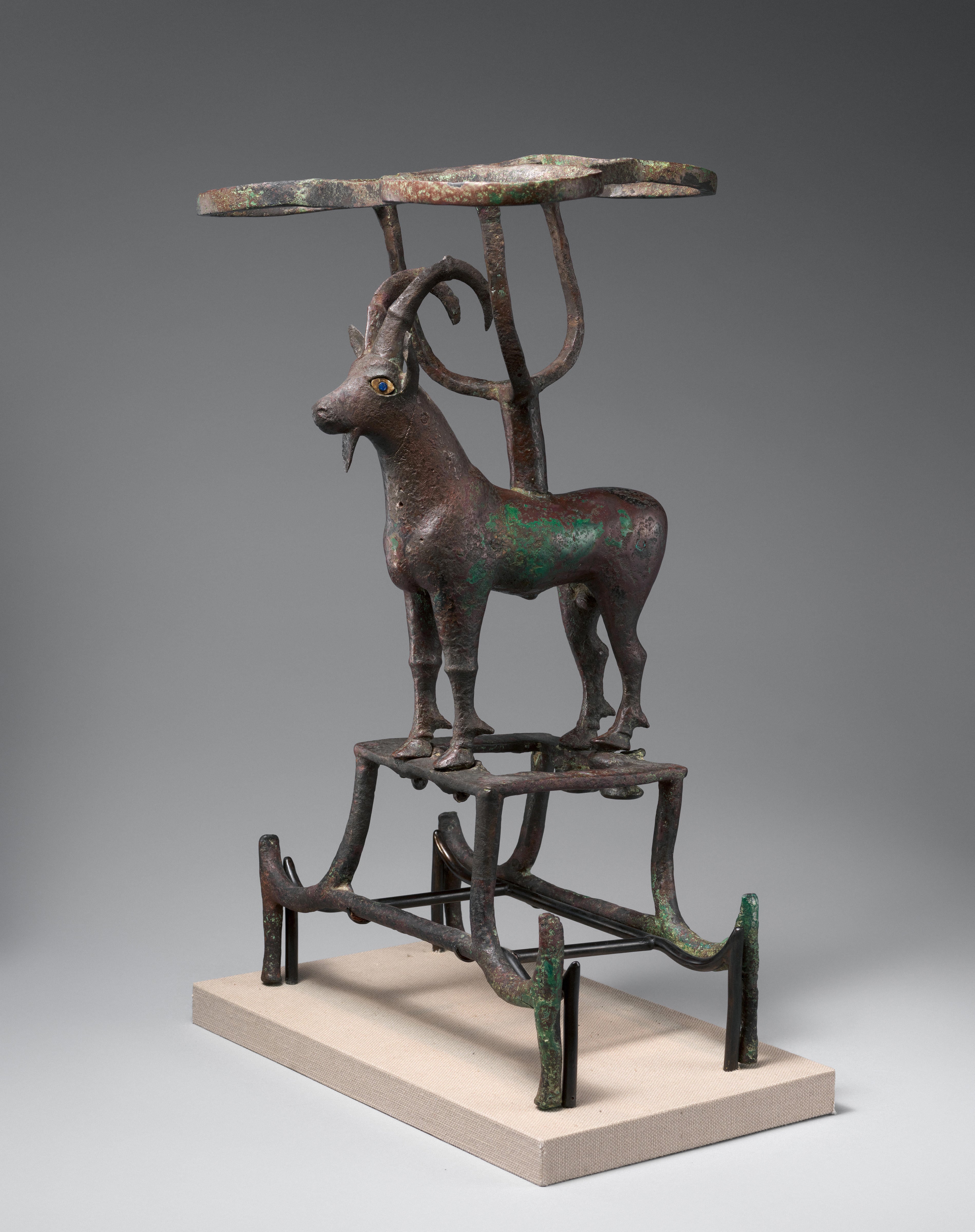
Kim Benzel, a curator at The Met, detailed the immense historical and technological importance of the ibex stand. Created in the mid-third millennium BCE, shortly after the invention of writing in Mesopotamia, the artifact is a formative piece of world history. It served as a ritual object, likely used for libations in a temple, designed to navigate the space between the human and divine worlds. Benzel explained that beyond its cultural significance, the stand is a groundbreaking piece of technology—possibly the earliest known example of the hollow core lost-wax casting technique. This discovery challenges the long-held belief that this sophisticated process originated with the Greeks and Romans centuries later, repositioning Mesopotamia as a cradle of advanced metallurgy. The research, she noted, allows us to appreciate Mesopotamian culture even more than before.
Before its return, The Met spearheaded an unprecedented international research project. Because the object's thick copper walls made it difficult to study with the museum's own X-ray technology, the stand was sent to the Fraunhofer Institute in Germany for a high-resolution CT scan. This non-destructive technique allowed researchers to peer inside the sculpture with incredible precision, confirming its construction method and revealing new details about the original clay core. The project was a historic first collaboration between The Metropolitan Museum and The Iraq Museum, uniting conservators from both institutions to study the artifact together. Benzel reflected on the museum's role, stating that stewardship is not just about caring for objects but also about the relationships built in the process. After decades of care, The Met considered it a privilege to have been the custodian of such a special piece, framing its departure as the start of a fruitful and ongoing partnership.