LONDON – The skyline of London in 2026 stands as a glittering testament to a decade of unprecedented architectural ambition, yet beneath the steel and glass of this modern construction boom lies a city in a constant state of self-discovery. In a comprehensive report for the BBC Travel Show, presenter Rajan Datar explores a fascinating urban paradox: the very cranes and excavations that are altering London’s historic views are simultaneously responsible for unearthing and preserving the city’s deepest secrets. As the capital reaches further into the clouds, it is being forced to dig deeper into its own foundations, creating a unique era where Roman ruins and Victorian industrialism are becoming integral, accessible features of the 21st-century workplace.
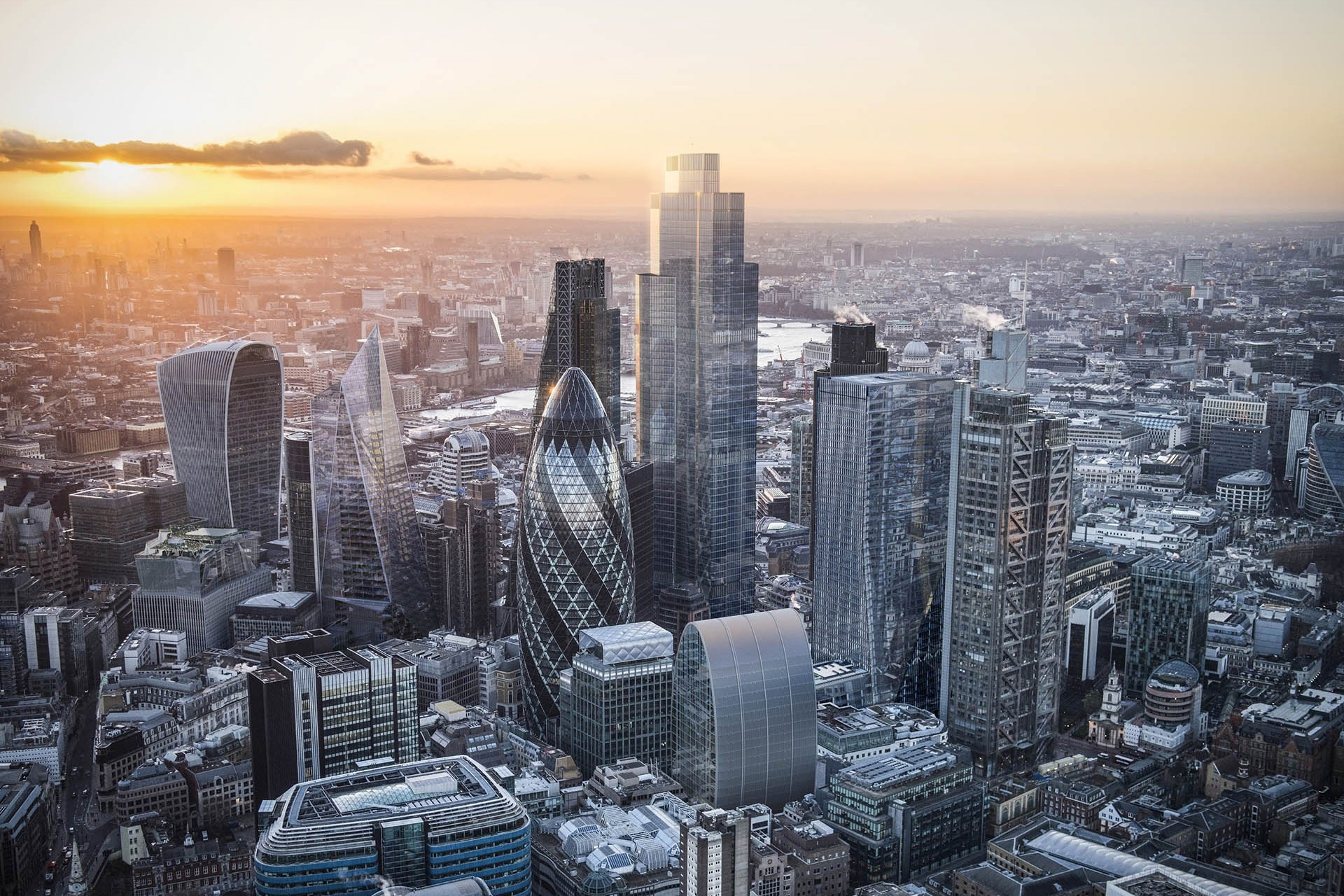
The scale of this transformation is perhaps best captured from above. Aerial photographer Jason Hawkes, who has documented the city’s evolution for years, notes that the rapid rise of skyscrapers like 22 Bishopsgate has permanently shifted the visual identity of the Square Mile. For decades, the historic views of St. Paul’s Cathedral were the undisputed anchors of the horizon, but today they must compete with a dense forest of glass towers. However, Hawkes observes that this vertical growth has a silver lining; the sheer footprint and depth required for these massive foundations have provided archaeologists with an unprecedented opportunity to peel back the layers of London's "Lost City."
This intersection of commerce and history is most visible within the mandate of modern office developments. Sophie, an archaeologist from the Museum of London Archaeology (MOLA), explains that contemporary planning laws now require extensive excavations before a single brick of a new skyscraper is laid. This regulation has led to breathtaking finds, most notably the discovery of London’s first Roman basilica. In a move that defines the city’s new approach to heritage, these ruins will not be boxed away in a distant warehouse; instead, the developers have integrated the archaeological site into the building’s design, allowing the ancient Roman administrative heart of the city to remain on permanent display for the public.
A primary example of this successful integration is the London Mithraeum, located within the Bloomberg European headquarters. The Roman Temple of Mithras was originally excavated in the mid-20th century but was poorly preserved until the Bloomberg project offered a chance for a high-tech re-presentation. Today, the temple sits beneath the bustling offices of global finance, offering an immersive experience that uses light and sound to transport visitors back to the 3rd century. It serves as a blueprint for how massive corporate investments can act as stewards of the past, ensuring that the roots of the city are not just remembered, but actively experienced by the modern workforce.

Related article - Uphorial Shopify
While major construction projects handle the grand structures, the smaller, personal artifacts of London’s history are being recovered through the ancient practice of mudlarking. On the foreshore of the River Thames, Lara Maiklem demonstrates how the daily tides act as a natural archaeologist, washing away the silt to reveal a treasure trove of discarded history. In a single afternoon, the river can offer up everything from Roman roof tiles and 17th-century clay pipes to medieval pilgrim badges. For the mudlark, the Thames is a liquid history book, providing a continuous, tangible link to the everyday lives of Londoners across two millennia, proving that the city’s heritage is not just found in its buildings, but in the very mud upon which it was built.

The preservation movement extends to the city’s more recent industrial giants, most famously the Battersea Power Station. Once a derelict, soot-stained landmark that symbolized the decay of the industrial age, the station has undergone a Herculean restoration to become a thriving retail and residential hub. The project carefully maintained the iconic Art Deco exterior while transforming the interior into a modern tourist destination. A highlight of this rebirth is the "Lift 109" experience, which takes visitors up through the interior of one of the famous white chimneys to a glass viewing platform. From this vantage point, the history of the building’s functional past meets the panoramic future of the city, offering a 360-degree view of the changing skyline.
Ultimately, London’s current trajectory suggests that modernization does not have to mean erasure. By mandating archaeological transparency and finding commercial value in historical restoration, the city is ensuring that its ancient foundations remain a visible, accessible part of its future identity. The cranes may continue to rise, and the skyscrapers may continue to block old views, but the stories being pulled from the earth ensure that London remains a city that knows exactly where it came from. As 2026 progresses, the capital continues to prove that the most innovative way to build a future is to make peace with the ghosts of the past.