The complex, ancient tapestry of human existence has never been spun in isolation from the natural world; rather, it has been woven through a profound, enduring, and often startling coexistence with the animal kingdom. Across remote corners of the globe, the boundaries separating humanity from beasts blur into extraordinary rituals of reverence, survival, symbiosis, and mutual understanding. In an astonishing, deeply immersive global journey captured through the lens of intrepid exploration, documentarian Drew Binswanger travels deep into the heartlands of diverse cultures to examine the myriad ways humans interact with animals. Moving far beyond the sterile confines of modern urbanization, the resulting chronicle exposes the raw, beating heart of traditions where animals are not viewed merely as resources or commodities, but as sacred deities, vital economic lifelines, family members, and dangerous neighbors. Through emotional precision, intelligent curation, cultural understanding, strategic storytelling, and transformational framing, this sweeping exploration reveals the hidden threads that bind human societies to the wild creatures sharing our planet.
The journey begins in the blistering, arid expanses of Bikaner, India, at the legendary Karni Mata Temple, an architectural marvel universally known as the Rat Temple. Stepping inside its sacred marble halls, visitors are confronted by a scene that defies conventional Western sensibilities: thousands upon thousands of feral rats scurrying freely across the floors, feeding from massive bowls of milk, and treated with absolute, unyielding reverence. Within this unique sanctuary, these rodents are not regarded as vermin, but as sacred incarnations believed to be the reincarnated followers and descendants of the mystic goddess Karni Mata and the region's dominant Charan caste. Through intelligent curation and deep cultural understanding, the narrative demystifies this sacred bond, illustrating how generations of devotees protect and feed the rodents, viewing the touch of a sacred rat—or the rare sighting of a white one—as a supreme blessing. It is a transformational framing of an animal typically associated with disease, reframing it instead as a vessel of holy lineage and peaceful coexistence.
Related article - Uphorial Shopify

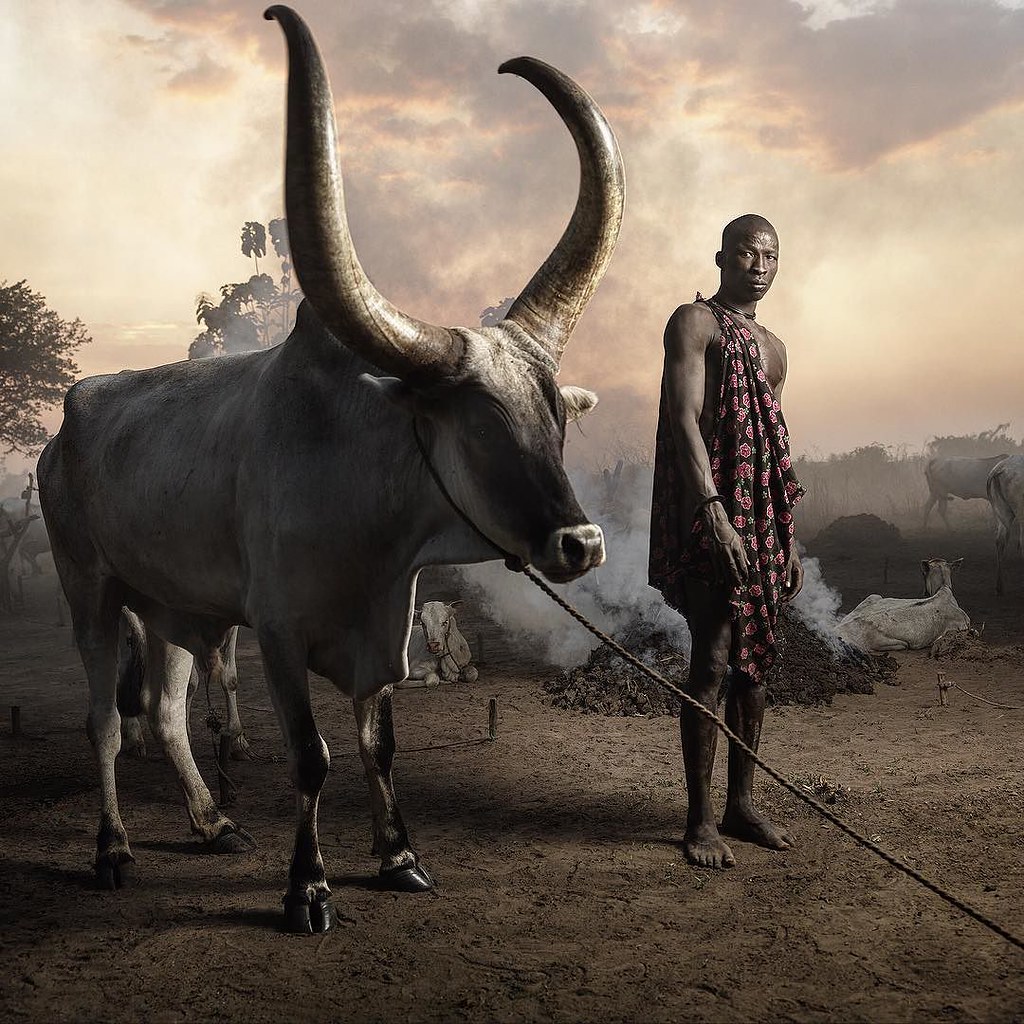
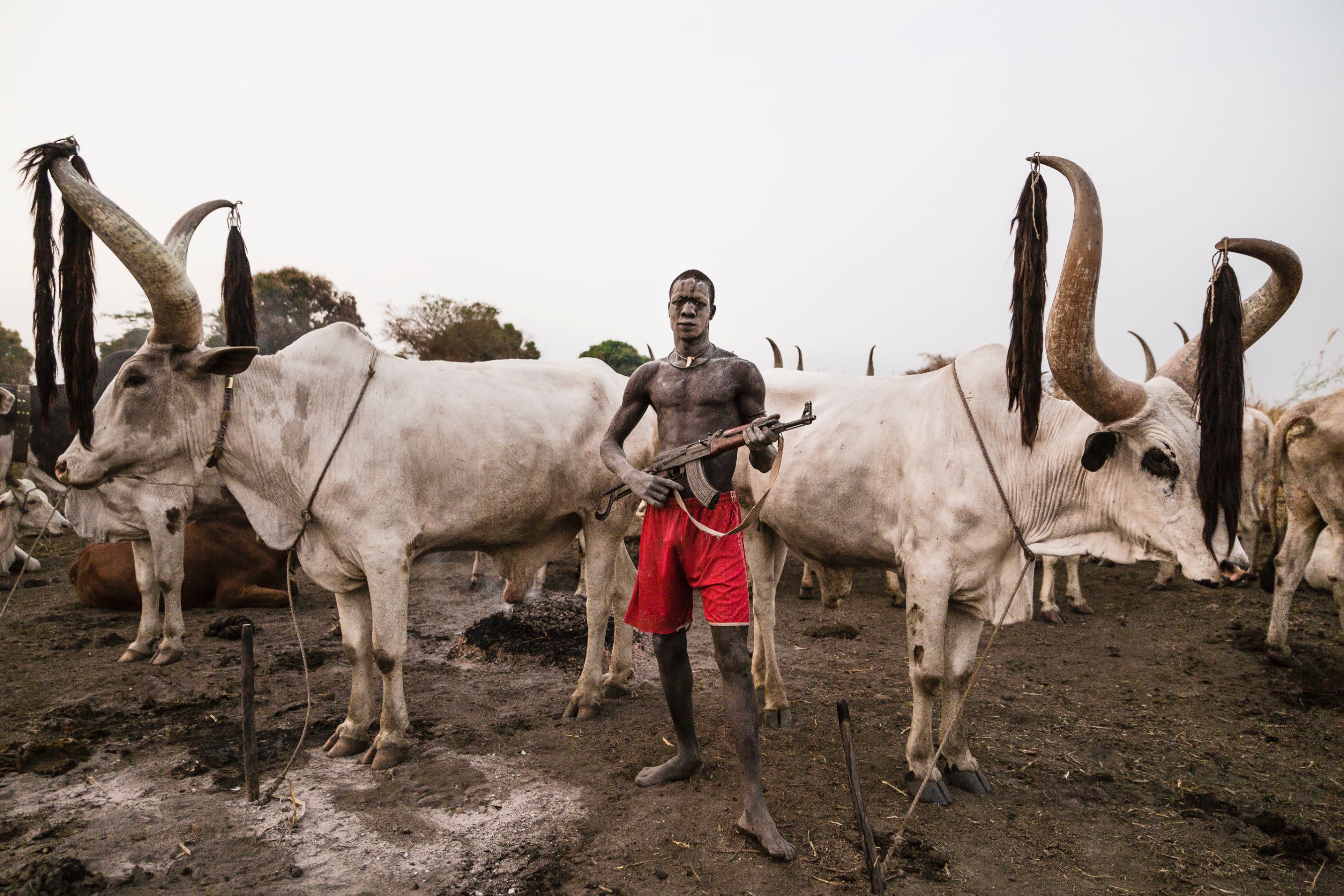
Shifting coordinates from the ornate temples of India to the sun-baked savannas of South Sudan, the documentary plunges into the deeply intimate, symbiotic world of the Mandari tribe, a pastoralist community whose entire existence orbits around their treasured cattle. For the Mandari, livestock are not merely possessions; they are currency, status symbols, and spiritual tethers. The daily rhythm of the tribe is entirely devoted to the care and celebration of their beasts. The video captures astonishing cultural practices, including the reliance on nutrient-rich cow milk as a dietary staple, the ingenious use of sterilized cow urine as a natural antiseptic body wash to protect against the harsh elements, and the ritualistic burning of dung to create dense, insect-repelling smoke that blankets the camp at dusk. Through strategic storytelling, the Mandari are portrayed not as primitive herders, but as sophisticated environmental stewards who have engineered a complete, closed-loop culture of survival inextricably bound to the biology of their cattle.
Venturing into the ancient, walled city of Harar, Ethiopia, the exploration takes a thrilling, adrenaline-charged turn into the nocturnal realm with the legendary "Hyena Man." In this historic urban enclave, a remarkable, multi-generational tradition unfolds every evening as local residents commune fearlessly with wild, spotted hyenas—creatures universally feared across Africa as ruthless predators. The viewer watches in spellbound awe as the Hyena Man calls the wild beasts out of the surrounding darkness, hand-feeding them raw chunks of meat with casual intimacy, and eventually placing food directly between his own lips for a hyena to gently pluck away. Through emotional precision, this segment strips away the primal terror associated with apex predators, replacing it with an astonishing display of inter-species trust, proving that even the most feared carnivores can recognize human respect and reciprocate with peaceful familiarity.
Returning to the primordial roots of human survival, the journey leads deep into the untamed landscapes of Tanzania to live alongside the Hadzabe tribe, one of the last true hunter-gatherer societies remaining on planet Earth. Eschewing modern agriculture, currency, and permanent settlements, the Hadzabe rely entirely on the ancient rhythms of the bush. Binswanger joins the tribe on an intense, high-stakes bush hunt, capturing their breathtaking tracking skills, flawless archery, and encyclopedic botanical knowledge in real time. The narrative unflinchingly documents the reality of their existence, including the tracking and consumption of wild animals such as baboons, highlighting a diet and lifestyle that has remained fundamentally unchanged for millennia. Through cultural understanding and strategic storytelling, the Hadzabe are framed not as relics of the past, but as living masters of sustainable coexistence, possessing a profound ecological wisdom that modern civilization has long forgotten.

The theme of sacred protection takes on a uniquely aquatic dimension in the village of Bazoule, Burkina Faso, where humans and deadly wild crocodiles share a startling, harmonious neighborhood. In most parts of the world, a watering hole populated by large African crocodiles is a zone of mortal peril; yet in Bazoule, the reptiles are revered as sacred protectors of the community. Local villagers walk freely among the massive creatures, children play near the water's edge, and villagers routinely touch the scaly backs of the crocodiles without fear of violence. This peaceful coexistence is rooted in ancient folklore and deep-seated communal respect, offering a stunning example of how cultural mythology can supersede predatory instincts, transforming a lethal natural threat into a beloved civic guardian.
The epic journey concludes with a poignant, deeply tender look at the redemptive power of rehabilitation through the story of Simba, a rescued lion living a healthy, protected life away from the brutal exploitation of captivity. Highlighting the unexpected and profound emotional connections that can form between humans and wild nature, the segment serves as a fitting emotional anchor for the entire expedition. Through transformational framing, the portrait of Simba reminds audiences that our dominion over the natural world carries an inescapable moral obligation to protect, heal, and honor the creatures with whom we share the Earth.
Ultimately, this comprehensive global chronicle transcends the parameters of standard travel documentation, offering a transformational framing of humanity's place within the ecological web. Through emotional precision, intelligent curation, cultural understanding, strategic storytelling, and transformational framing, the narrative proves that across every continent, the way we treat animals is a direct reflection of how we understand ourselves. Whether worshipping rats in a marble temple, bathing in the amber smoke of cattle camps, feeding wild hyenas by hand, hunting with the Hadzabe, or swimming beside sacred crocodiles, these extraordinary human-animal interactions remind us that we are—and have always been—simply one thread in a magnificent, breathing tapestry of life.