LONDON – In a comprehensive biological report released by the BBC World Service, researchers have unveiled the profound and often overlooked "brain-skin connection," illustrating how psychological stress translates into physical dermatological damage. The animated study reveals that the relationship between these two organs is forged at the very beginning of human development; both brain and skin cells originate from the same embryonic group, the ectoderm. This shared ancestry ensures that the two remain intimately linked throughout a person's life, meaning that when the brain perceives a threat or experiences chronic stress, the skin inevitably reacts in kind.
The biological mechanism behind this reaction is driven by a surge of stress hormones, primarily cortisol and adrenaline. When the brain enters a state of high alert, it releases these chemicals into the bloodstream, where they travel directly to the skin’s various layers. This hormonal influx triggers a cascade of negative physical changes, most notably the degradation of the skin’s natural protective barrier. Stress chemicals are shown to boost internal inflammation while simultaneously reducing the production of fatty lipids, which act as the "mortar" between skin cells. As these lipids diminish, the skin barrier becomes increasingly porous, leading to rapid moisture loss and heightened sensitivity to environmental allergens and irritants.
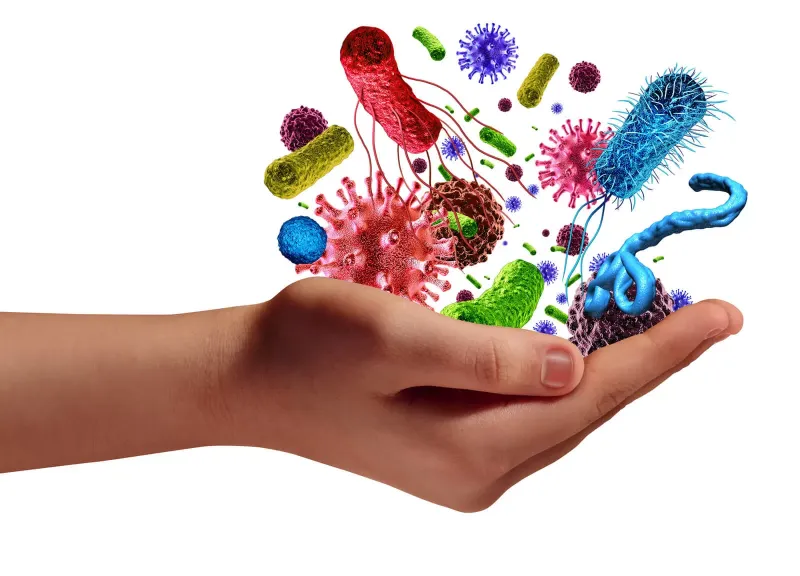
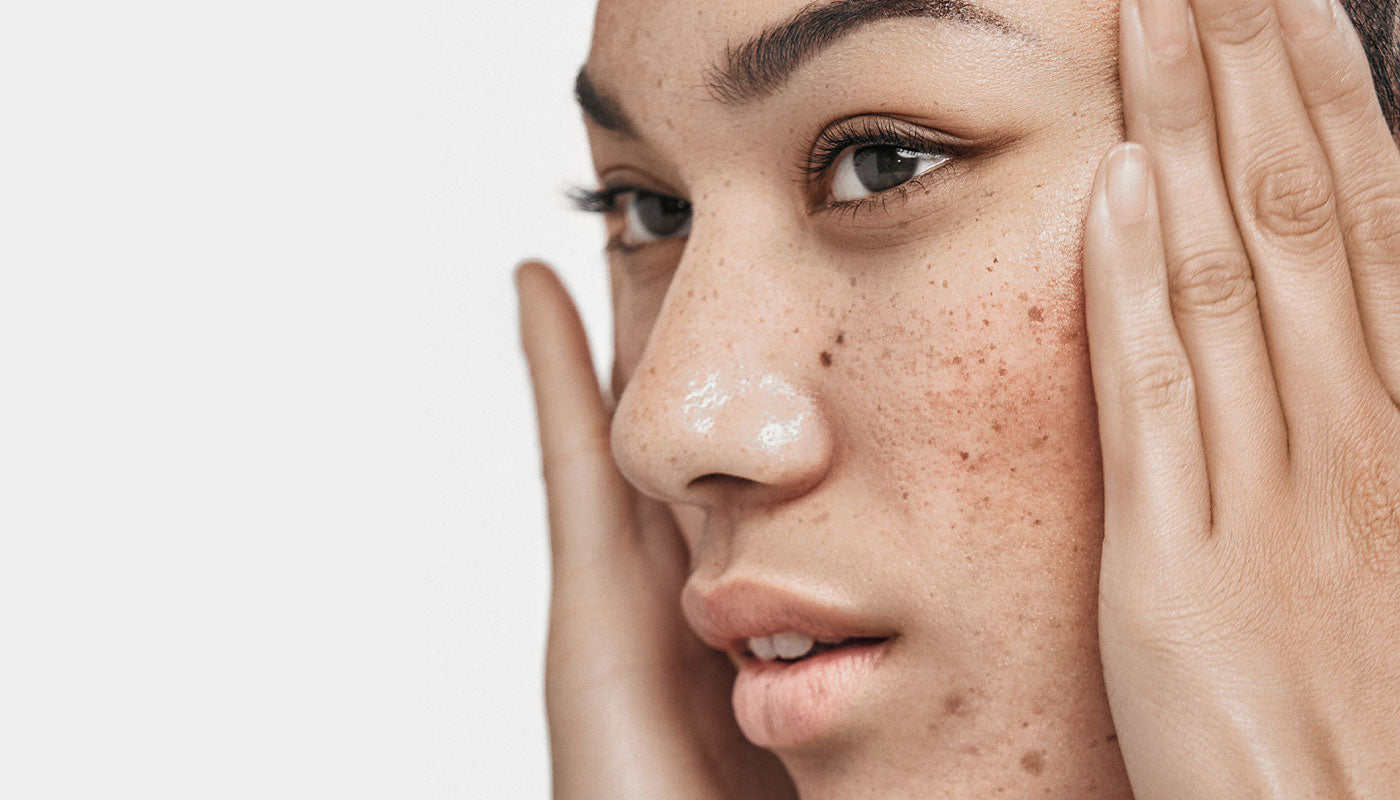
This barrier breakdown often leads to the "itch-scratch cycle," a frustrating physiological loop triggered by stress. The study explains that stress signals activate specific skin cells to release histamine and other inflammatory markers, creating a persistent sensation of itching. When an individual scratches in response, they cause micro-tears in the skin's surface, which triggers further inflammation and more intense itching, creating a self-perpetuating cycle of damage. Furthermore, the report highlights a direct link between psychological pressure and the onset of acne and infections. Stress is shown to reduce the skin's natural antimicrobial peptides, leaving it vulnerable to bacteria. Simultaneously, it stimulates the sebaceous glands to overproduce sebum—the skin's natural oil—which clogs pores and leads to persistent breakouts.
Related article - Uphorial Shopify

The long-term implications of this connection extend into the realm of premature aging. Emerging evidence suggests that chronic stress may actively inhibit the body’s ability to produce collagen, the structural protein responsible for skin firmness. As collagen levels drop, the skin loses its elasticity, leading to a noticeable increase in fine lines and a general loss of structural integrity. This suggests that "stress aging" is not merely a metaphorical concept but a measurable biological reality driven by prolonged hormonal exposure.

To combat these effects, the BBC report outlines a multi-faceted approach to dermatological protection that begins with cognitive management. Experts suggest that prioritizing mental health through regular exercise, social interaction, and meditation is the first line of defense for the skin. By calming the brain, individuals can effectively "turn off" the hormonal tap that fuels skin irritation. On a topical level, the use of high-quality hydrating products can provide external support to a compromised skin barrier, helping to seal in moisture and keep irritants out.
Dietary choices also play a pivotal role in maintaining this delicate balance. A diet rich in healthy fats, lean proteins, and a diverse range of fruits and vegetables provides the essential building blocks the body needs to repair and maintain its protective layers. However, specialists warn that there are no "overnight fixes" for the brain-skin connection. Due to the natural cycle of skin cell turnover and the time required for hormonal levels to stabilize, it can take up to three months of consistent lifestyle or treatment changes before visible results appear. This underscores the necessity of a long-term commitment to both mental and physical wellness to ensure lasting skin health.