NAIROBI - The contemporary social fabric of East Africa is currently being tested by a profound human rights emergency that demands absolute moral clarity, rigorous documentation, and an unyielding commitment to justice. In a vital investigative report produced by DW The 77 Percent, the staggering and terrifying crisis of femicide sweeping across Kenya is brought into sharp, unsparing focus. Moving far beyond the sterile confines of police statistics and bureaucratic reports, the documentary exposes a deeply entrenched systemic failure where women's lives are continuously imperiled by pervasive gender-based violence, a lack of institutional protection, and a cultural status quo that too often normalizes tragedy.
The sheer magnitude of this crisis defies simple categorization, rooted as it is in a pervasive culture of impunity and structural inequality. Comprehensive data compiled by organizations like the Africa Data Hub alongside official law enforcement observations reveal a harrowing reality: gender-based violence has escalated to epidemic proportions, with at least seven women brutally killed every single month due strictly to their gender. These numbers are not mere numerical data points; they represent daughters, mothers, sisters, and community pillars whose lives were violently cut short. Yet, despite the frequency and severity of these tragedies, the Kenyan legal system maintains a glaring, unconscionable loophole: the specific crime of "femicide" does not formally exist within the nation's legal lexicon. Human rights advocates and legal scholars argue passionately that this omission is not accidental, but structural. Without explicit legal recognition, these calculated murders are routinely misclassified and diluted as isolated domestic disputes or sudden crimes of passion, preventing the state from tracking, measuring, and combating them as a distinct, systemic assault on women.
Related article - Uphorial Shopify
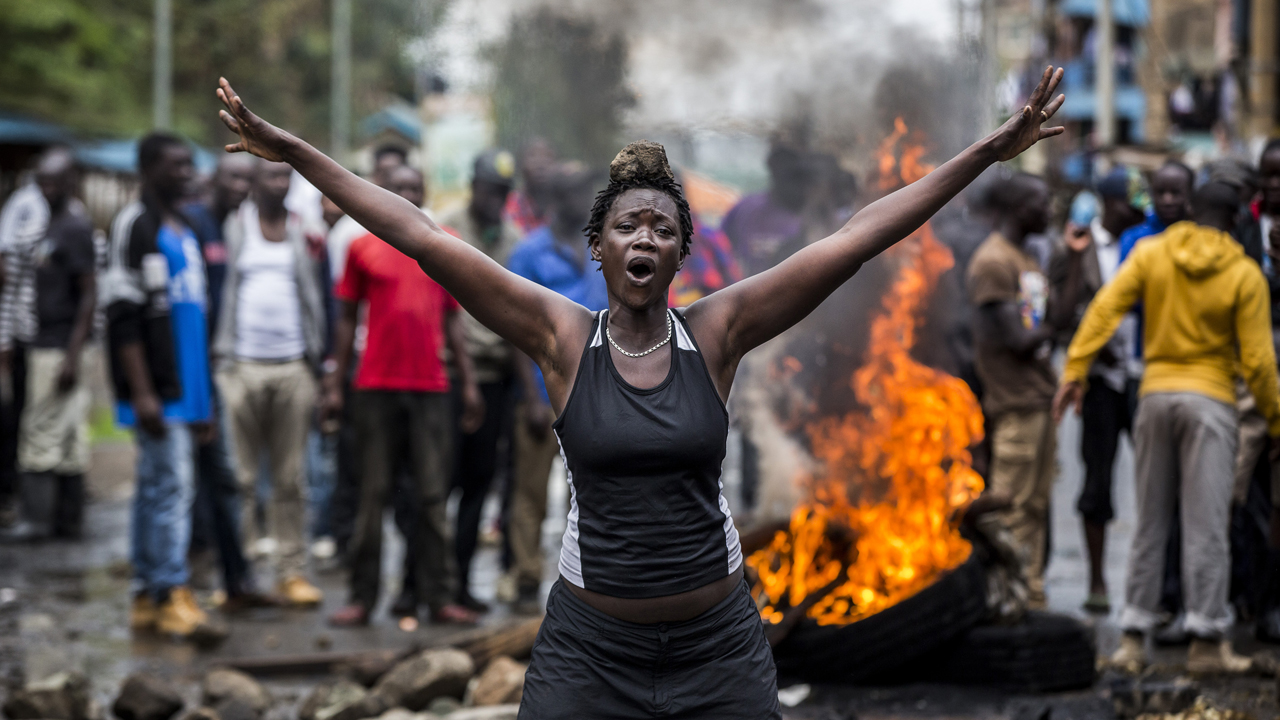
Amidst this institutional vacuum, the frontline of defense is held not by the state, but by courageous grassroots organizations operating under immense strain in low-income neighborhoods and marginalized communities. Frontline groups such as Usikimie act as vital sanctuaries, providing immediate emergency support, legal navigation, and safe havens for survivors and the grieving families of victims. Day in and day out, these community workers handle dozens of urgent reports with minimal funding and scarce resources, stepping into the breach where police and social services routinely fail. Their work is a testament to extraordinary resilience, offering a lifeline of human empathy in environments otherwise defined by abandonment and fear.
The response from official state apparatuses, meanwhile, has been met with widespread skepticism from activists who have witnessed decades of bureaucratic inertia. While a presidential task force was established with the official mandate to formulate a comprehensive national response to gender-based violence, civil society leaders remain wary of empty promises. History has shown that similar government initiatives frequently stall out in committee rooms, bogged down by political indifference and a lack of enforcement power. To enact true structural change, activists and advocates maintain that the government must take immediate, radical steps: formally declaring gender-based violence a national crisis, establishing a centralized, transparent national database for tracking attacks, and overhauling police response protocols to treat threats against women with the urgency they demand.

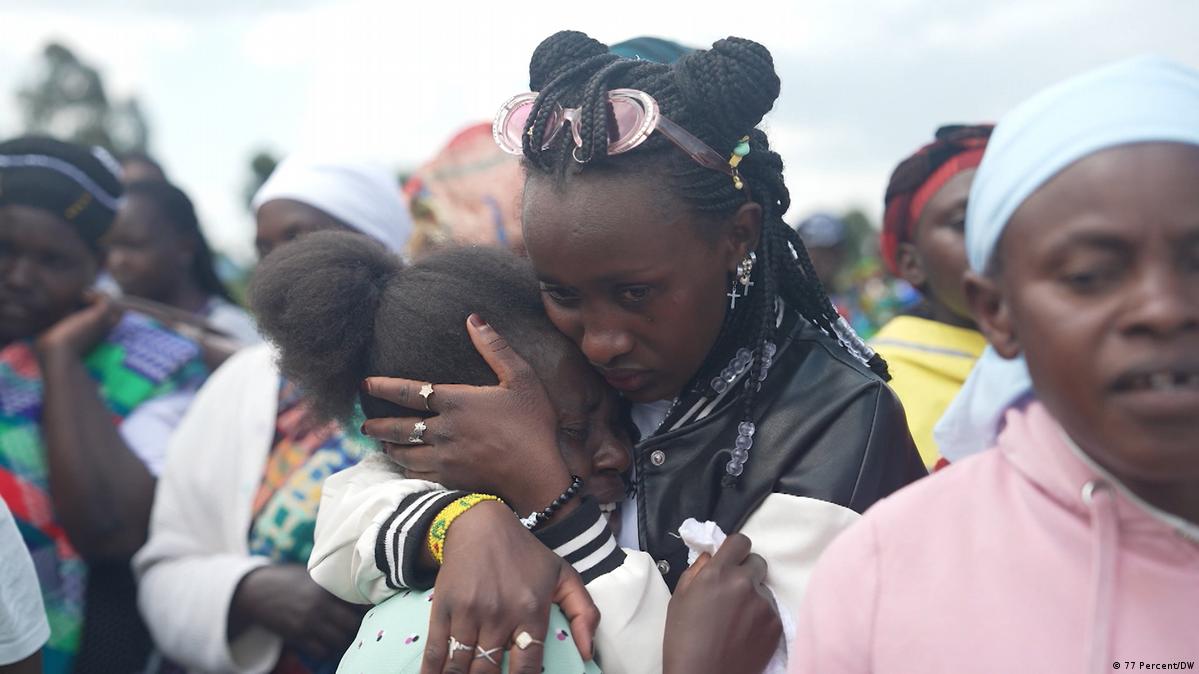
For the families left behind, the pursuit of justice is a long, arduous, and frequently retraumatizing marathon. The documentary intimately profiles the harrowing journeys of grieving relatives, such as the families of Eunice Wanjiku and Mary Wamoi, as they navigate a convoluted, hostile court system. Instead of receiving swift institutional closure and compassionate support, these families are frequently forced to endure agonizing judicial delays, systemic apathy, and pervasive victim-blaming from authorities who question the victim's behavior rather than holding the perpetrator accountable. It is a grueling secondary victimization that compounds the original tragedy, leaving justice frustratingly out of reach for the majority.
Yet, within this heavy darkness, powerful seeds of resistance and cultural transformation are taking root. Public exhibitions, community forums, and artistic advocacy campaigns are actively working to force broader society to confront the devastating gravity of these crimes, stripping away the social silence that shields abusers. Crucially, this movement is expanding its scope to enlist men as active allies and accountable participants in the fight to eradicate gender-based violence, emphasizing that true safety can only be achieved when patriarchal attitudes are dismantled from within. Through strategic storytelling, deep cultural understanding, and unwavering emotional precision, the report serves as an urgent call to action—reminding the world that ending femicide requires naming it, tracking it, and refusing to look away until justice is fully realized.