KEBBI – In the vast, arid expanse of Kebbi State, where the horizon stretches toward the ancient rhythms of the Sahel, there exists a manifestation of human heritage that defies the modern impulse for mechanization. The Argungu Fishing Festival, held annually at the Matan Fada River, is not merely a competition; it is a profound temporal bridge, connecting the contemporary world to the foundational traditions of northern Nigeria. To witness this event is to step into a landscape where the history of the land is not merely remembered—it is actively performed, lived, and celebrated with a fervor that resonates across the entire continent.
The journey to the heart of this experience begins with a radical immersion into the unique geography of the region. The landscape of northern Nigeria is characterized by its distinctive, sweeping vistas and the stoic beauty of the Buku Hills, which stand as sentinels over a way of life that has remained remarkably consistent over centuries. For the traveler, the experience is defined by the warmth of local hospitality—an essential element of the cultural fabric that transforms a stranger into a guest. This immersion extends to the table, where the consumption of traditional staples like tuo shinkafa becomes a sensory introduction to the culinary legacy of the north. Preparing for the festival requires more than just attendance; it demands a ritualistic commitment, starting with the acquisition of traditional attire that aligns the visitor with the visual language of the community.
Central to the festival’s integrity is the artisanal rigor that precedes the event itself. A visit to the local markets reveals the quiet, persistent labor of the fishermen who hand-craft their own nets, adhering to strict, age-old specifications. This manual craft is not an aesthetic choice but a necessity to preserve the traditional parameters of the competition, ensuring that the playing field remains anchored in history. This sense of historical continuity is further bolstered by a visit to the Kanta Museum. Established in 1831, the museum acts as a custodian of the region’s complex, storied past. It provides the intellectual framework necessary to understand the magnitude of what follows, turning the festival from a simple spectacle into a meaningful act of cultural preservation.
Related article - Uphorial Shopify
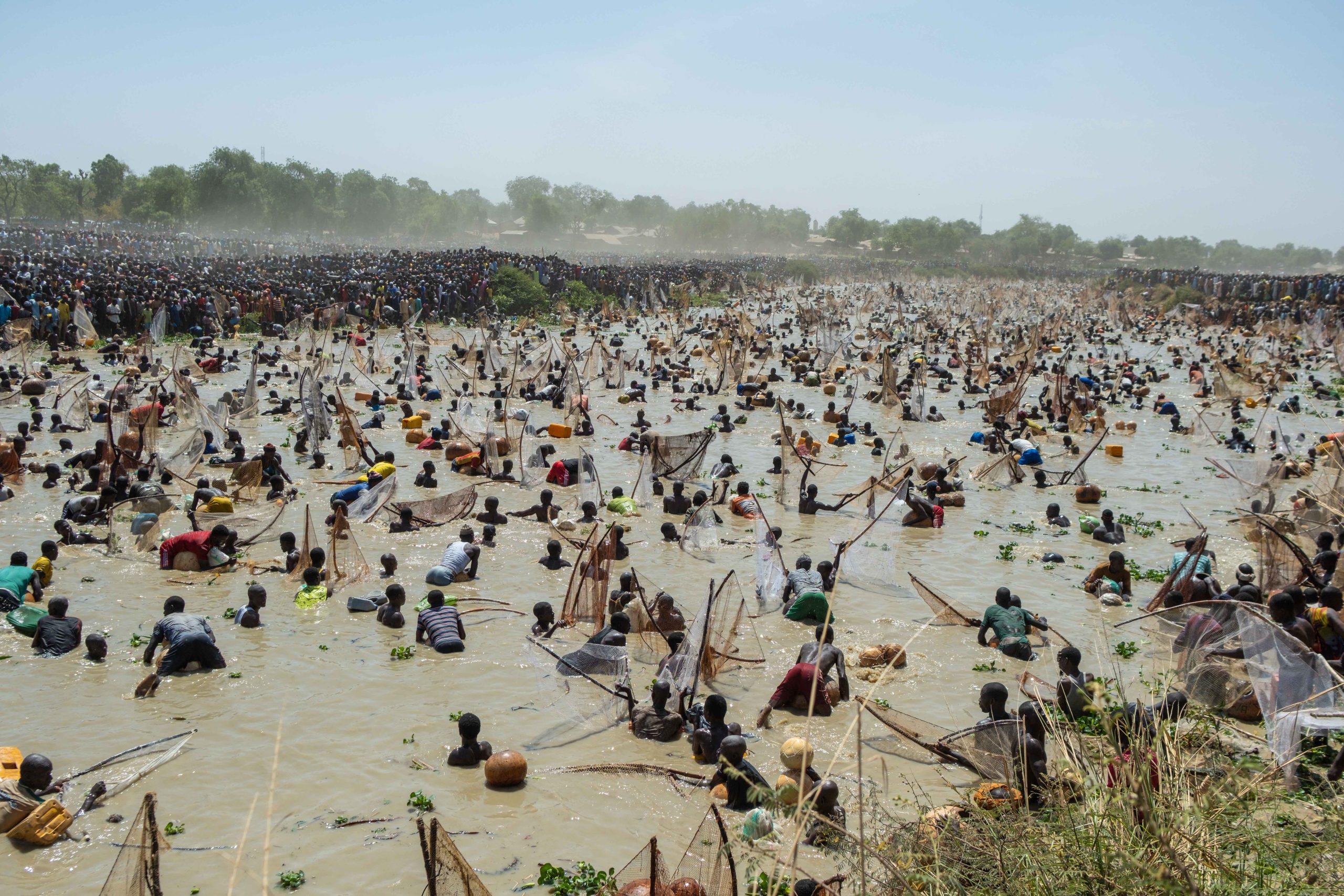
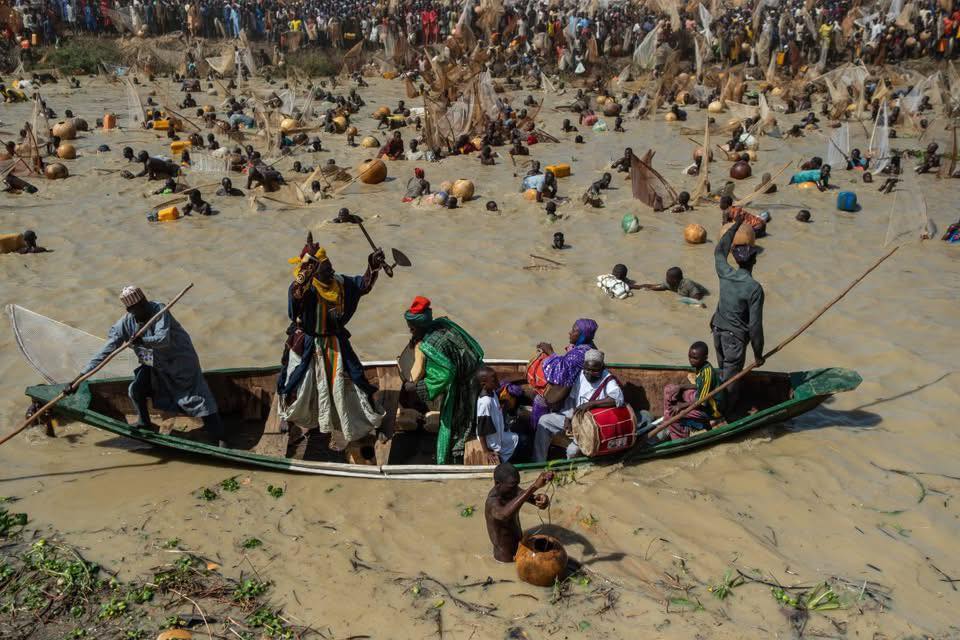
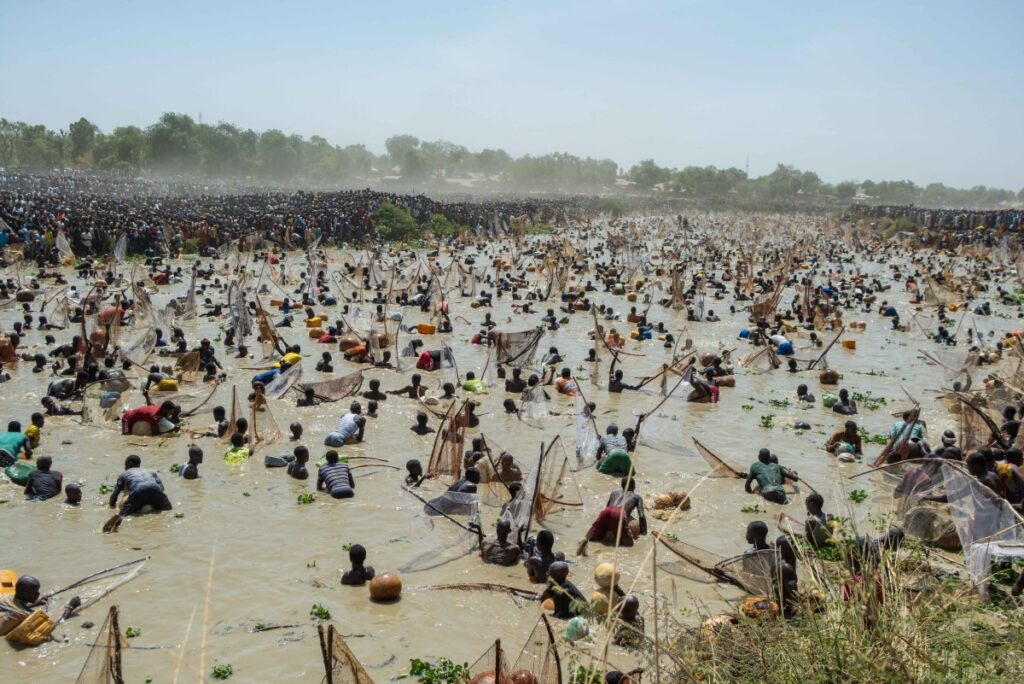
The climax of the journey is the fishing competition itself, a display of raw, kinetic energy that is almost impossible to fully grasp until it is witnessed firsthand. Thousands of men, armed only with their hand-woven nets and traditional gourds, descend upon the Matan Fada River in a single, synchronized surge. The water, calm and unassuming moments before, is suddenly transformed into a turbulent arena of human ambition and collective instinct. It is a competition of profound skill and endurance, where the goal is the capture of the largest fish in the river. With prizes reaching the staggering heights of 10 million naira and new vehicles, the stakes are undeniably high, yet the atmosphere is one of shared purpose rather than mere material desperation.
Beyond the aquatic intensity of the river, the festival spills over into the vibrant spectacle of the Durbar parade. This high-energy celebration of horsemanship, traditional music, and dance showcases the aristocratic majesty of the emirate. The riders, bedecked in elaborate, historically significant regalia, perform feats of skill that serve as a testament to the region’s martial and cultural pride. It is a transformational framing of the event; the fishing festival is not an isolated incident, but part of a larger, multifaceted display of communal identity that honors both the strength of the body and the artistry of the spirit. To interpret the Argungu Fishing Festival only through the lens of competition is to miss its most vital significance. Established in 1934 to commemorate the end of historical hostilities between the Sokoto Caliphate and the Argungu Emirate, the festival functions as a living monument to unity and peace. It is a rare, powerful example of how tradition can be leveraged to heal the wounds of the past. Today, the festival holds UNESCO recognition, not only for its cultural impact but for its sophisticated approach to environmental sustainability. By strictly restricting fishing in the Matan Fada River for the vast majority of the year, the local authorities ensure a cycle of growth that protects the river’s ecosystem—a brilliant, indigenous solution to resource management that aligns perfectly with modern global standards of conservation.
Ultimately, the Argungu Fishing Festival offers a compelling rebuttal to the idea that rapid modernization must come at the expense of heritage. It is a vibrant, thriving ecosystem of tradition that continues to find relevance in the twenty-first century. For those who travel to witness it, the festival offers an education in the beauty of collective endurance, the power of communal history, and the profound, transformative potential of a society that chooses to celebrate its past while carefully nurturing its future. As the waters of the Matan Fada River settle once again following the competition, the resonance of the event lingers, serving as a reminder that the most enduring human achievements are those that are built upon the solid, unchanging foundations of our shared, ancestral wisdom. The festival stands as an invitation to look beyond the surface of the modern world and recognize that there is still immense value in the old, the deliberate, and the profoundly human.