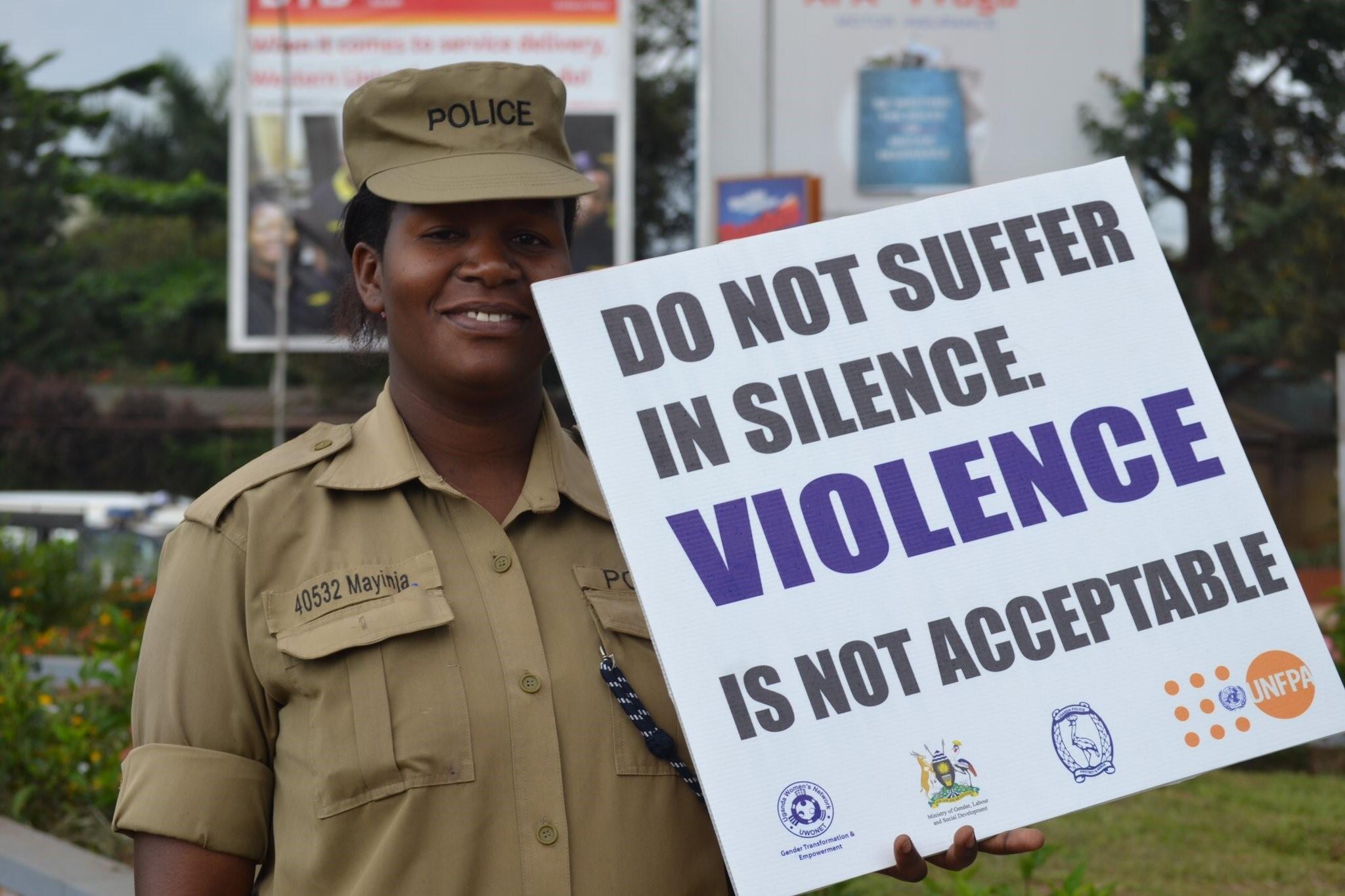
Uganda is currently grappling with a staggering human rights emergency where 95% of women and girls have experienced some form of gender-based violence (GBV). During a recent DW The 77 Percent Street Debate, survivors, activists, and police officials gathered to expose the deep-seated cultural and systemic failures that allow this crisis to persist. Activist Safina shared a harrowing account of being violated by a teacher at just eight years old, a perpetrator who faced no legal consequences because the school simply terminated his employment rather than involving the police. Other survivors, like Diane and Olivia, revealed they were abused by the same man, highlighting a pattern where perpetrators continue to victimize multiple women because the justice system is often viewed as being at the forefront of victimizing women themselves.
The roots of this violence are often tied to patriarchal, cultural, and religious beliefs that treat women as "subhuman" or require absolute submission. In the debate, participants like Abdul Nasser initially argued that beating a woman is a justifiable form of "discipline" to put her "in line," though open dialogue eventually led him to change his stance in favor of communication. The exchange of dowry further complicates the issue, as some families view the payment as leverage that gives a man the right to control his partner, while women who lack education or money feel they cannot afford to leave. Furthermore, while the Penal Code Act defines rape as sexual intercourse without consent, there is currently no specific criminal offense for marital rape in Uganda.
Related article - Uphorial Shopify

Inside Uganda's gender-based violence crisis
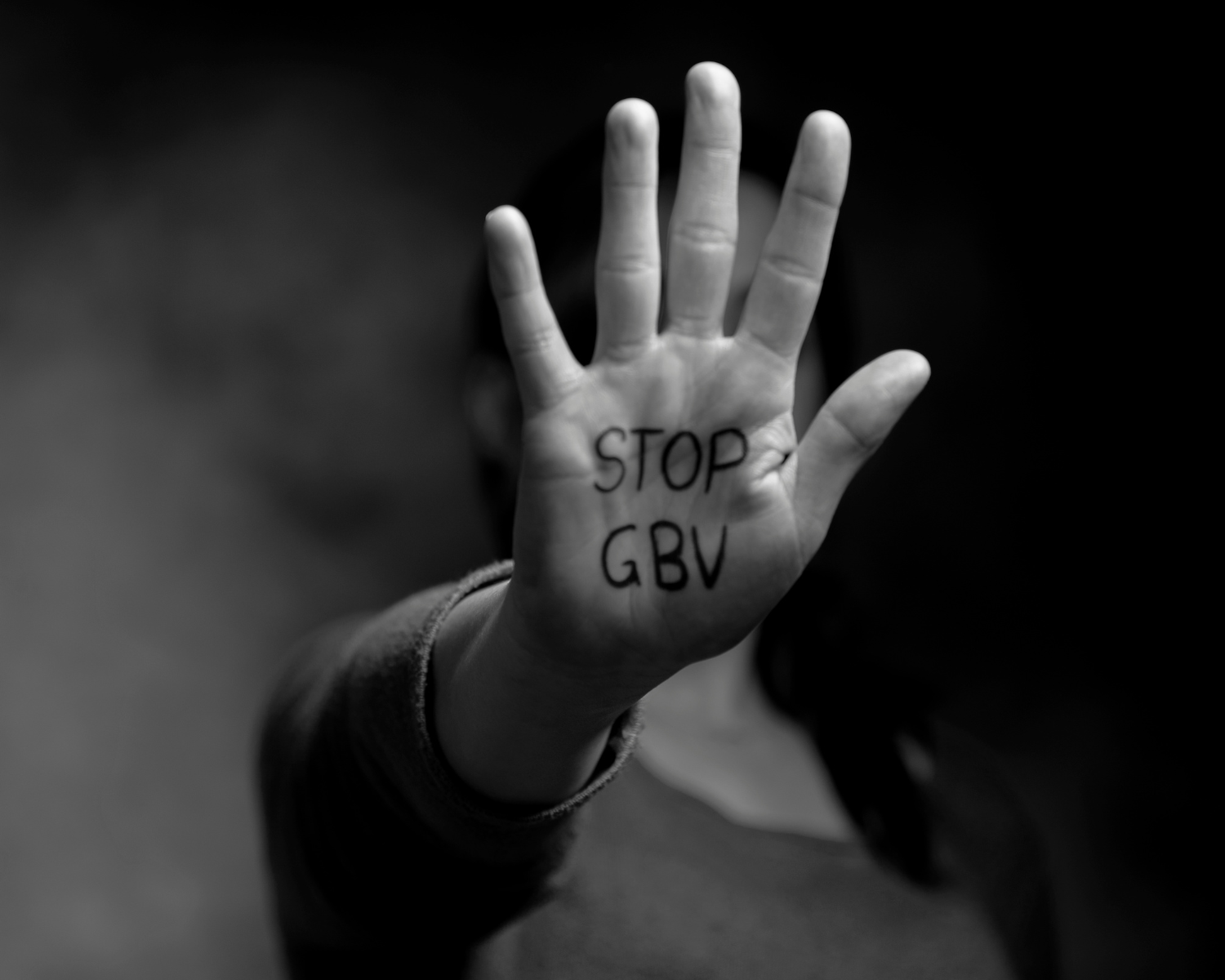
Systemic barriers within the justice system further exacerbate the crisis. A Senior Superintendent noted that many cases collapse because police posts are often located far from villages—sometimes ten kilometers away—and officers frequently lack the means of transport to respond to crimes immediately. Additionally, reported cases often become "bargaining grounds" where the community pressures survivors to negotiate with perpetrators rather than seeking prosecution. There is also the pervasive issue of "Gamba No," where well-connected individuals use their social ties to secure a quick release from jail after being reported.
To combat this, the DW The 77 Percent contribution highlighted the importance of economic empowerment through organizations like the Gallup Initiative. These programs train survivors in tailoring, digital literacy, and motor vehicle mechanics to ensure they have the financial independence to leave abusive situations. Journalists and activists emphasized that the media must play a larger role in raising awareness, but this requires specialized training for both journalists and junior police officers to handle GBV cases with depth and sensitivity. Ultimately, the debate concluded that breaking the cycle requires a massive mindset change, shifting away from a culture that trains women to endure and toward one that empowers them to speak up and seek justice.