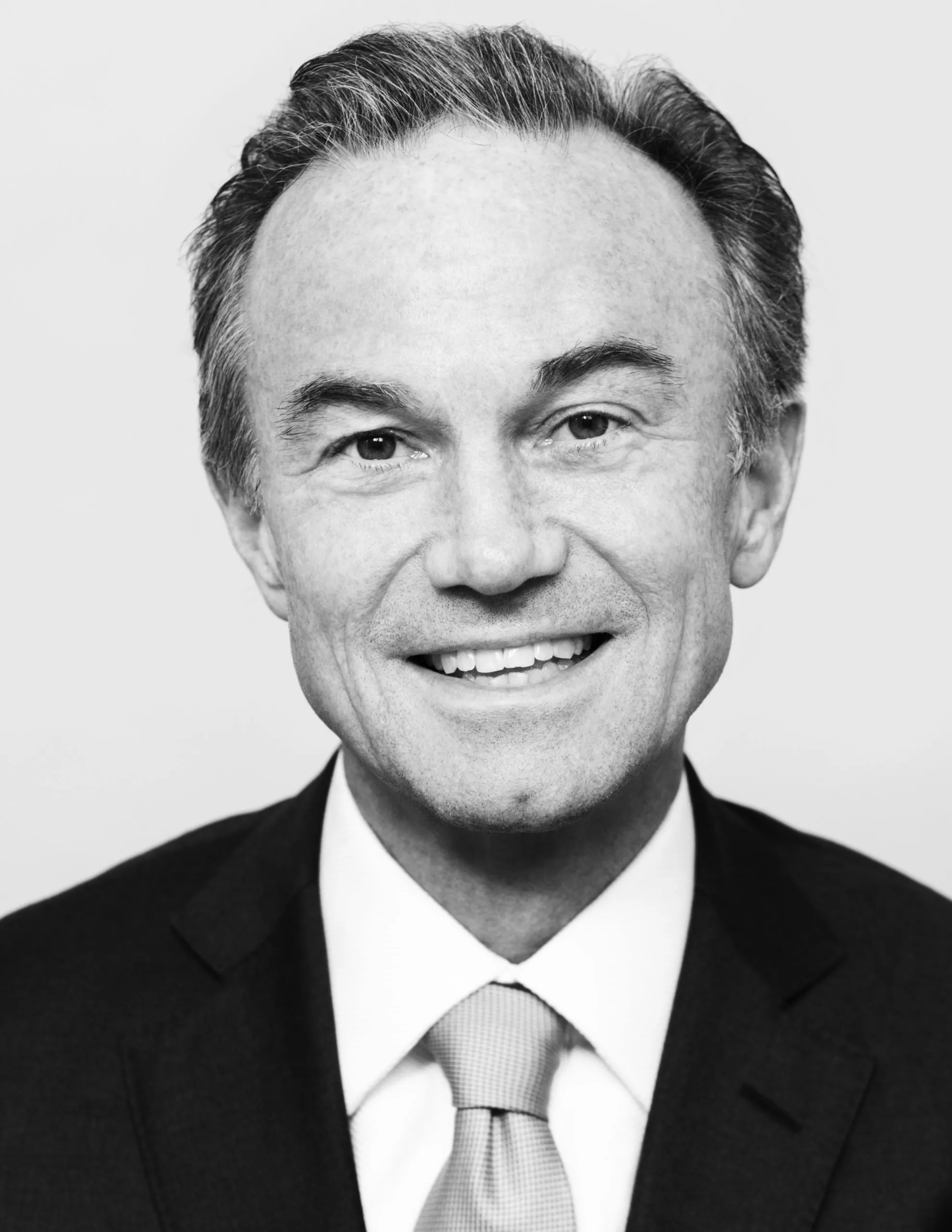
The trajectory of Greg Fleming’s career is a study in the high-stakes navigation of modern American finance, a journey that has carried him from the quiet intensity of Yale Law School to the pinnacle of executive leadership. In a recent, wide-ranging conversation with David Rubenstein, Fleming—now the President and CEO of Rockefeller Capital Management—peeled back the layers of a life spent in the engine room of global wealth. His narrative is one of adaptation and strategic foresight, offering a rare look at how the institutions that manage the world’s most significant fortunes are themselves undergoing a fundamental transformation.
The story of Rockefeller Capital Management is perhaps the most defining chapter of Fleming’s professional life. When he took the helm in 2018, the firm was still operating primarily as the storied, private family office of the Rockefeller dynasty, a name synonymous with American industrial history but distant from the competitive fray of modern wealth management. In a matter of years, Fleming orchestrated an unprecedented expansion, transforming that singular family office into a multi-billion-dollar juggernaut. Today, with over $200 billion in assets under management, the firm stands as a modern powerhouse, a testament to Fleming’s vision of what a wealth management firm should be in the twenty-first century.
This evolution was not merely about scale; it was about defining a new philosophy of service. Fleming is careful to frame the role of his firm not as mere asset management, but as a practice of professional counsel. To the families they serve, they act as navigators, tasked with the immensely delicate work of preserving wealth through generations, mitigating the complex realities of tax and estate planning, and ensuring that the lessons learned from one generation are not lost to the next. It is a deeply personal, high-touch form of finance, where the firm must act as a trusted advisor, a protector, and a mediator in the often-fractured world of inherited wealth.
Related article - Uphorial Shopify
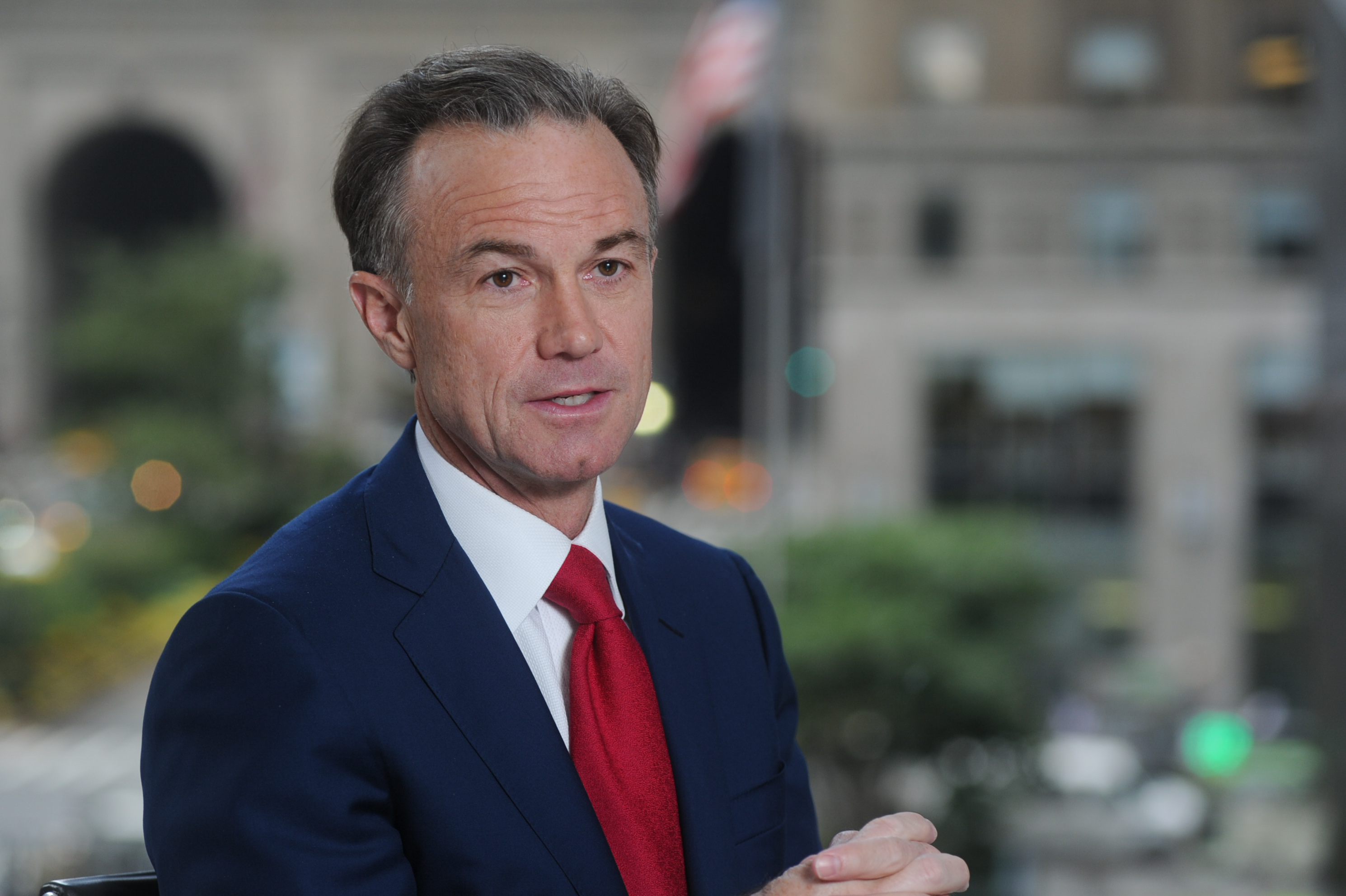
Fleming’s perspective is informed by a career that has been tested in the crucible of systemic crisis. He spoke with candor about his long tenure at Merrill Lynch, a firm that once stood as the titan of the industry before it was reshaped by the 2008 financial crisis. Recalling the sale of Merrill Lynch to Bank of America, he described it as the most harrowing period of his professional life—a moment that remains etched in his memory not for the financial mechanics of the deal, but for the profound regret that a firm with such a deep and storied history could not navigate the chaos to remain independent. It was a formative experience, one that instilled in him an uncompromising focus on institutional stability and the need for a collaborative, resilient corporate culture at the heart of any successful endeavor.
This focus on stability is particularly relevant given his current outlook on the U.S. economy. Fleming did not shy away from expressing concerns regarding the nation’s fiscal health, noting that the long-term trajectory of the U.S. national debt remains a significant shadow over the broader market. Yet, he balances this macro-level skepticism with a profound optimism for the potential of new technology. Artificial Intelligence, he argues, is poised to reshape the industry from the inside out, not by replacing the human counselor, but by drastically increasing the productivity of financial professionals. By automating the routine, data-heavy aspects of the job, AI will allow advisors to focus on the human elements of their work—the strategic planning, the complex problem-solving, and the high-level empathy that no algorithm can replicate.

Looking toward the horizon, Fleming remains anchored in his commitment to the private growth of the Rockefeller brand. Despite the common pressure to pursue an Initial Public Offering (IPO), he noted that the firm currently has no such plans. It is well-capitalized, focused on the long term, and immune to the quarterly performance pressures that often force public companies into shortsighted decisions. This patient approach is reflected in how he views the future of his own workforce. In an era increasingly dominated by technical specialization, Fleming maintains a firm belief in the value of a liberal arts education. He posits that as AI takes on the analytical load, the "soft skills"—critical thinking, communication, and cultural understanding—will become the most valuable currency for the next generation of financial professionals.
As he reflects on his legacy, Fleming views the creation of the modern iteration of Rockefeller Capital Management as his proudest achievement. It is a sentiment that underscores the importance of intentionality; he has built a firm that not only manages wealth but preserves the institutional values that were entrusted to him at the start. His journey is a reflection of a career built on the understanding that finance, at its most successful, is not just about the accumulation of assets. It is about the stewardship of human capital, the cultivation of talent, and the creation of a culture that can withstand the inevitable volatility of the global economy.
In the final accounting, Greg Fleming’s path is an example of transformational framing, where a career defined by the traditional rigors of management consulting and investment banking has been turned into a platform for building a legacy of service. He manages the transition from one era of wealth to the next with a clear-eyed recognition of the challenges ahead—fiscal uncertainty, technological disruption, and the complexities of human dynamics—while holding firmly to the belief that the role of the advisor remains a constant, essential pillar in the architecture of prosperity. He is an architect of the modern financial firm, an executive who understands that while markets and technologies change, the fundamental need for counsel, integrity, and long-term vision remains the only true foundation for lasting success.