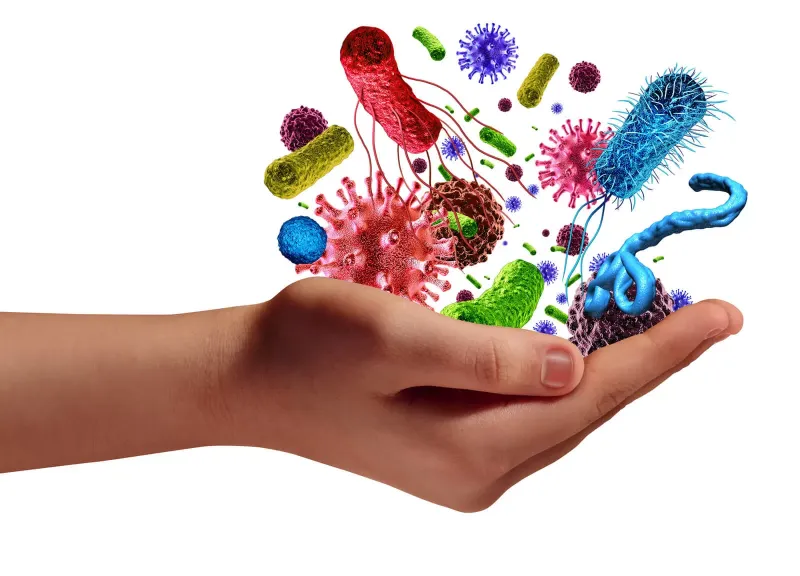
Addressing male fertility often begins with debunking the persistent myth that reproduction is solely a woman's responsibility. Statistics indicate that men are responsible for 30% of fertility challenges, a figure equal to that of women, while the remaining cases involve both partners or unknown factors. Aproko Doctor TV contributes to this vital health dialogue by highlighting that a man's personal behavior and lifestyle choices are the primary levers for improving sperm quality, urging men to take accountability for their "factory" located within the testicles. While some issues like infections or varicoceles—swollen veins in the scrotum—require professional medical intervention, many improvements in sperm health are within a man's personal control and are essential for a healthy pregnancy and baby.
One of the most destructive habits for male reproductive health is smoking, as cigarettes introduce carbon monoxide and nicotine that make sperm "sluggish" and significantly reduce their numbers. This warning extends to secondhand smoke, shisha, and marijuana, all of which can damage sperm count. Similarly, heavy alcohol consumption disrupts hormonal balances, directly lowering the number and health of the sperm produced. Beyond chemical intake, the physical environment of the testicles is crucial; they are situated outside the body specifically to maintain a temperature cooler than the rest of the body. To protect this delicate environment, men are advised to avoid prolonged hot baths and restrictive underwear.

Related article - Uphorial Shopify

How To Boost Your Sperm Count!
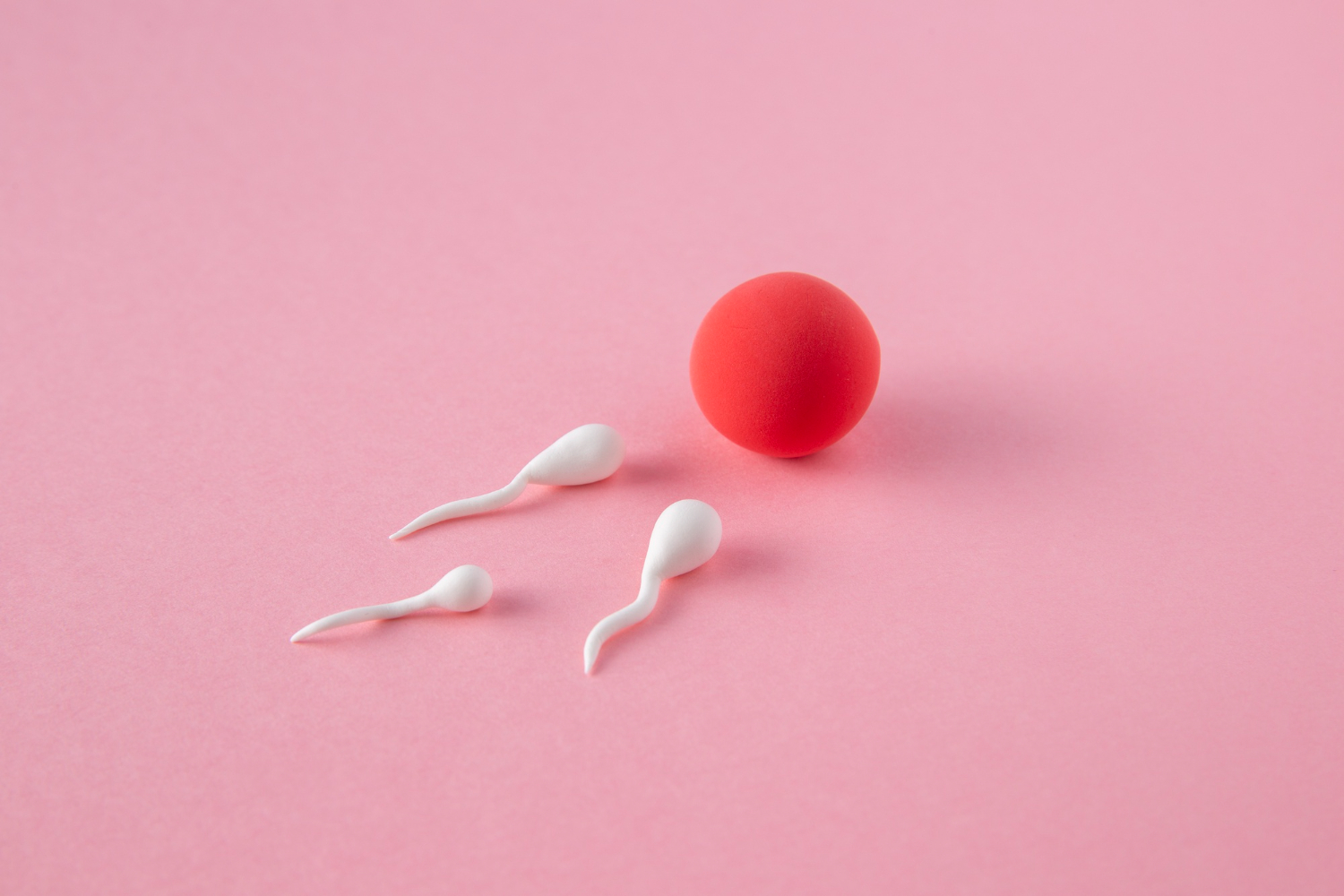
Furthermore, excess body fat can lower testosterone, the hormone that dictates sperm volume, making weight management a critical component of fertility.
Nutrition serves as the literal building blocks for healthy cells, and Aproko Doctor emphasizes that junk food cannot build a healthy "factory". Instead, a diet rich in zinc—found in brown beans, egusi, snails, and nuts—is essential for producing resilient, high-volume sperm and supporting testosterone levels. Additionally, Vitamin C from fruits and bell peppers acts as an antioxidant to protect sperm, while Omega-3 fatty acids from fish and walnuts promote healthy growth. Beyond diet, the body requires seven to nine hours of quality sleep to prevent a "hormonal strike" that crashes testosterone production. Mental health is equally important, as stress floods the body with cortisol, which can scatter the delicate balance of reproductive hormones needed for conception.
Environmental factors present another significant hurdle, particularly for those working around pesticides, lead, mercury, or plastics containing BPA and phthalates. These toxins can not only lower sperm count but can physically alter sperm, resulting in abnormalities such as damaged DNA or multiple heads. For men concerned about their fertility, a visual "watery" appearance is not a reliable diagnostic tool; a formal lab check and consultation with a urologist or fertility specialist are necessary to identify underlying medical issues. Ultimately, the journey toward improving sperm health is a matter of consistency in lifestyle changes, as the results of these efforts often take months to manifest in the form of improved fertility.
Maintaining sperm health is much like managing a high-precision manufacturing plant; if the environment is too hot, the raw materials are poor, or the workers are denied rest, the final product will inevitably be flawed, no matter how much the machinery is pushed.