Research shows that women and ethnically-diverse founders face disproportionate barriers to success when starting their businesses, including inequitable access to capital, resources, and opportunities. A 2018 Morgan Stanley survey found that while most investors perceive the funding landscape as balanced, their actual investments in multicultural and women-owned businesses are highly skewed. The persistent disparities in business outcomes with systemic disadvantages faced by women and ethnically-diverse founders created an absolute need for more financing options for underrepresented founders.
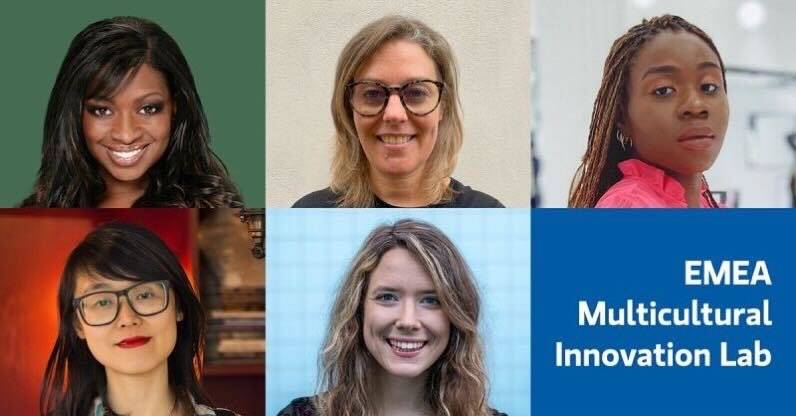
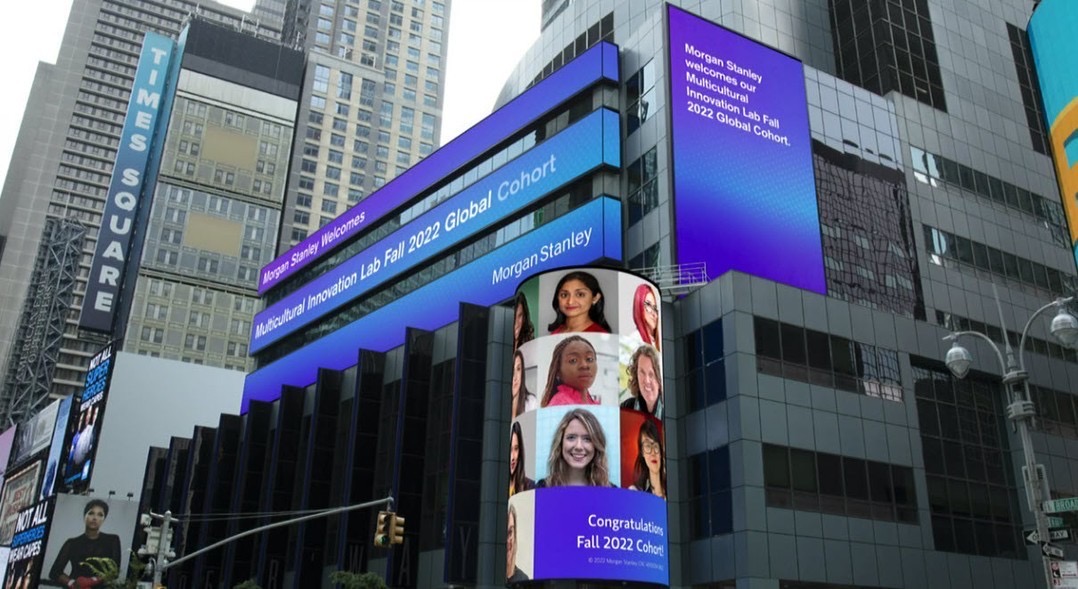
Solving the funding gap lies at the core of Morgan Stanley's Multicultural Innovation Lab. The MCIL was first launched in the US in 2017 and expanded to include founders in Europe, the Middle East, and Africa (EMEA) in 2021. The lab invests in early-stage, high-growth tech, and tech-enabled companies with diverse founders. So far, the lab has hosted 59 start-ups that have raised over $150 million in additional funding.
AMAKA: Why did Morgan Stanley create the Multicultural Innovation Lab?
Sanghamitra Karra: The roots of Morgan Stanley’s MCIL started as far back as 2014 through our Multicultural Client Strategy group within the firm. The MCIL is about the commercial aspect of connecting the capital with multicultural founders or ethnically diverse founders. The launch of the lab was based on research that showed that at the early stage where scaling up is happening, diverse founders, whether they are women or ethnically diverse founders, do not get enough capital for them to grow, and the findings of the research was the inception of how the lab started.
We have been running the programme in the US since 2017, and have supported about 59 companies. In addition, the lab expanded to the EMEA regions in 2021 to promote financial inclusion in other regions. Going the multicultural route for us was not all of a sudden. Instead, it was part of a broader strategy to level the playing field and address inequities in funding multicultural and women-led startups.