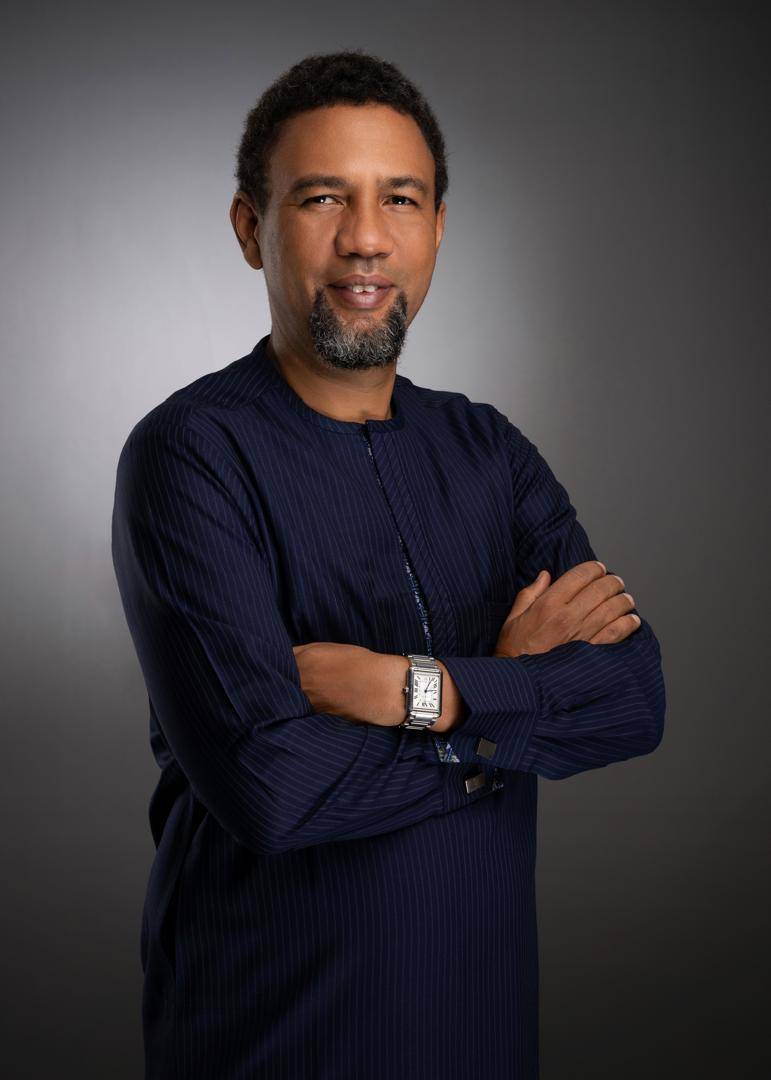
Iyinoluwa "E" Aboyeji, the co-founder of two major African unicorn companies, Andela and Flutter wave, shared his strategic journey and vision for empowering the Global South during an episode of The Upwind Podcast, broadcast live "from the heart of Bridgetown Barbados". Aboyeji’s conversation detailed how persistence and an expansive mindset, reminiscent of sailing "into the wind" against resistance, were necessary to achieve ambitious goals. He firmly rejected the notion that African founders should restrict themselves to building "gazels" or "zebras," asserting that "if the Americans are building unicorns, I don't see any reason why we can't".
Aboyeji established his first unicorn, Andela, to transform Africa's challenge of high youth unemployment (around 40%) into a "global business opportunity" by creating a remote work business. Andela aimed to "import another economy over the internet" by enabling young Africans to take jobs left open by aging populations in places like the U.S. and Europe.
Flutter wave, his next venture, was even more intentional, designed to "prove that an all-Nigerian team could build a billion-dollar company," a goal which is now a "settled matter". This success proved that local founders could build "important businesses," shattering the previous perception that such achievements required a foreigner, as was the case with Jumia (founded by a German incubator) or M-PESA (founded by a multinational telecom and a non-Black Kenyan).
Related article - Uphorial Shopify

After addressing the talent side (Andela) and the global payments crisis (Flutter wave), Aboyeji founded Future Africa, a fund and platform dedicated to backing entrepreneurs who transform the continent's major problems—poverty, war, disease—into "huge opportunities". A physical manifestation of this vision is E-Tana, a half-a-billion-dollar development in a 2,000-hectare free zone in Lagos, Nigeria. E-Tana is designed to serve as a self-contained Silicon Valley, providing critical infrastructure (24/7 power, internet, housing) and, most importantly, a progressive legal and policy framework. This framework includes "no taxes" on companies, digital incorporation, and easier immigration processes, creating a replicable system that can be "drag and dropped to different jurisdictions" across the Global South.
This global perspective brought Aboyeji to Barbados, which he calls "the most strategic place on the planet that's not on the map". He views Barbados as "basically Dubai in 1995" for the Western Hemisphere. It is centrally located among the world's major black populations—including Africa, Europe, the Caribbean, and African Americans—and sits near the largest pool of global capital in the U.S. Aboyeji believes Barbados can become a digital and physical "entropot" for the Western Hemisphere.
To realize this potential, Aboyeji advised The Upwind Podcast listeners that the first step is to bring the "community together" and attract the right talent, because infrastructure alone will fail. Next comes policy development, which requires persistent work "with the system, not disrupt it". He cited his years-long effort in Nigeria to automate the physical filing of free zone incorporation papers, which became illegal this month—the first time since the law was created 30 years ago. Aboyeji concluded that transformation is a long-term "100-year march". Ultimately, he stressed that the key agent of change is the entrepreneur, and the "best bet you can make is betting on yourself".