During a routine drive to the grocery store in 2023, the popular health educator known as Aproko Doctor faced a sudden medical crisis that nearly cost him his vision. He noticed a persistent cloudiness in his left eye which he initially dismissed as dirty glasses, but the symptom worsened until he could see nothing through that eye except "plenty cloud".
After preliminary exams showed normal eye pressure and a clear retina, an MRI revealed the gravity of the situation: something—possibly a tumor or a swollen blood vessel—was pressing against his optic nerve, the critical pathway that sends electrical signals to the brain. This personal scare underscores a sobering global reality found in the sources: over 2.2 billion people suffer from vision impairment, yet in at least one billion of those cases, the damage was entirely preventable.
Understanding the eye requires viewing it as a high-tech camera system where light enters through the cornea and is regulated by the pupil and iris before being focused by the lens onto the retina. The retina contains specialized cells—rods and cones—that convert light into electrical impulses that travel via the optic nerve to the brain for interpretation. A crucial insight provided by the sources is that the retina and optic nerve cannot regenerate; unlike hair or skin, once these cells are destroyed, the loss of sight is typically permanent. This makes conditions like glaucoma particularly treacherous, as it is a "silent thief of sight" that increases eye pressure and destroys the optic nerve without providing early warning signs or pain.
Related article - Uphorial Shopify
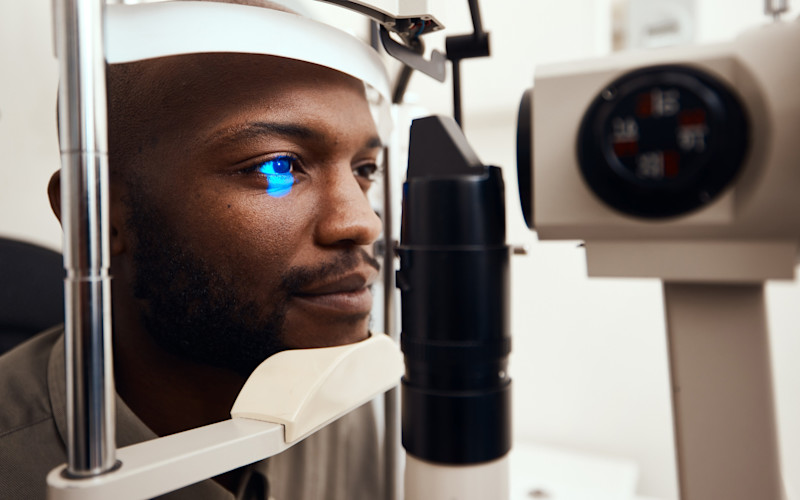
How I lost my eyesight!

The sources detail several other major threats to vision, including cataracts, where the lens becomes cloudy due to age, smoking, or excessive sun exposure, and Age-Related Macular Degeneration (AMD), which erodes the central vision necessary for recognizing faces and reading. Furthermore, diabetic retinopathy can cause tiny blood vessels at the back of the eye to leak or bleed, leading to permanent scarring if blood sugar remains uncontrolled. Despite these risks, many individuals "normalize" blurry vision or attempt dangerous DIY treatments with expired or unprescribed eye drops, rather than seeking professional help from an optometrist or ophthalmologist.
Protecting one’s sight is a multifaceted endeavor that involves regular eye screenings, managing systemic health issues like hypertension and diabetes, and quitting habits like smoking and excessive drinking. Practical daily habits are equally vital, such as wearing UV-protected sunglasses and hats to shield the eyes from harmful solar rays, avoiding the habit of vigorously rubbing the eyes, and using protective goggles in hazardous work environments. Ultimately, the sources advocate for a shift in perspective: vision is not a luxury but a necessity that requires consistent care and the quality nutrition found in fruits, vegetables, and fish.
To visualize the fragility of our vision, one might think of the eye as a complex, fiber-optic network lighting up a vast city; while you can replace a burnt-out streetlamp—the lens—if the main transmission cables or the central processing plant are destroyed, the entire city is plunged into a darkness that no amount of simple maintenance can ever truly repair.