DW The 77 Percent explores the stark yet beautiful contrast between a frosty German winter and the vibrant, communal heat of an African Christmas, bridging two worlds through the lens of identity and tradition. While European celebrations often center on snow, jingles, and the quiet glow of Christmas markets, host Rachel Nduati highlights that the African experience is defined by a visceral sense of togetherness that frequently dissolves neighborhood feuds and reunites long-separated families. Across the continent, this spirit of unity takes diverse forms: in the Gambia, massive Egire masquerade festivals fill the streets from Boxing Day to the New Year, while in sunny Cape Town and Durban, the holiday is traditionally spent at the beach. In Lagos, Nigeria, the season is famously known as "Dirty December," a high-energy period of concerts and street parties that injected over $71.6 million into the local tourism economy last year, proving that the urge to celebrate remains resilient even as inflation fluctuates.

Related article - Uphorial Shopify
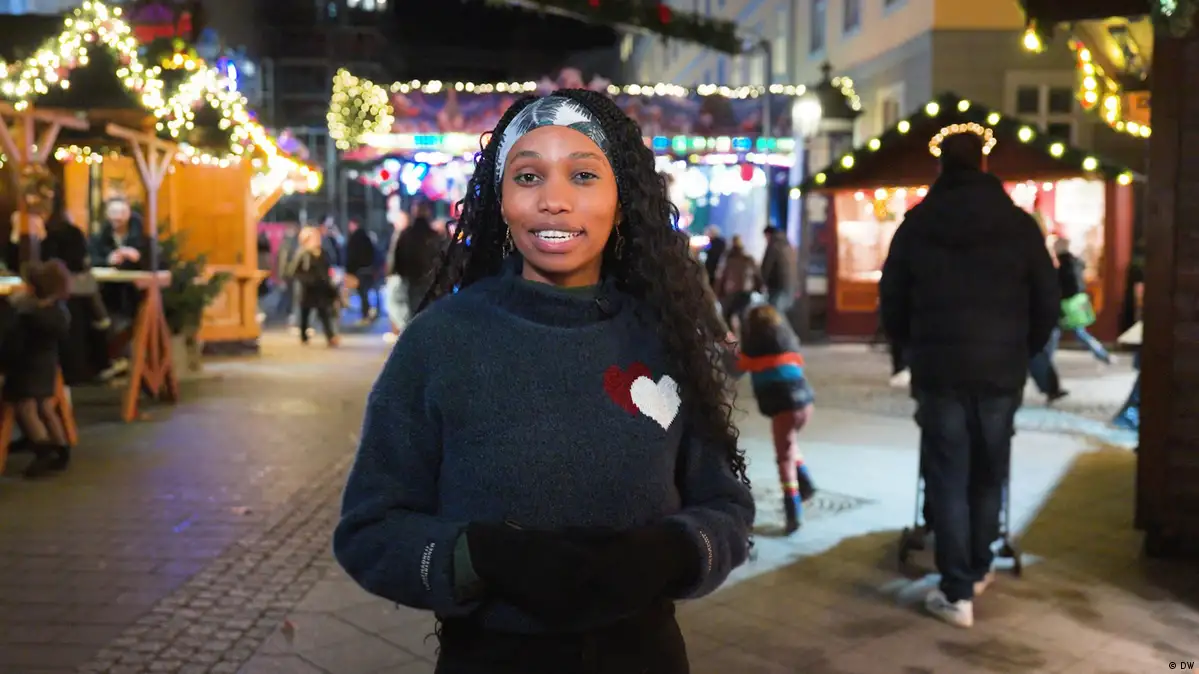
The program's investigation into the Cologne Afro Christmas Market reveals how Africans in the diaspora combat the loneliness of a European winter by creating their own "big family party". This initiative acts as a vital cultural bridge, allowing Afro-Germans to showcase black-owned businesses and traditional crafts such as handmade leather backpacks. Culinary traditions play a central role in these gatherings; for instance, the Ethiopian stand offers traditional coffee—a nod to the country's unique celebration of "Ganna" on January 7th. Ethiopian cuisine itself emphasizes the communal nature of the holiday through the practice of "Gusha," where individuals physically feed one another as a gesture of friendship, sharing spicy stews like Doro Wat on large platters of sourdough injera.
Beyond the food and festivities, DW The 77 Percent examines the figure of Jesus across a broad religious spectrum, acknowledging that while Christians celebrate him as the Savior, he is also revered in Islam as the prophet Isa and respected in Judaism as a historical teacher. This multifaceted view of "the reason for the season" underscores a universal human desire for belonging and community, whether expressed through wearing matching "Asho Ebi" clothes in Nigeria or sipping hot chocolate under a German tree. Ultimately, the show documents a global celebration that is less about the weather and more about the "sacred" energy of the streets and the enduring strength of the African youth who continue to shape the continent's cultural narrative.
To understand the difference between these celebrations is to see the holiday as a global patchwork quilt; while each square uses different fabrics—some the heavy wool of a European winter and others the bright cotton of an African summer—they are all stitched together by the same universal thread of family and faith.