The modern travel experience is frequently presented as a seamless digital journey, yet the reality behind the booking interface is often far more complex. As global tourism rebounds, industry experts are pulling back the curtain to reveal that the difference between a disastrous vacation and a transformative stay often hinges on a traveler's ability to navigate the unspoken rules of the hospitality ecosystem. In an era where digital deception is increasingly sophisticated, the most reliable strategy remains a return to human-centric planning and a sophisticated understanding of how hotels actually function.
The first line of defense against the pitfalls of modern travel is an aggressive commitment to verification. Suspiciously low rates, often found on obscure third-party platforms, are frequently the hallmark of non-existent inventory. Experts emphasize that if a confirmation number does not materialize within the hotel's internal system almost immediately, the reservation may be a phantom, leaving the traveler stranded. The advice is unequivocal: book directly through the hotel’s official website. This singular habit not only ensures that the reservation is legitimate but also establishes a direct line of communication with the property, which is essential for managing expectations and securing genuine value.
Beyond the initial booking, the travel experience is shaped by the quality of communication established long before arrival. A prevalent myth in travel culture is that requests for room upgrades or special amenities should be made at the check-in desk, where the leverage is lowest. In reality, experts recommend reaching out to the hotel days or weeks in advance. For those celebrating milestones, a brief, thoughtful inquiry can turn a standard check-in into a curated experience. This aligns with the "kindness economy" of hospitality; engaging with staff as human beings—rather than viewing them merely as logistics personnel—is a strategy that yields dividends. Kindness, combined with clear communication of needs, allows staff to advocate for the guest’s comfort, often unlocking value that isn't advertised on any booking portal.One of the most critical, yet poorly understood, aspects of hotel operations is the strategy of overbooking. Hotels operate on a delicate inventory balance, and they often intentionally overbook to account for last-minute cancellations. For the traveler arriving late in the day, this practice is a significant risk. Calling ahead to confirm a late arrival is not just a polite gesture; it is an essential act of self-preservation. A simple phone call can move a guest from the "at-risk" list to a guaranteed priority, preventing the frustration of being "walked" to a lower-tier property due to lack of space.
:max_bytes(150000):strip_icc()/TAL-hotel-concierge-CONCIERGEMAGIC0626-5a1b6951b0db4d57be1ec5facec42c71.jpg)
Related article - Uphorial Shopify
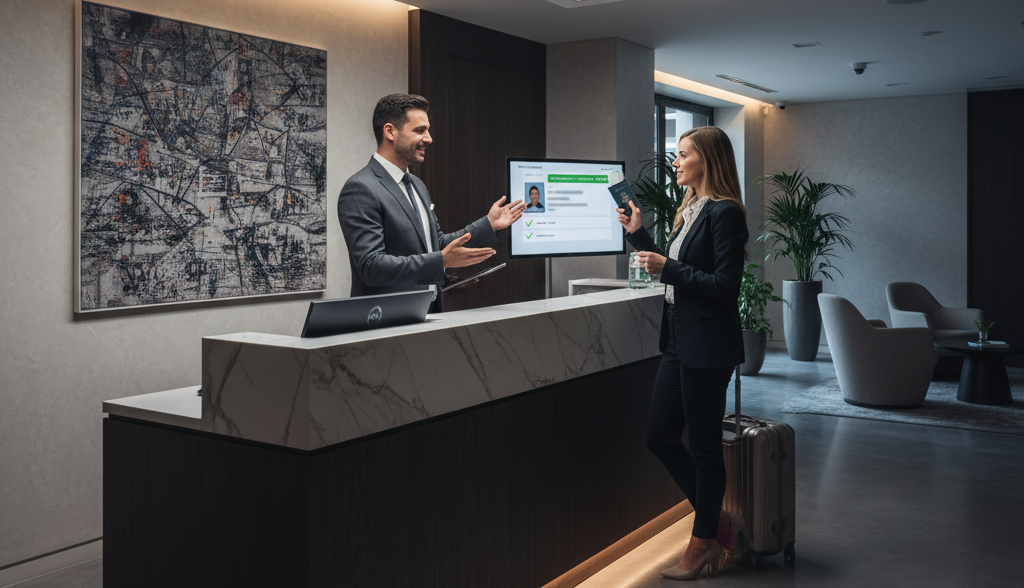
For travelers who aspire to move beyond standard accommodation, the concierge remains the most underutilized asset in the industry. While the front desk is tasked with the mechanics of the stay—room assignments, check-out times, and billing—the concierge is the architect of the experience. They are the gatekeepers to local culture, specialized dining, and hard-to-access events. However, mastering the concierge relationship requires understanding the "Two-of-Three" rule. To successfully navigate a challenging request, a guest generally needs to provide two of the following: a sufficient budget, significant lead time, or the right connections. Approaching a concierge with a request for a sold-out show, a last-minute table at a Michelin-starred restaurant, or a custom event requires this strategic alignment. By recognizing the concierge as a collaborator rather than a transactional service provider, the guest elevates their trip from a mere stay to a curated immersion.
The ultimate value of these professional insights is underscored by the emotional resonance of the human connection at the heart of the industry. The most memorable hotel stays are rarely about the thread count of the linens or the aesthetic of the lobby; they are about the moments where staff transcend their job descriptions to solve an acute human problem. Experts share stories of concierge teams racing to retrieve lost photo albums from airport terminals and sourcing professional performers to curate surprise holiday moments on a few hours' notice. These anecdotes are not merely tales of excellent service; they are evidence of the deep, often invisible, work that transforms a building into a sanctuary.
As travelers move forward into a year of global exploration, the takeaway is clear: the most effective way to protect oneself from the volatility of the industry is to act with intelligence, patience, and transparency. By prioritizing direct booking, cultivating relationships with hotel staff, and understanding the strategic leverage of the concierge, the modern traveler can reclaim agency over their journey. The hotel experience should be framed not as a passive transaction, but as a collaborative effort. When managed with precision and a clear understanding of the hospitality landscape, travel ceases to be a series of logistics and becomes a series of meaningful, human-centered moments. Whether navigating the complexities of overbooking or planning an intricate, bespoke celebration, the guest who plans with strategic intent is the one who ultimately finds the true value of their stay.