Space is the ultimate currency in Hong Kong, a city where the glittering high-end lifestyle of $4,000-a-month micro-apartments exists just streets away from boarded-up "coffin homes" stacked twenty to a room. Investigative journalist and filmmaker Andrew Fraser explores this insidious crisis, revealing a landscape where 7.5 million people are squeezed into just 25% of the land. This "artificial scarcity" is a system by design; the government owns nearly all the land and releases it in small, controlled batches to maximize revenue, as land premiums and stamp duties fund approximately 30% to 40% of the total government income. Consequently, the housing market is optimized for maximizing price per square foot rather than livability, forcing the city's poorest into ever-shrinking boxes.

Related article - Uphorial Shopify
Hong Kong’s Coffin Home Crisis (It’s Getting Worse)
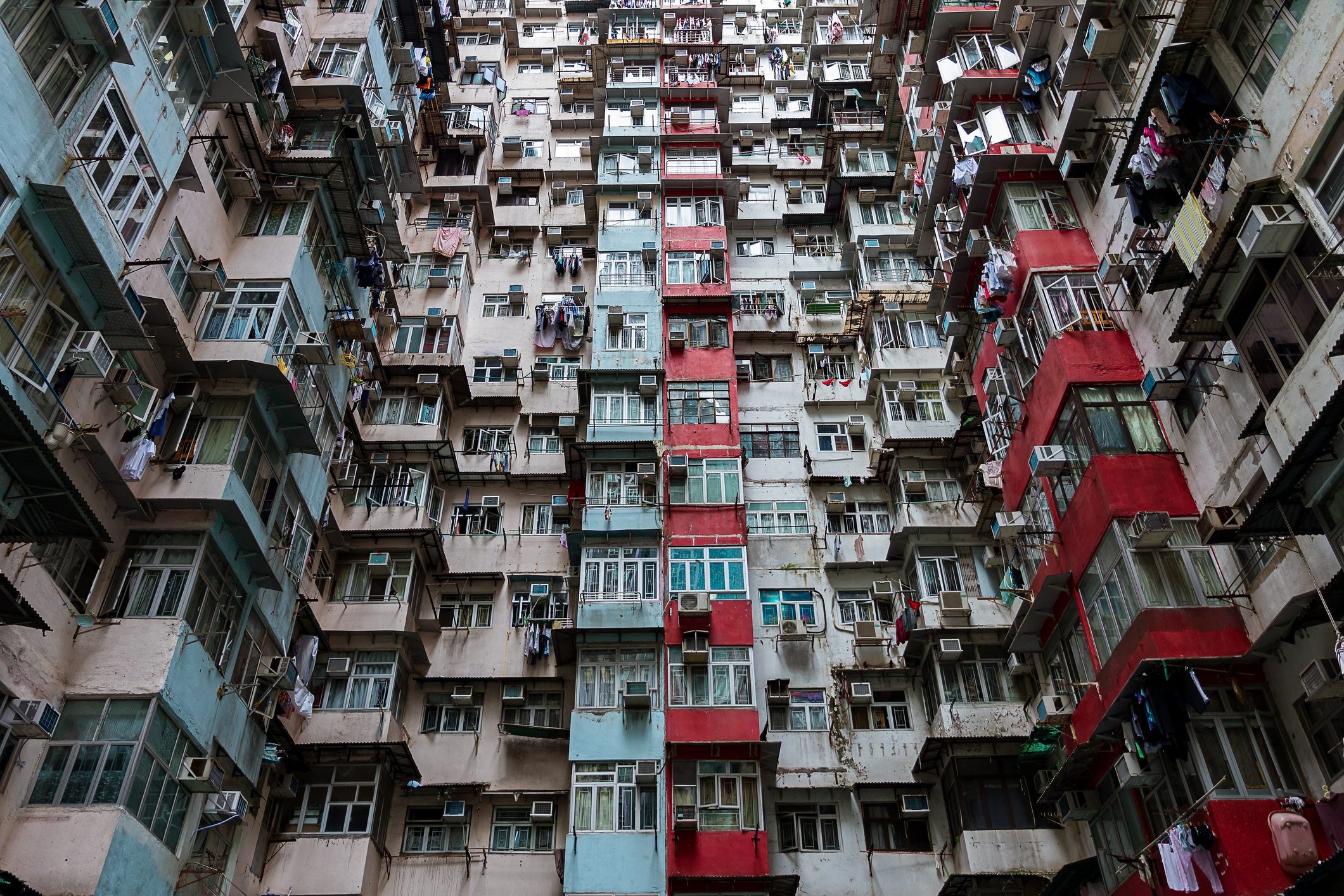
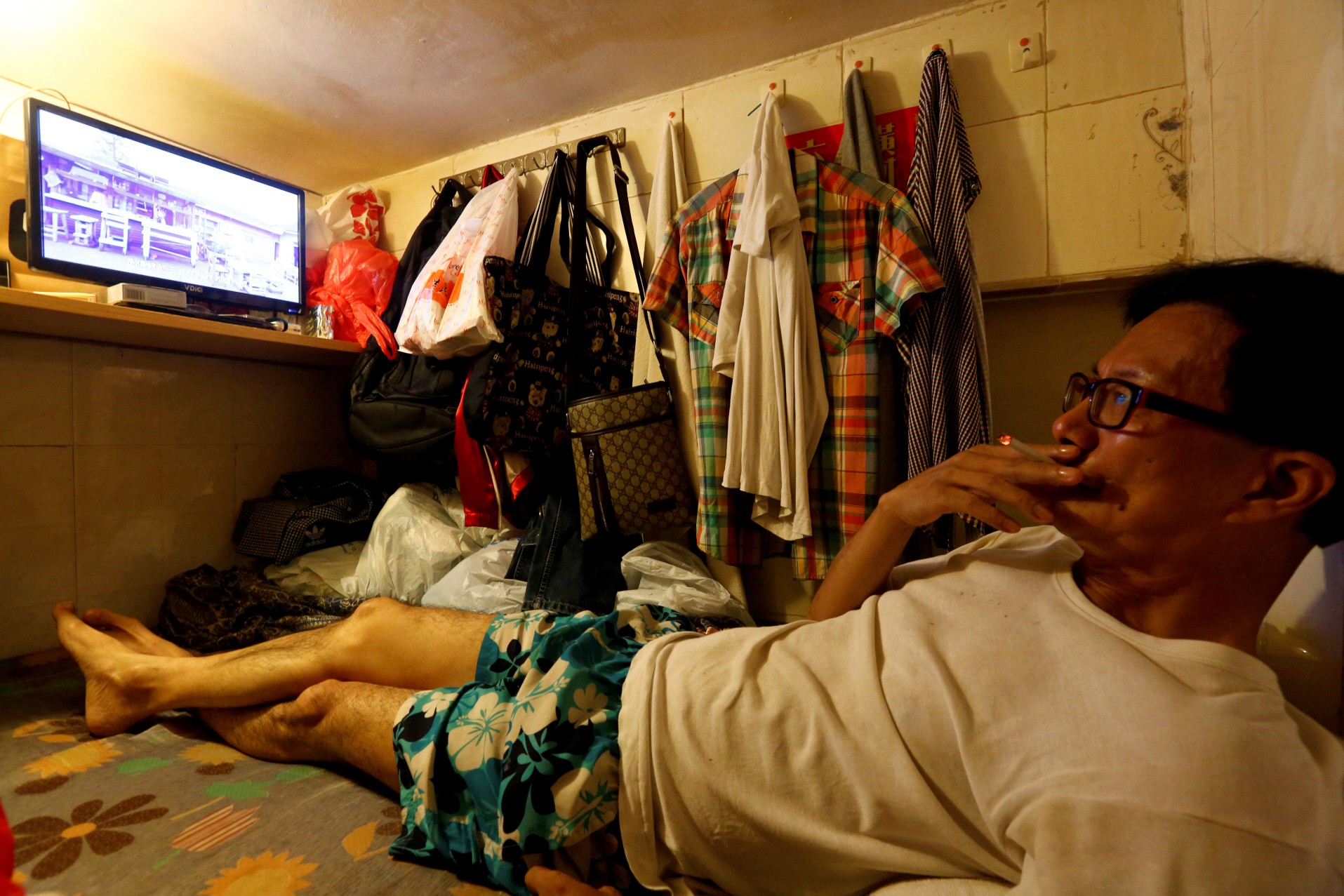
The human toll of this policy is evident in the subdivided units (SDUs) where residents like CeCe engage in a daily game of "human Tetris", sacrificing personal dignity and privacy so her daughter can escape the academic pressures of mainland China. Beyond legal SDUs, the city's "gray zone" includes illegal factory floor conversions where elderly residents like 77-year-old Ms. Su live in plasterboard boxes without ventilation or fireproofing. Landlords are heavily incentivized to subdivide these units because the profit margin from cramming twenty people into a single apartment at $350 each creates a "no-brainer" for those willing to exploit the desperate. This has led to the emergence of surreal housing solutions, from maintenance floors with dangerously low ceilings to retired airport pod hotels repurposed as permanent residences.
While organizations like Soo provide essential aid, such as winter jackets and food to those in vertical slums, the broader hope for many remains the public housing system. However, even with 3.5 million people already in state-supported shelter, the average wait time is 5.5 years, and for someone like Ms. Su, the reward for an eight-year wait is a 30-square-meter flat shared by five people. Despite the grim reality of these "cages," Fraser—who was born in Hong Kong 40 years ago—maintains a sentimental soft spot for the city. He concludes his investigation with a plea for the future, hoping that this "unbelievable city" can find a way to keep providing its residents with a fair chance at a great start rather than trapping them in a cycle of survival.