LOS ANGELES – In the vast, shifting landscape of Hollywood comedy, few names carry the same weight of cultural resonance and familial legacy as Wayans. For Marlon Wayans, the comedy icon whose career has spanned over three decades, the craft of making people laugh is not merely a profession—it is an inherited language, a survival mechanism, and a deeply spiritual commitment. In a recent, expansive reflection on his life, his work, and the weight of his own history, Wayans has offered a window into the evolution of a man who has managed to remain at the cutting edge of entertainment while navigating the profoundly personal trials that define the human condition.
His origins, as he recounts, are rooted in a household that functioned as a training ground for greatness. Growing up with siblings like Keenen, Damon, and Shawn, Wayans was immersed in an environment where humor was the primary currency. He credits his parents—a hilarious, creatively boundless mother and a steadfast, God-fearing father—for shaping not just his comedic timing, but his formidable work ethic. This foundation provided the emotional precision required to observe the absurdities of daily life and translate them into art. It was in the friction of that household—the competition, the support, and the constant, rapid-fire creativity—that the "Wayans flavor" was born, a distinct comedic signature characterized by its inclusivity, its playful spirit, and its underlying commitment to bringing people together through laughter.

Related article - Uphorial Shopify
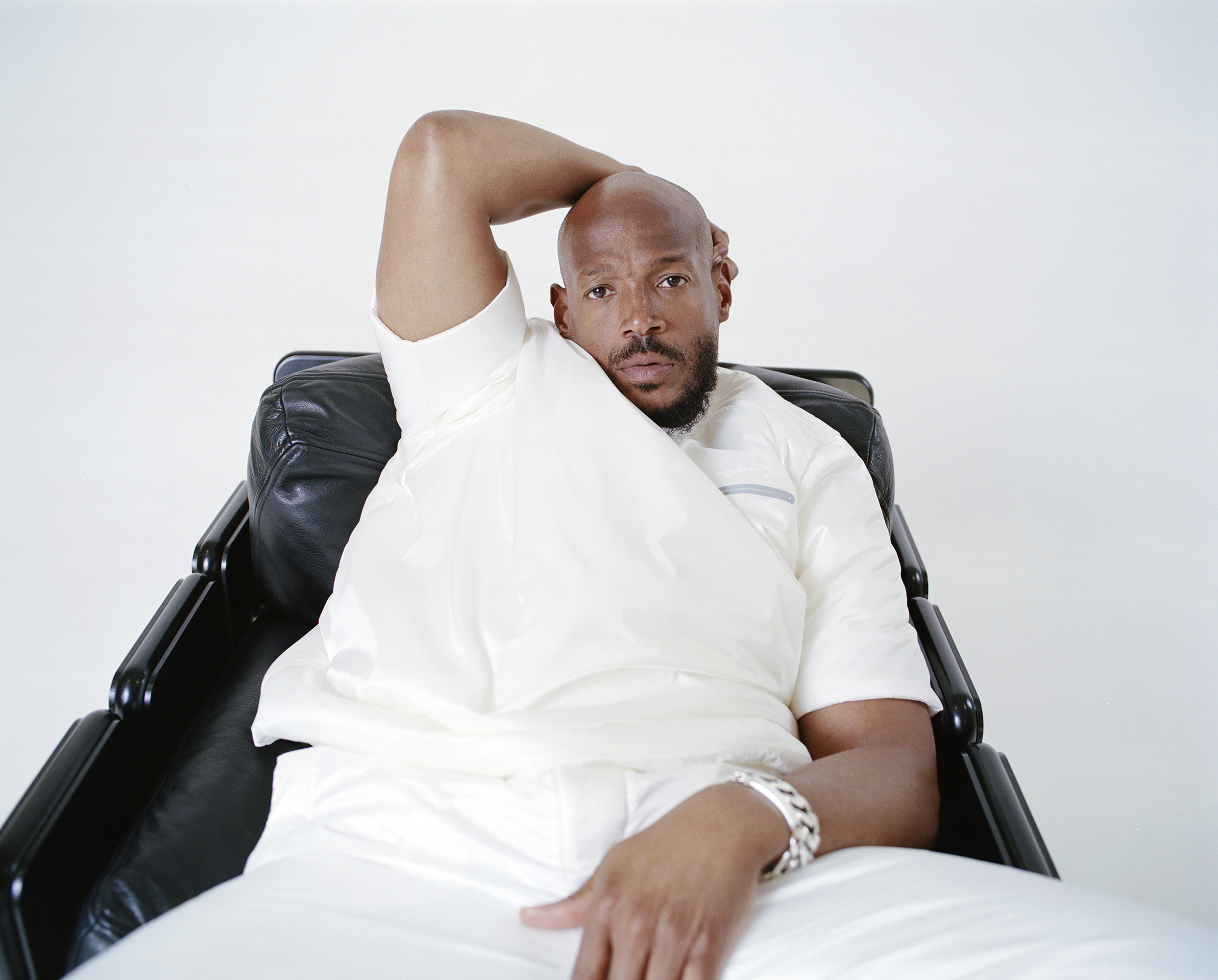
The most anticipated chapter of his current trajectory is the return to the Scary Movie franchise, a series that defined the spoof genre for an entire generation. After a long hiatus, Marlon is back at the creative helm alongside his brothers for a new installment scheduled for release in June 2026, a reunion that serves as much as a homecoming as it does a strategic business move. He describes the return with a poignant honesty: it was motivated by a desire to honor his father’s dying wish for him to collaborate with Shawn again, a directive that elevated the project from a mere sequel to a sacred family mission. For Marlon, this is not about rehashing old jokes; it is about reclaiming the tone that was lost when the franchise drifted away from the family’s singular vision. It is a transformational framing of the "legacy sequel," where the goal is to infuse the current landscape of horror with the original, gloves-off comedic energy that made the brand a global phenomenon. Yet, Marlon’s artistic philosophy extends far beyond the slapstick. He views his comedy through a lens of intellectual rigor, comparing his style to the timeless, kinetic energy of Looney Tunes. This approach requires constant study and a deep respect for the audience—an intelligent curation of tropes, satire, and observations that can dissect the cultural zeitgeist without alienating the viewer. He understands that at its best, comedy is an act of love. It is the ability to look at the world’s anxieties, its absurdities, and its darkest corners, and find a way to make them feel manageable, even relatable, through the release of a laugh.
Beyond the stage and the screen, Wayans is engaged in a profound process of personal evolution. He has set his sights on being a superstar who is trusted with diverse, heavy dramatic roles, an aspiration he pursues with the same tenacity that once defined his stand-up. He finds that drama is, in many ways, light years easier than comedy, because it provides a space to access and emote the deeper, jagged layers of grief and trauma he has processed throughout his life. Whether speaking about the collective loss of nearly 60 people in his inner circle within a three-year span or his journey as a parent to a trans child, Marlon’s transparency is striking. He does not hide behind the clown’s mask; he uses his platform to process his reality, offering a cultural understanding of resilience that resonates far beyond the screen. This depth is anchored by a spiritual foundation that serves as his daily compass. Wayans speaks openly of his morning rituals, which include listening to the Bible—a practice he finds vital for fostering forgiveness, maintaining a light heart, and navigating the inevitable pressures of celebrity. He describes this faith not as a passive comfort, but as an active tool, one that keeps him grounded and provides a sense of protection and guidance from his late parents. It is a testament to the idea that true success is not measured in box-office receipts or industry accolades, but in the ability to maintain one's peace and purpose in the face of life’s turbulence.
As Marlon Wayans looks toward the future—with a summer blockbuster on the horizon and a career that continues to defy the typical trajectory of a comic icon—he remains a man who is clearly walking in his purpose. He has moved from being a participant in a legacy to being an active guardian of it, demonstrating that it is possible to remain playful, sharp, and profoundly human all at once. Whether he is dissecting the latest horror trope or speaking candidly about his own spiritual growth, he maintains an authenticity that is rare in the high-pressure environment of Hollywood. In the end, his legacy is not just the laughter he leaves behind in the aisles, but the way he has used that laughter to bridge the gap between his own human experience and the lives of those who have followed his journey for over thirty years. He is, by all accounts, a man who has learned the ultimate lesson of the entertainer: that you can only make others feel if you are willing to feel yourself, and in doing so, you create a connection that outlasts the final cut of any film.