Professor Chris Lintott’s recent lecture at Gresham College serves as a poignant retrospective on fifty years of Martian exploration, a journey that began with the Viking probes and has since redefined our understanding of the fourth planet from the sun. Lintott dedicated his presentation to the engineers at NASA and the Jet Propulsion Laboratory, whose work has transformed Mars from a source of science fiction into a complex, "Earth-like" neighbor that shares a land area roughly equal to our own continents. This historical arc highlights a series of "postcards" from influential missions that have navigated the difficulties of the Martian atmosphere—which is too thin to act as a brake but thick enough to require more than just rockets—to reveal a world of 22-kilometer-high volcanoes and a solid iron core.
The exploration strategy eventually transitioned into a rigorous "follow the water" mandate, most notably through the Phoenix lander in 2008, which confirmed vast reserves of water ice in the Martian Arctic. This was preceded by the "robot geologists" Spirit and Opportunity, which survived years beyond their expected 90-day lifespans to find definitive evidence of ancient, long-lived lakes. While Opportunity discovered acidic conditions, Spirit’s investigation of the Comanche outcrop provided evidence of a warm, neutral-pH environment that existed four billion years ago—the exact kind of place where life could have comfortably originated. These findings emphasize the lesson that scientists go to Mars not because it is like Earth, but precisely because it is different, offering a unique mirror through which to study planetary evolution.

Related article - Uphorial Shopify
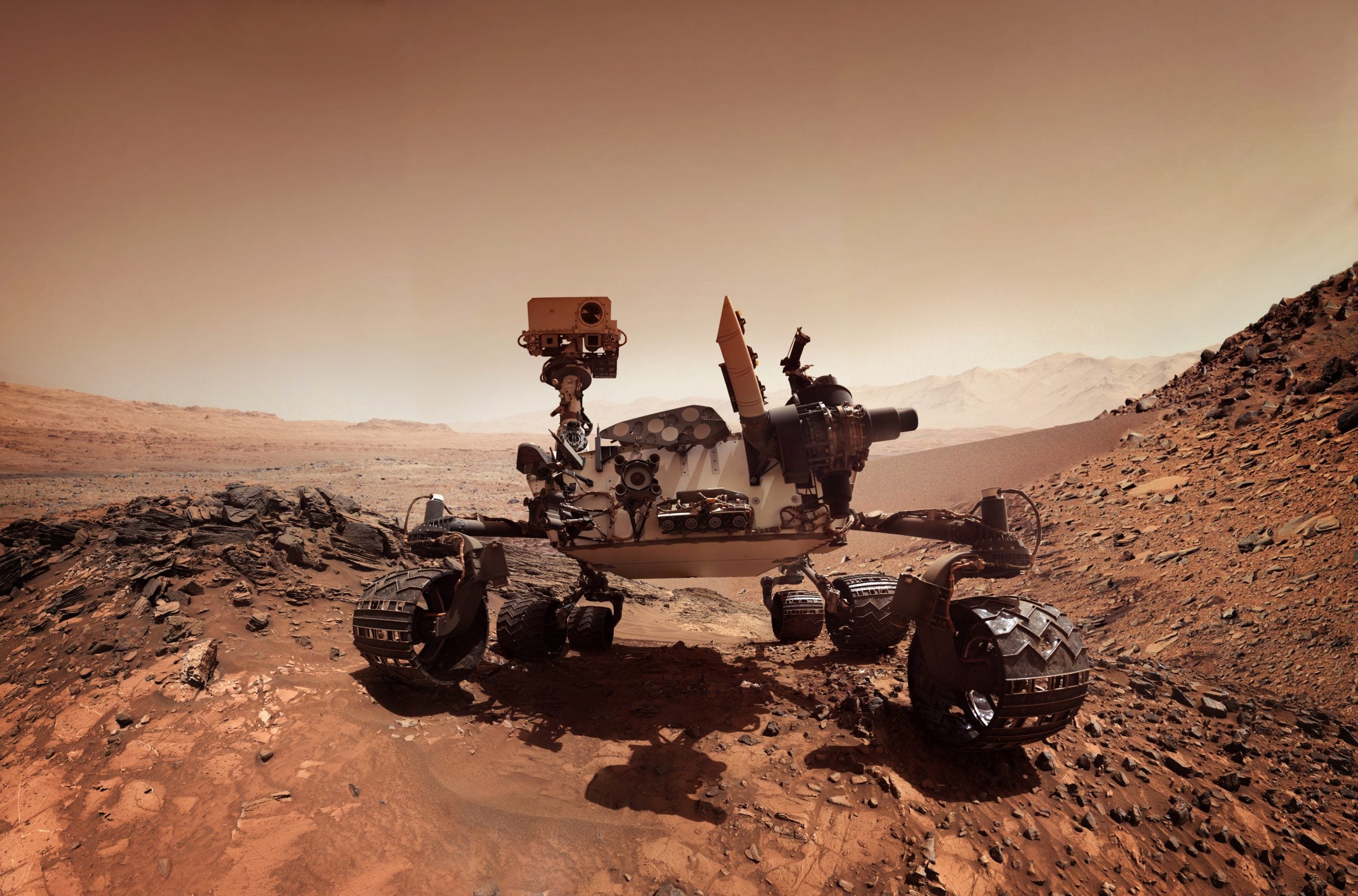
Modern missions have shifted from geological observation to sophisticated chemical and geophysical analysis. The car-sized Curiosity rover identified the essential chemical building blocks of life, though its detection of seasonal methane "burps" continues to baffle researchers, especially as the European Trace Gas Orbiter has found no evidence of the gas from above. Simultaneously, the Insight mission utilized sensitive seismometers—calibrated using the vibrations of church bells in Oxford—to detect "Mars quakes," proving that the planet remains geologically active and possesses a "lumpy" interior shaped by ancient cosmic bombardments. These missions have created a high-trust scientific environment where raw images are often available to the public in real-time, allowing millions to follow these voyages of discovery.
Today, the Perseverance rover represents the pinnacle of this 50-year effort, having already cached 33 titanium sample tubes in the river delta of Jezero Crater. These samples include intriguing "leopard spots," mineral patterns that on Earth would be considered clear indicators of bacterial life. However, Lintott warned his Gresham College audience that we are at a precarious tipping point; despite the scientific value of these time capsules, there is currently no funding or political will to retrieve them. Without a dedicated mission to bring these samples back to terrestrial laboratories, the most significant geological records in history may remain abandoned on the Martian surface.
Exploring Mars through these small, isolated landings is like trying to write the entire history of human civilization after visiting only ten random spots on Earth for a few miles at a time; we have gathered remarkable fragments, but the full story remains a puzzle waiting for its final, missing pieces to be brought home.