NEPAL - In the quiet, mist-shrouded peaks of rural Nepal, where the landscape is as much a character as the people who inhabit it, Australian filmmaker Kalani Gacon has crafted a work of profound emotional resonance. His 2024 short drama, Family Man, operates not merely as a narrative, but as a meditation on the persistence of memory and the way grief reshapes the architecture of a home. The film, which has earned critical acclaim on the global festival circuit—from the Melbourne International Film Festival to the prestigious Clermont-Ferrand—distills the human experience into a 17-minute window of unsettling beauty, proving that the most significant stories often reside in the spaces between words.
The premise of the film is deceptively simple: a storm descends upon a remote village, and in the chaos, a mysterious stranger finds refuge within the walls of a household long haunted by the disappearance of its patriarch. This stranger, however, is no mere transient figure; he is a catalyst. His lingering presence begins to act upon the family like a slow-moving tide, eroding the silence that has calcified around their loss and forcing them to confront the phantom of the father who vanished years before. Gacon employs a transformational framing here, moving the story away from a conventional mystery and toward a deeper, more somatic exploration of how we carry those who have left us. The house, once a site of stagnation, becomes a living repository of reawakened memories.
Behind the lens, Gacon brings a unique cultural understanding honed over years of living and working in Nepal. Since his teenage years, the Katoomba-born director has bridged the divide between his Australian roots and his adopted home in the Himalayas, working simultaneously as a social worker and a filmmaker. This dual identity is the bedrock of his intelligent curation; he does not look at Nepal as an outsider seeking exoticism, but as a collaborator committed to telling stories of "disappearing ways of life" and the frictions of a changing world. His trajectory—which began in the corridors of the Australian Broadcasting Corporation and wound through the high-budget sets of Hollywood productions like Riverdale and Disney’s Upside Down Magic—has left him with a technical proficiency that he now applies with deliberate, minimalist restraint.

Related article - Uphorial Shopify
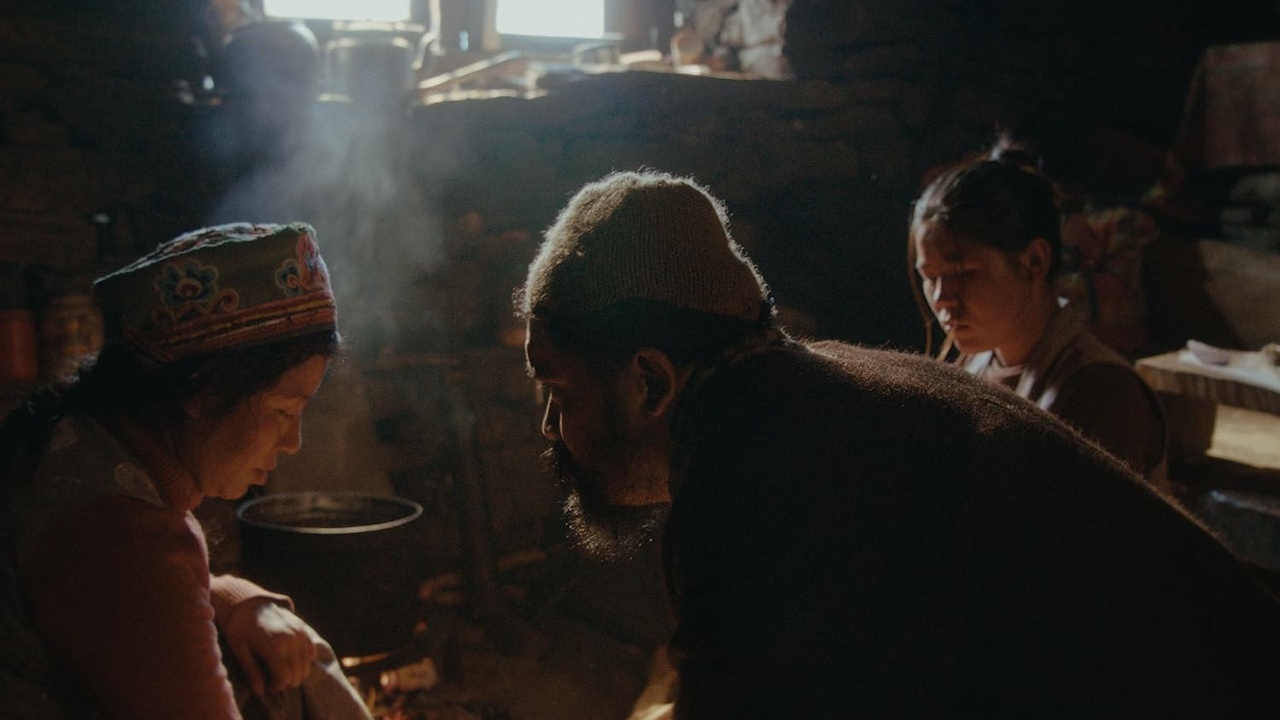
The strategic storytelling in Family Man reflects a career built on the belief that cinema can be a vehicle for actual change. Long before he turned his camera toward fiction, Gacon was utilizing film as a medium for social impact. His 2015 documentary Bhukampa saw him capturing the devastating Nepal earthquakes through the eyes of children, an effort that moved beyond the screen to drive tangible improvements in the lives of his young subjects. That commitment to the human element carries through to his current venture, the non-profit “Mountain of Youth.” Founded in 2022, this mentorship program in his Blue Mountains hometown is a testament to his belief in storytelling as a tool for transformation, teaching youth-at-risk that their own narratives have the power to define their futures.In Family Man, this ethos reaches a point of high emotional precision. The film refuses to provide easy catharsis or definitive answers, instead inviting the audience to sit with the discomfort of the unknown. It is a work that captures the essence of the "in-between"—the intersection of East and West, of presence and absence, and of the domestic routine and the inexplicable. By focusing on the intimate rituals of a family in crisis, Gacon elevates their plight to a universal scale. Whether it is the subtle shift in a mother’s gaze or the hesitant posture of a child, every frame is saturated with the weight of unspoken history.

As the film continues to garner recognition—most notably the Audience Choice Award at the Kathmandu International Mountain Film Festival—it stands as a poignant reminder of Kalani Gacon’s evolution as an artist. He has moved from the large-scale observations of the documentary form to the surgical, intimate precision of the short-form drama. In doing so, he has created a piece of art that is as elusive as the memories it seeks to stir. Family Man does not just tell us about grief; it forces us to feel the structural instability it causes within the heart. It is a masterful, haunting piece of filmmaking that confirms Gacon’s place as a vital voice in contemporary cinema, one who understands that to truly see a story, one must first be willing to step into the storm and wait for the light to catch the details.
The legacy of the work is already beginning to take shape, not just in the awards it accumulates, but in the way it recontextualizes the role of the filmmaker as both a record-keeper of cultural memory and a facilitator of individual healing. Through the lens of the "family man" who returns to disrupt the silence, Gacon has offered us a reflection of our own capacity for loss and, more importantly, our infinite capacity to be changed by the ghosts we choose to house. In a world that often demands noise, Gacon’s latest project is a brave, quiet act of rebellion, asserting that the most transformative journeys are those we take within the confines of our own four walls, guided by the stories we dare to remember.