NEW YORK - The trajectory of Curtis "50 Cent" Jackson from the platinum-selling apex of hardcore gangster rap to the upper echelons of Hollywood executive power is one of the most remarkable career metamorphoses in modern pop culture history. Long before he was greenlighting multi-show television universes, Jackson was simply a survivor of the South Jamaica, Queens asphalt, translating the brutal poetry of his lived experience into anthems that defined an era. Yet, true cultural visionaries are rarely content to conquer a single domain. In a candid, sweeping interview with GQ, Jackson peels back the curtain on his evolution from music icon to powerhouse film and television producer, offering a masterclass in strategic reinvention, creative survival, and the ruthless business acumen required to master an entirely new industry.
The foundation of his cinematic journey was laid in the fires of personal vulnerability with the 2005 semi-autobiographical feature Get Rich or Die Tryin'. Directed by legendary filmmaker Jim Sheridan and featuring mentorship from cultural titan Quincy Jones, the transition from recording booth to movie set was both a therapeutic breakthrough and a grueling trial by fire. Jackson reflects on the surreal, emotionally heavy experience of acting out a fictionalized version of his own near-fatal assassination attempt and turbulent past alongside industry veterans who demanded absolute emotional precision. Working under Sheridan’s intense direction forced him to strip away the impenetrable armor of his rap persona, teaching him that film required a different kind of bravery—one where psychological exposure was the price of admission.

Related article - Uphorial Shopify
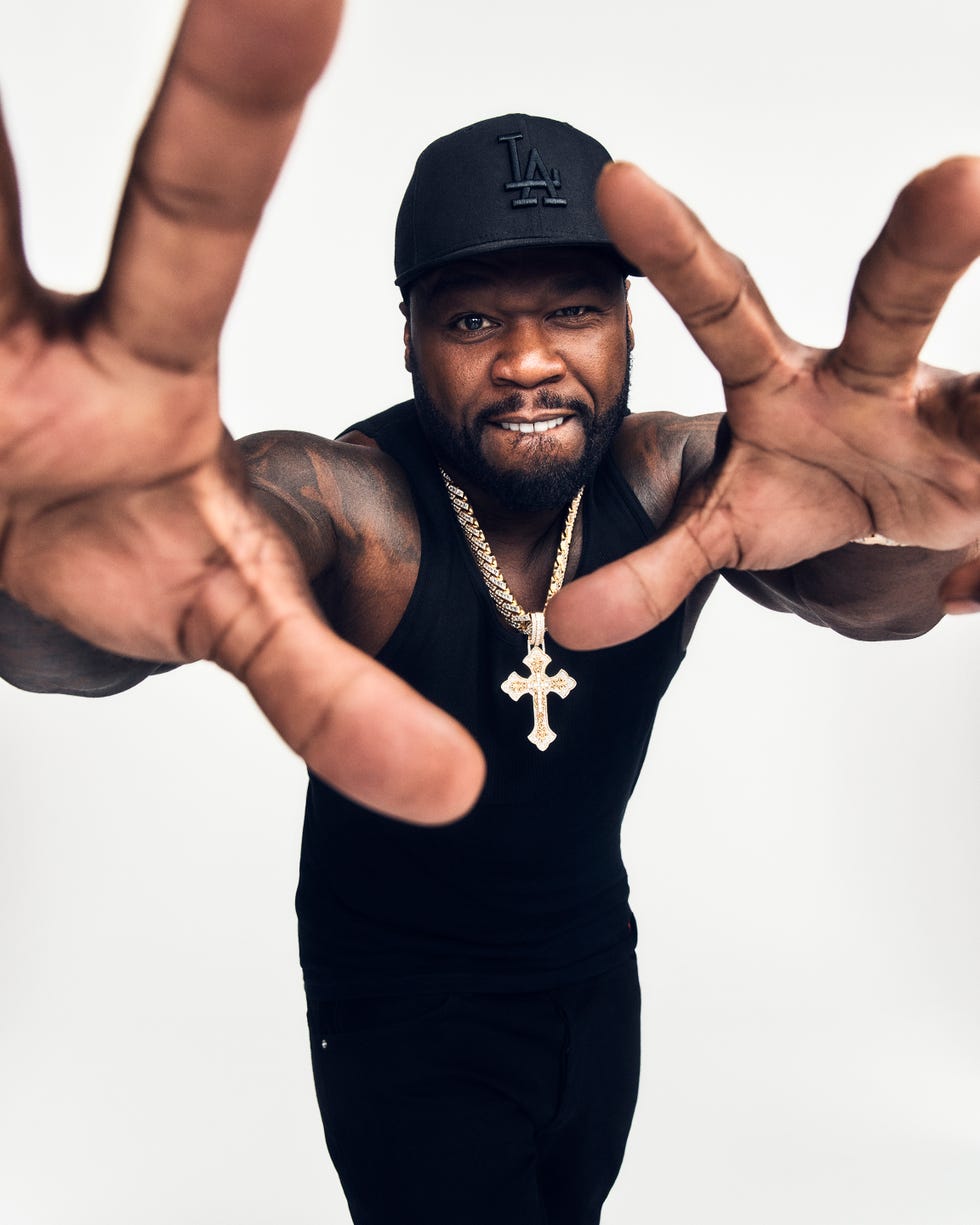
That foundational experience ignited a discerning eye for material, leading him to curate roles that challenged his range and placed him alongside elite cinematic talent. Discussing his involvement in the gritty heist thriller Den of Thieves, Jackson explains how a careful reading of the script immediately signaled a winning project, while simultaneously expressing early, prescient belief in co-star O'Shea Jackson Jr. as a future heavyweight star. Similarly, his transition into the world of high-stakes drama with Southpaw was forged through an authentic relationship with visionary director Antoine Fuqua. Drawing directly from his lifelong immersion in the boxing world—having promoted fighters and lived in the orbit of the sport's heavyweights—Jackson landed the role of Jordan Mains with a natural, grounded authenticity that moneyed Hollywood casting directors could never manufacture.
Yet, working on projects alongside living legends also served as a profound business education. Recalling his time on the set of Righteous Kill, Jackson highlights the invaluable experience of sharing screen space with cinematic royalty Robert De Niro and Al Pacino. Observing their legendary work ethics and understanding the mechanics of how major motion pictures are financed and packaged fundamentally shifted his focus. It was during this period that his ambitions expanded beyond merely acting in front of the camera; he realized that true power and generational wealth in Hollywood lay behind the scenes, controlling the intellectual property, the capital, and the production pipelines.
That strategic shift culminated in his domination of the television landscape with the culture-shaping hit series Power. Breaking down his multi-faceted role as both the menacing, complex character Kanan Stark and an active executive producer, Jackson details the high-stakes battles required to protect his creative vision. He offers an unvarnished look at the behind-the-scenes friction, including his passionate creative disagreements regarding the show's narrative direction and the protective treatment of its lead characters. Rather than acting as a silent, token producer, Jackson insisted on applying his street-level cultural understanding to ensure the storytelling remained raw, authentic, and uncompromisingly resonant with the core audience that built him.
Even when stepping into massive action franchises like Expend4bles, Jackson maintains a calculated, highly curated approach to his career, discussing his experiences working alongside legendary action stars while emphasizing his deliberate preference for focusing on high-impact roles that maximize his cultural footprint without diluting his brand. He understands that in the modern entertainment economy, an artist's time and energy are finite commodities that must be deployed with surgical precision to maintain momentum across multiple business verticals.
Looking toward the horizon in the latter half of the discussion, Jackson’s relentless entrepreneurial engine shows no signs of slowing down. He pivots effortlessly from his foundational roots as a musician to discuss his upcoming, highly anticipated docu-series investigating Sean Combs, demonstrating an ongoing commitment to uncovering institutional corruption and exploring complex power dynamics within the music industry. Furthermore, he shares insights into his upcoming UK-based television project, Fightland, and reflects on the eclectic, global nature of his film career, including his past experiences filming Street Fighter.Ultimately, 50 Cent’s journey from South Jamaica to Hollywood mogul stands as a transformational framing of modern celebrity and business evolution. Through intelligent curation of his career choices, strategic storytelling, and an unshakeable refusal to be boxed into a single category, he has proven that the same sharp instincts required to survive the streets can be leveraged to build a multi-media empire. By mastering the boardroom just as thoroughly as he once mastered the recording studio, Jackson has redefined what it means to be a cultural architect in the twenty-first century.