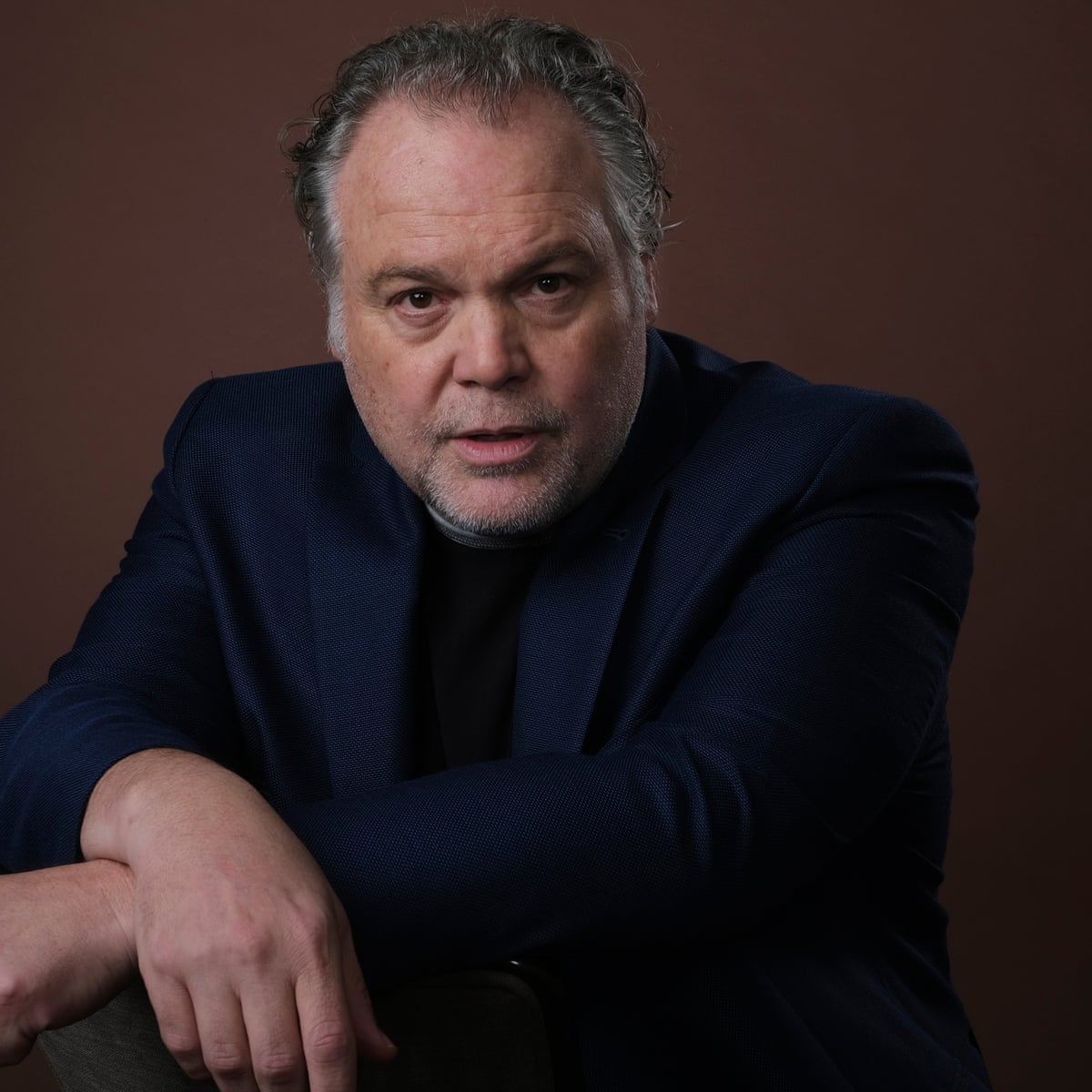
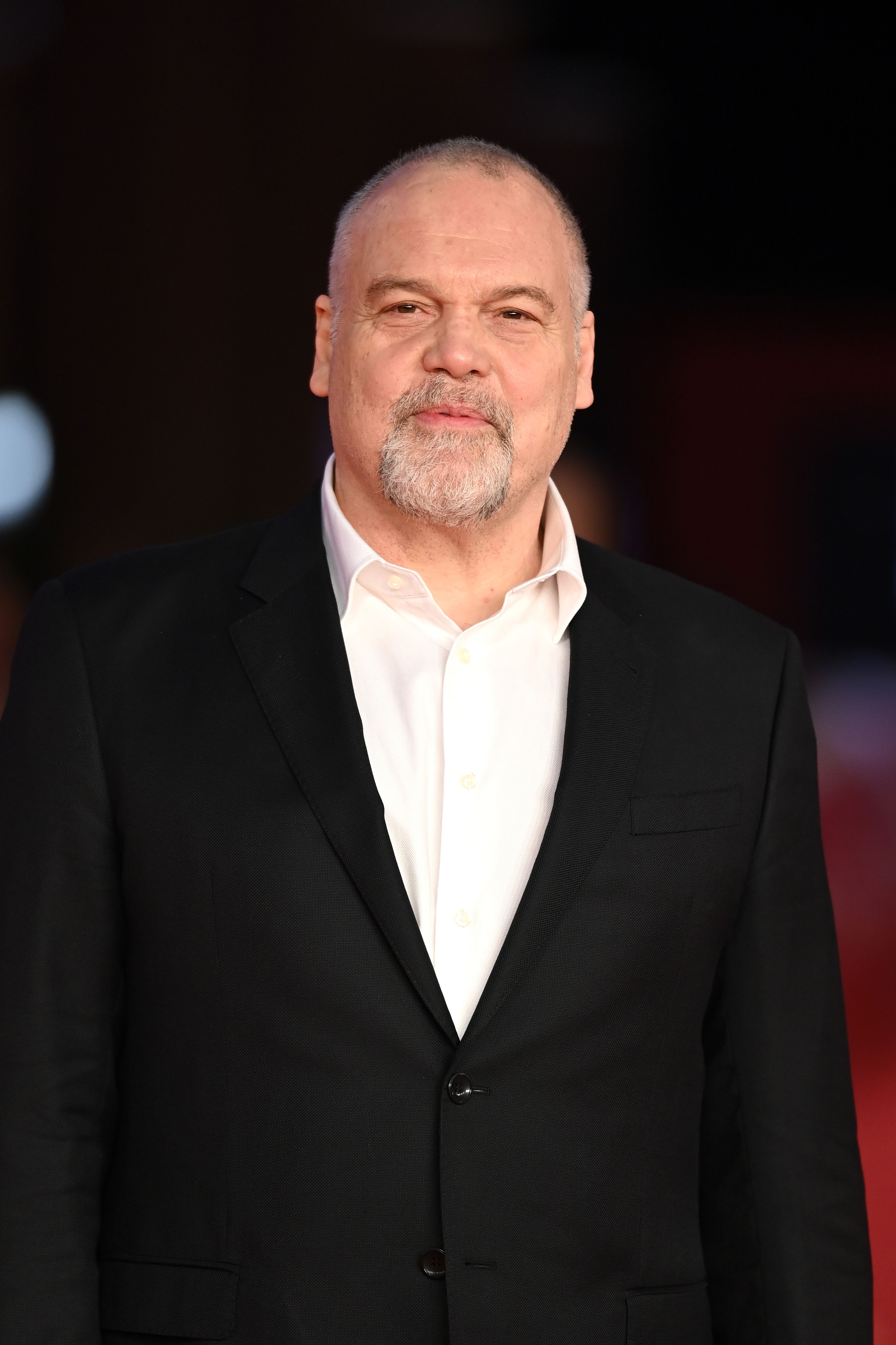
NEW YORK – The art of character acting has long been defined by the ability to vanish into a role, yet few performers have mastered this disappearing act as thoroughly as Vincent D’Onofrio. In a career-spanning reflection with GQ, the veteran actor provided a masterclass in the psychological and physical dedication required to inhabit some of cinema’s most complex figures. From the battle-hardened sets of Stanley Kubrick to the high-stakes world of the Marvel Cinematic Universe, D’Onofrio’s journey is not merely one of performance, but of profound transformation. His approach, often characterized by a rigorous, research-heavy methodology, reveals an artist who views every character as a puzzle of human emotion and physical constraint.
The foundation of D’Onofrio’s legendary reputation was laid on the bleachers of a military barracks in Stanley Kubrick’s Full Metal Jacket. Reflecting on his breakout role as Private Pyle, D’Onofrio credits Kubrick for the very trajectory of his career, describing the production as a practical, intense environment that demanded total commitment. It was during this time that he developed what would become the character’s most haunting feature: a specific, soul-piercing stare. This look, born out of a moment of isolation on the bleachers, became a signature element that signaled Pyle’s psychological descent. For D’Onofrio, the experience was a formative lesson in how a single physical choice could communicate the entire internal collapse of a human being.
This focus on the physical continued in one of his most transformative and unlikely roles: the "bug" alien inhabiting the body of a farmer named Edgar in Men in Black. To achieve the character’s unsettling, rigid physicality, D’Onofrio employed a DIY approach to acting, strapping on knee braces and utilizing paint sticks to restrict his movement and create a jerky, non-human gait. Perhaps most fascinating was the directorial relationship on set; he recalls working under a director who requested that the actor refrain from discussing his process or the character's motivations at all. This silence allowed the performance to remain purely instinctual and visceral, resulting in one of the most memorable antagonistic performances in the history of science fiction.
Related article - Uphorial Shopify
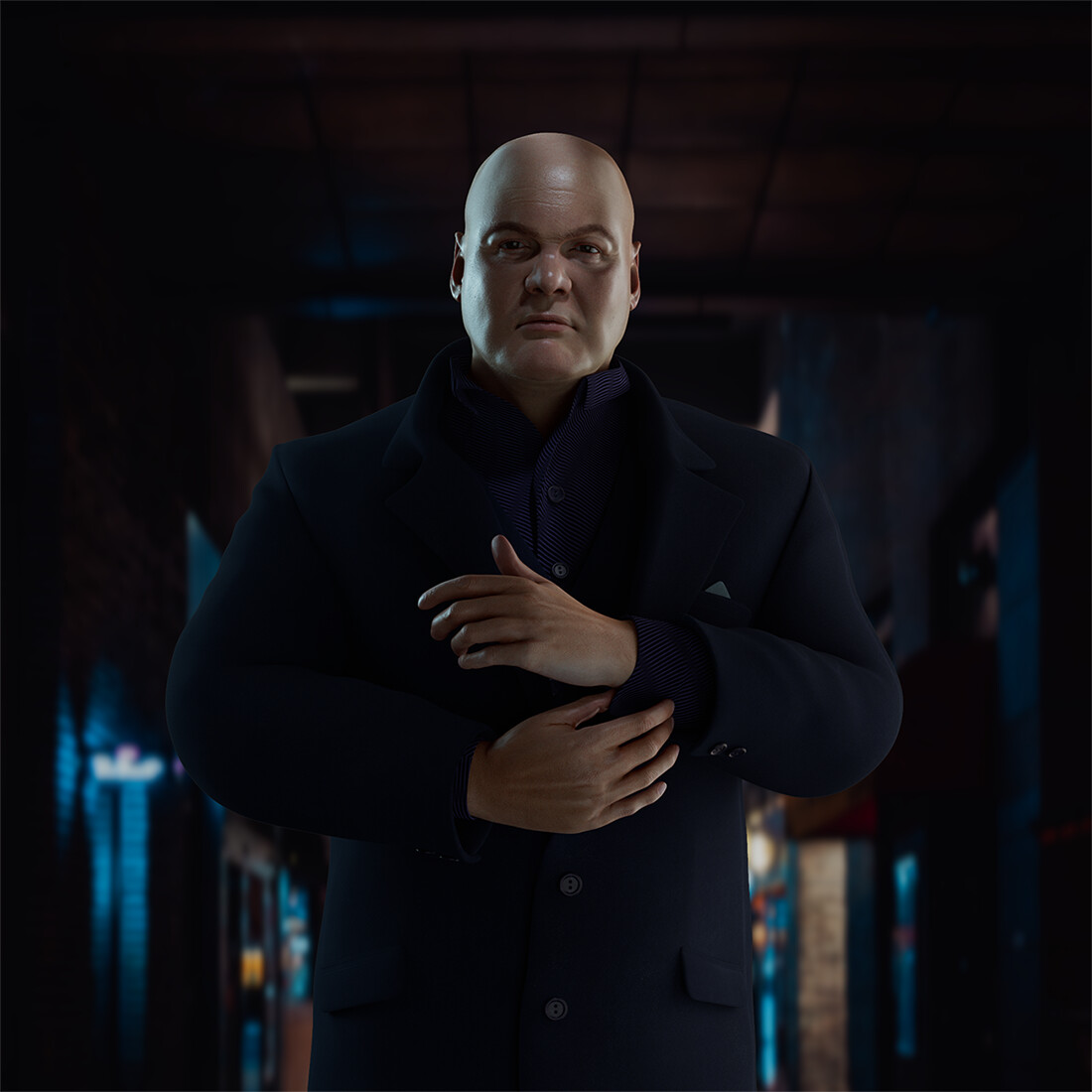
D’Onofrio’s ability to ground even the most heightened characters is perhaps best exemplified by his portrayal of Wilson Fisk, the "Kingpin" in Daredevil. He describes the character as a complex contradiction—simultaneously a terrifying "monster" and a vulnerable, emotionally stunted "big baby." D’Onofrio credits his collaboration with co-star Charlie Cox for keeping the superhero narrative grounded in genuine human stakes. His optimism regarding the character’s integration into the broader Marvel fold remains high, largely because he views Fisk not as a comic book villain, but as a deeply wounded man whose violence is an extension of his internal trauma.
The actor’s influence has even crossed the line from fiction into reality through his work as Detective Robert "Bobby" Goren on Law & Order: Criminal Intent. Despite a grueling production schedule that tested his endurance, D’Onofrio utilized sophisticated psychological techniques like "mirroring" to dominate the show’s iconic interrogation scenes. His performance was so convincing that it eventually caught the attention of real-life law enforcement officials. D’Onofrio recalls instances where professional investigators would approach him for advice on interrogation tactics, a testament to the technical precision he brought to a role that defined television procedural drama for a decade.
Even when playing part of an ensemble, as he did in the remake of The Magnificent Seven, D’Onofrio’s creative risks stood out. Portraying the mountain man Jack Horne, he decided to adopt a unique, high-pitched voice that initially made the production team nervous. Despite the early skepticism, the choice proved successful, adding a layer of eccentric humanity to the rugged character. He recalls the deep camaraderie formed on set with castmates like Denzel Washington, noting that the bond between the actors was essential to the film's gritty, Western spirit.
D’Onofrio’s career is further peppered with intense, niche performances that showcase his range. He reflected on the research-heavy approach required to play the psychological role of Carl Stargher in The Cell, a character that demanded a descent into a truly dark mental landscape. This stood in stark contrast to his experience working with Tilda Swinton in Thumbsucker, where the nuance of domestic drama allowed for a different kind of creative exploration. Whether he is playing a high-voiced frontiersman or a terrifying serial killer, the common thread in D’Onofrio’s work is a refusal to take the easy path. By embracing the "monster" and the "baby" in every role, he has secured his place as one of the most respected and unpredictable forces in modern acting. Given his unique ability to blend physical transformation with deep psychological research, which of his roles do you feel best showcases his versatility—the rigid alien in Men in Black or the emotionally complex Wilson Fisk?