NEW YORK – The cinematic slate of 2026 has crystallized into a period of remarkable artistic and industrial evolution, moving beyond the safe, franchise-heavy habits of the recent past toward a more nuanced, genre-defying landscape. As we reach the mid-point of the year, the current roster of film and television projects offers a compelling reflection of a changing culture—one that demands the spectacle of high-concept science fiction, the grit of character-driven war drama, and the psychological complexity of modern fantasy. This year has become a turning point where storytelling, fueled by both a resurgence of legacy intellectual properties and bold new voices, is actively reframing how audiences engage with the "event" film.
At the vanguard of this shift is the highly anticipated DC Universe series Lanterns, set to premiere on HBO and Max on August 16, 2026. Rather than relying on the traditional, expansive space-opera scale typically associated with the Green Lantern corps, Lanterns employs a strategic, grounded approach. By focusing on the mentorship and friction between the legendary Hal Jordan, played by Kyle Chandler, and the rising John Stewart, portrayed by Aaron Pierre, the series creates a police-procedural atmosphere that feels both visceral and intimate. It is an intelligent curation of the superhero genre, framing cosmic power through the lens of human responsibility, personal secrets, and the moral weight of maintaining order on a planetary scale.
The fantasy genre is simultaneously experiencing a massive revitalization with the arrival of Masters of the Universe. The feature film adaptation, which hits theaters on June 5, 2026, serves as a bridge between the cherished nostalgia of the 1980s and a contemporary visual language. By following Adam’s journey to embrace his destiny and wield the Sword of Power, the film taps into a universal archetype of growth and responsibility. The project demonstrates a clear cultural understanding of its audience, balancing the epic, mythic scale of Eternia with an ensemble cast that brings a grounded emotional precision to the high-fantasy stakes.

Related article - Uphorial Shopify

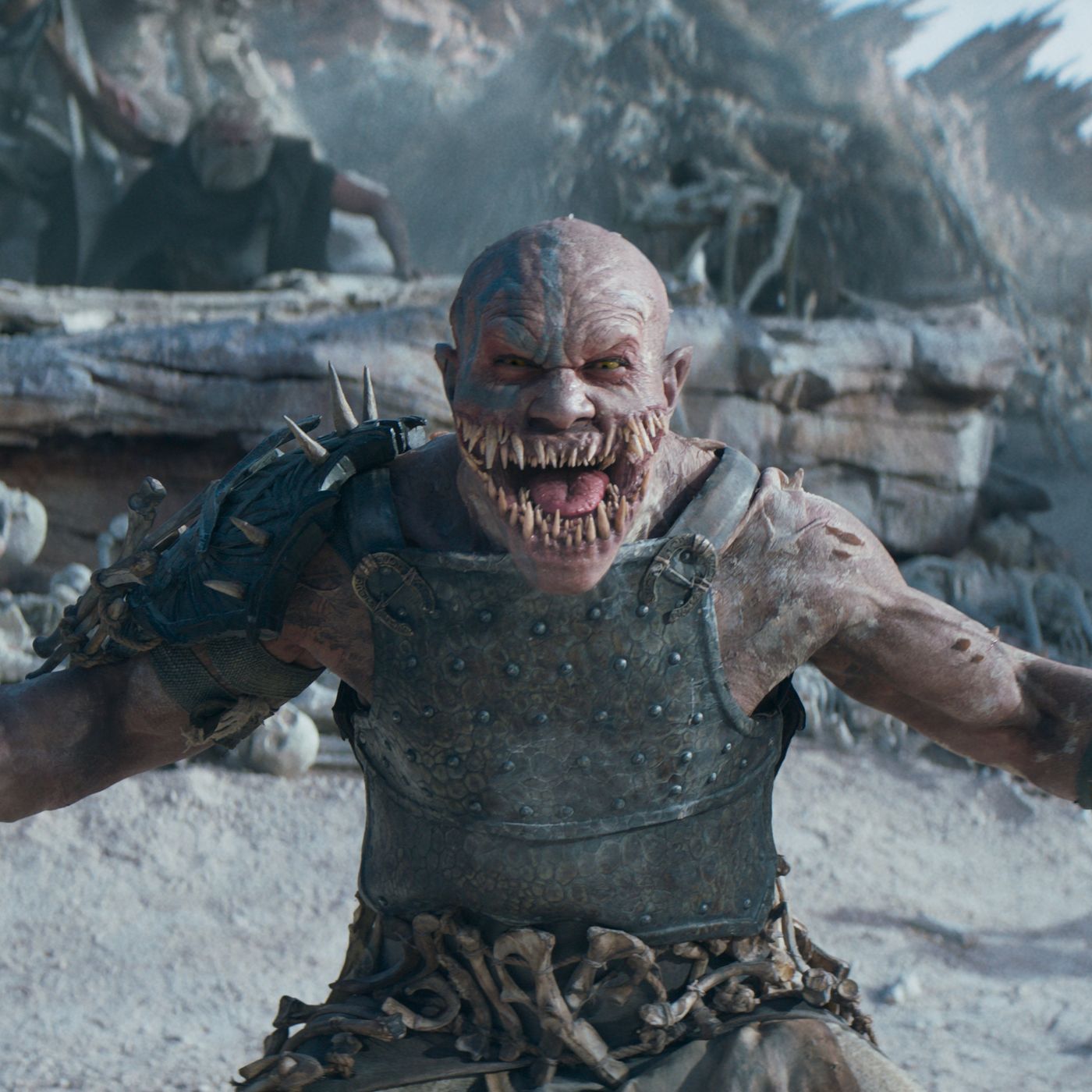
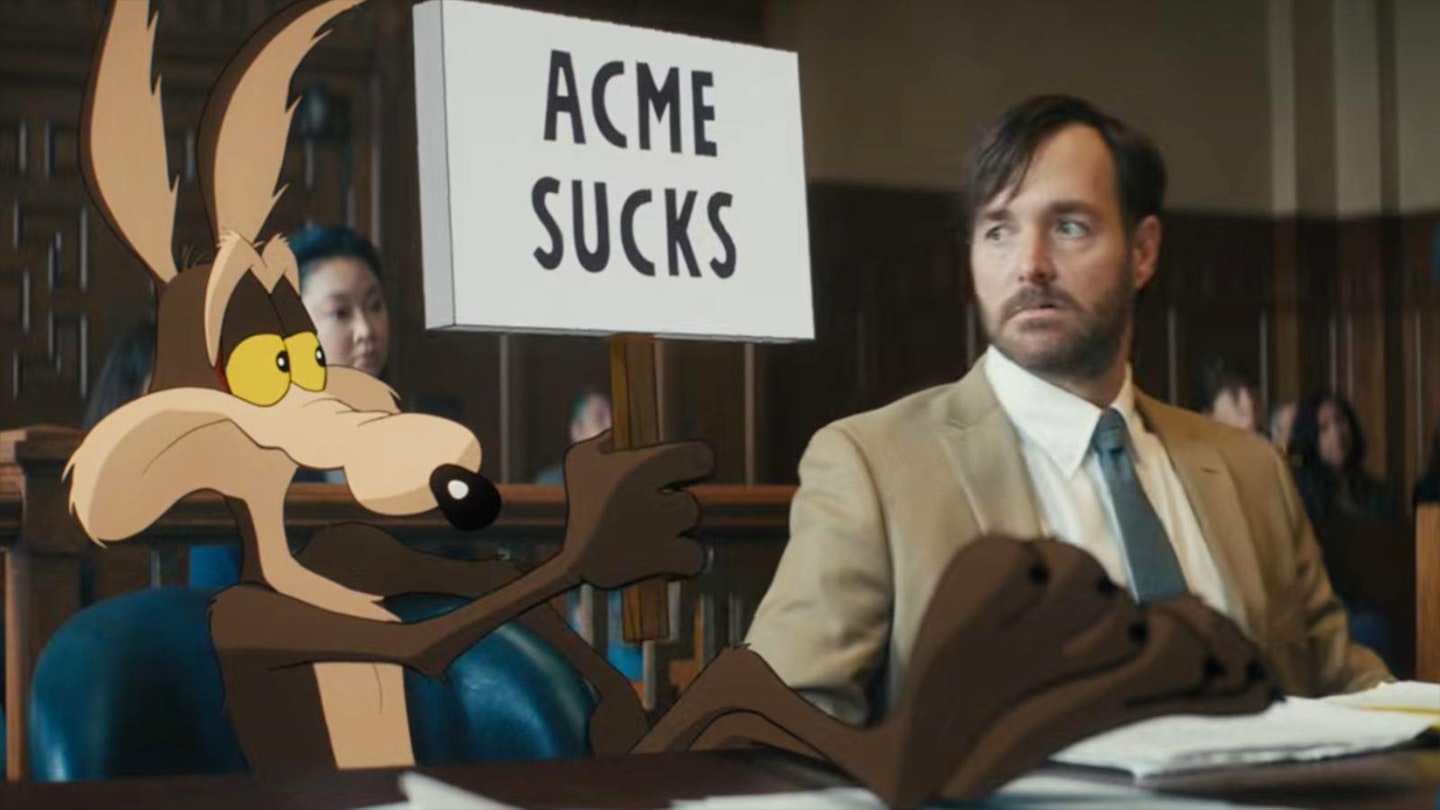
In the realm of action, Mortal Kombat 2 has already cemented its status as a cornerstone of 2026 cinema. Released in early May, the film thrives on a high-stakes, tournament-style structure that rewards long-time devotees of the franchise while pushing the narrative toward a global, apocalyptic threat. Its success underlines a broader industry trend: the move toward world-building that prioritizes character stakes alongside physical spectacle. This approach is further mirrored by the defiant, long-awaited theatrical debut of Coyote Vs. ACME on August 28. Its journey from a shelved corporate asset to a celebrated comedic and legal thriller is a triumph of artistic advocacy, framing the film as a symbolic victory for creator-driven storytelling in the face of studio volatility.

The 2026 slate also pushes into darker, more contemplative territory. Lucky Strike, a survival-focused war drama, stands out for its commitment to psychological endurance. By focusing on soldiers holding their ground during a brutal German counter-offensive, the film emphasizes the vulnerability and tactical realism of wartime conflict. Complementing this intensity are the year’s most anticipated sci-fi and atmospheric works. Signal One, arriving on VOD in June, delves into the ethical and existential consequences of alien contact, while Nicolas Winding Refn’s Her Private Hell offers a deeply atmospheric exploration of identity and consciousness. These films represent a shift toward internal, psychological landscapes, proving that the modern audience is increasingly eager to engage with science fiction that poses questions rather than simply providing answers.
On the international front, Na Hong-jin’s Hope, which premiered at the Cannes Film Festival on May 17, 2026, has emerged as one of the summer’s most profound dramatic sequences. The film’s focus on the survival of a remote community against inexplicable, mounting conflict serves as a powerful mirror to our collective global anxieties, demonstrating the unique cultural reach of South Korean cinema. Meanwhile, the dark, gothic allure of Warhammer 40,000 remains a cornerstone of dystopian storytelling, emphasizing the bleak, obsessive nature of its Imperial Inquisition as they wage a shadow war against cosmic horrors.
Ultimately, 2026 stands as a year where the boundaries between genres have become increasingly porous. Whether it is the tactical suspense of a WWII bunker, the legal absurdity of a Looney Tunes lawsuit, or the multiversal mysteries of a Green Lantern investigation, the common thread is a move toward more substantial, character-first narratives. By balancing the intellectual weight of these stories with the emotional precision of human-centered performances, the films and series of 2026 are not merely filling seats in a theater; they are actively shaping the cultural conversation. We are witnessing a transformational framing of the cinematic experience, where the spectacle is no longer the destination, but the vehicle for exploring the complexities of our own identity, our morality, and our future. As the year progresses, these stories continue to prove that the most enduring power of cinema is its ability to turn the vast, frightening, and unknown aspects of existence into something we can finally understand, share, and face together.