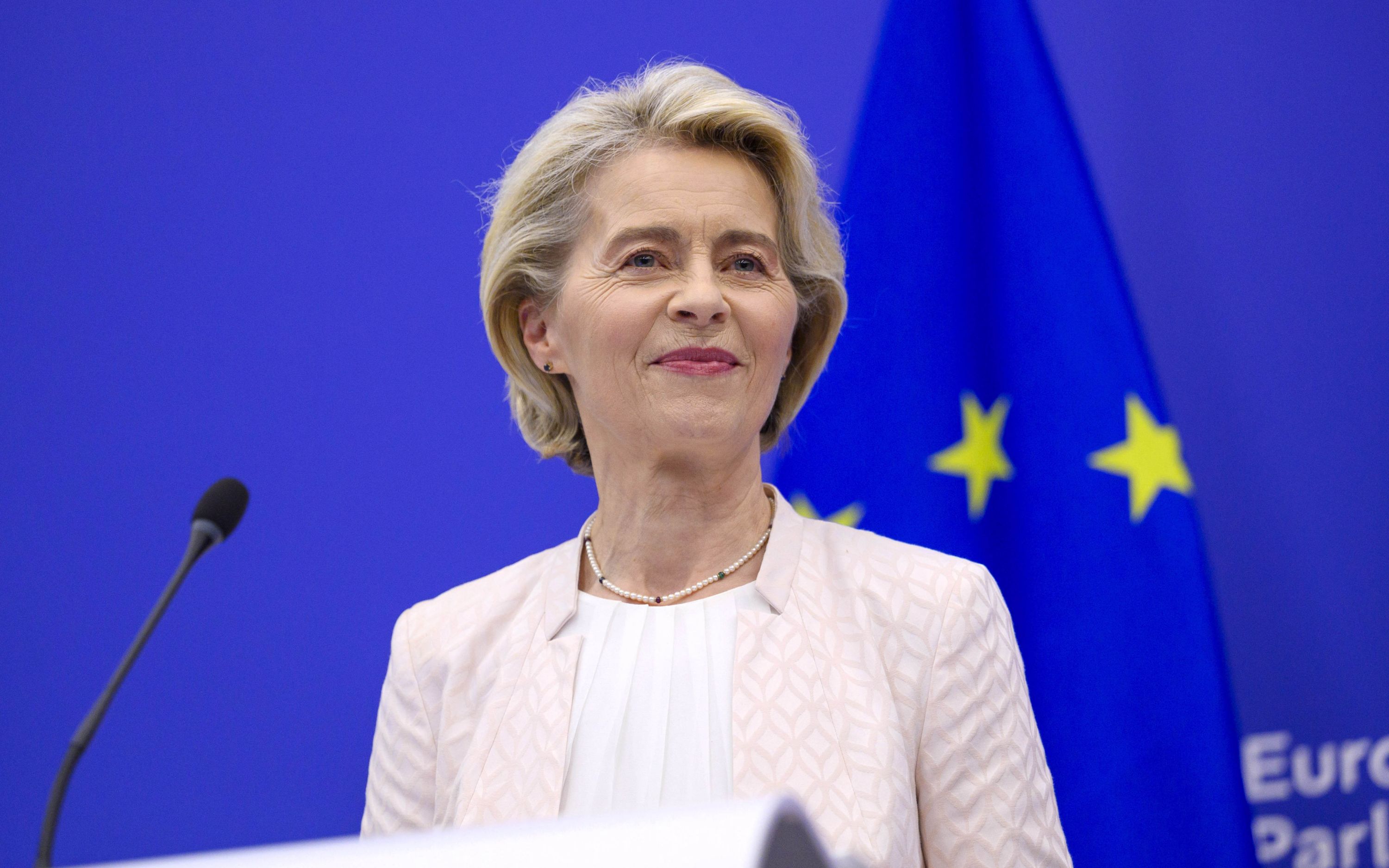
Europe stands at a historic crossroads as its leaders attempt to redefine the continent's role in a fractured and fractious global landscape. During the annual gathering in Davos, European Commission President Ursula von der Leyen presented a bold vision for a new, independent Europe that transcends the structural dependencies of the past. The World Economic Forum provided the essential platform for this declaration, marking 56 years since the organization first began fostering the spirit of dialogue that von der Leyen identified as crucial for navigating contemporary geopolitical shocks. Drawing on the lessons of the 1971 "Nixon shock," which ended the gold standard and forced a reevaluation of the global order, she argued that today’s seismic shifts must be seized as a structural imperative to build a truly autonomous union.
The push for independence is already manifesting through a series of historic trade maneuvers, most notably the recent signing of the EU-Mercosur agreement in Paraguay. This breakthrough establishes the world's largest free trade zone, representing over 20% of global GDP and connecting 31 countries with 700 million consumers. Looking forward, the Commission is targeting a massive agreement with India, described as the "mother of all deals," which could grant Europe a first-mover advantage in a market of two billion people. These efforts prioritize fair trade and sustainability over isolationism, signaling Europe's intent to remain a global economic powerhouse by partnering with the growth centers of the 21st century.
Related article - Uphorial Shopify

Domestically, von der Leyen proposed a radical restructuring of the European business environment through the creation of "EU Inc," a new 28th regulatory regime. This framework would allow entrepreneurs to register a company in any member state within 48 hours via a fully online process, removing the regulatory handbrakes that currently stifle growth and force companies to look abroad. To support this, the Savings and Investment Union aim to build deep, liquid capital markets, ensuring that innovative firms can raise financing and equity within Europe at lower costs. Simultaneously, the Affordable Energy Action Plan seeks to lower prices and eliminate volatility by investing heavily in homegrown nuclear and renewable energy sources, effectively ending the era of supply shocks and price manipulation.
Security remains a central pillar of this sovereign strategy, with European defense spending projected to surge to 800 billion euros by 2030. This investment has already tripled the market value of the European defense industry and given rise to tech unicorns specializing in AI-powered battlefield intelligence and dual-use drones. Von der Leyen reaffirmed an unwavering commitment to Ukraine, announcing a 90-billion-euro loan for 2026 and 2027 while ensuring that Russian assets remain permanently immobilized as a message to the world. Furthermore, she addressed emerging tensions in the Arctic, expressing full solidarity with Greenland and the Kingdom of Denmark while pledging to develop a European icebreaker capability to secure the high north. By treating these challenges as permanent shifts rather than temporary crises, Europe aims to emerge from this era as a resilient, sovereign, and unflinching global leader.