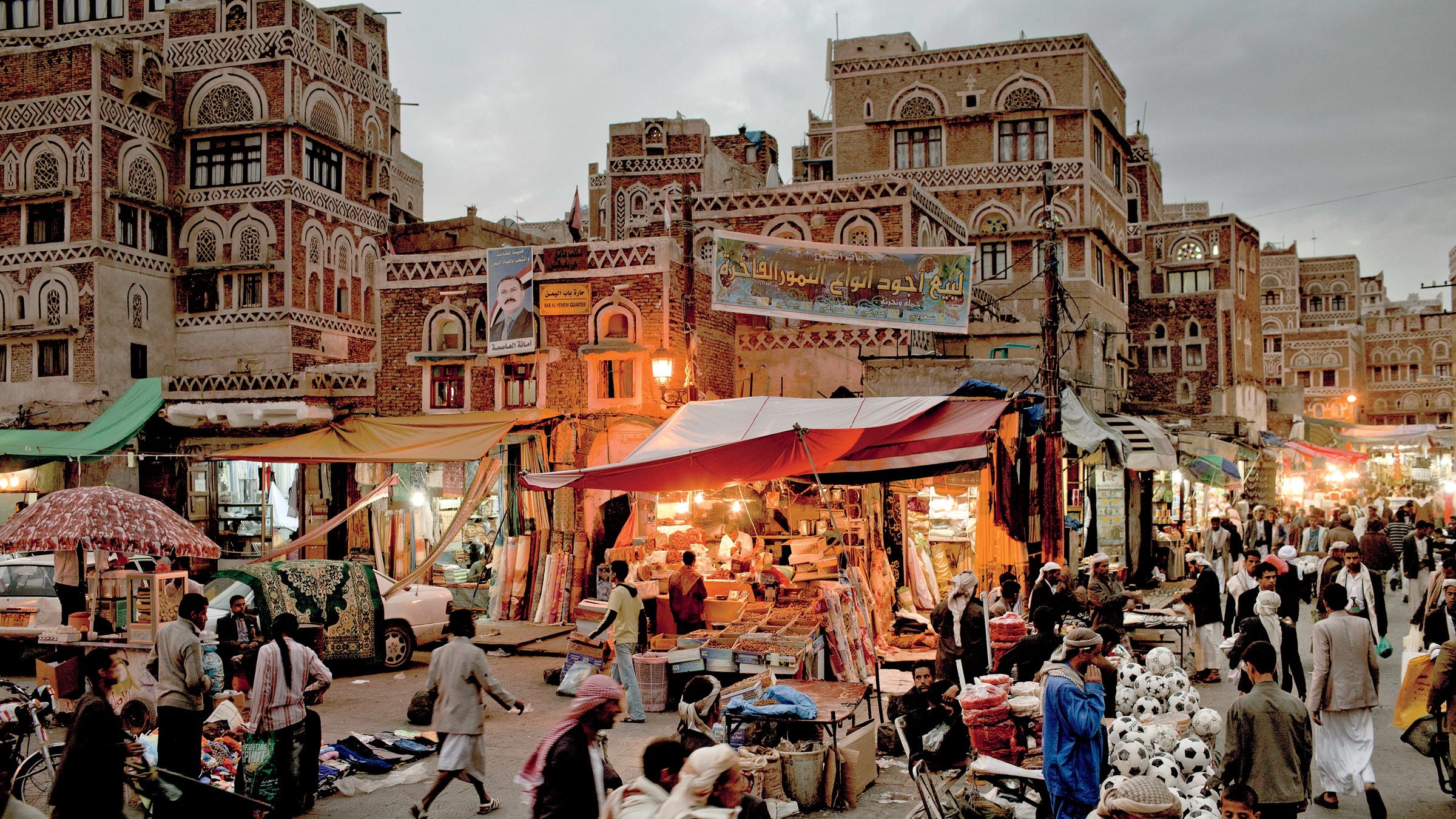
Venturing to Socotra, a remote tropical island nestled off the coast of Yemen, offers an experience of profound contrast, as noted by traveler Drew Binsky, who documented his 100 hours on what he refers to as one of the world's most dangerous countries. While mainland Yemen is ravaged by a brutal civil war and humanitarian crisis, Socotra stands as a quiet "safe haven". Binsky described his initial impression of the capital, Hadibo, observing dilapidated, unfinished buildings, widespread trash, and military personnel, noting, "We are in Yemen, after all". However, he quickly realized the distinct, peaceful vibe on the island, finding it hard to believe it was part of the same country where he had previously felt intensely unsafe during a 2019 road trip.
The island’s landscape contributes heavily to its otherworldly appeal, featuring sights that Drew Binsky compared to those on "another planet". Most striking are the endemic species, such as the Dragon Blood Tree, which Binsky was determined to see. The tree, which serves as the "sign of Socotra Island," is so rare that it grows nowhere else in the world, with some specimens estimated to be close to a thousand years old. He described the "alien trees" that "look like brains". Getting to these natural wonders proved challenging, as Binsky and his travel companion, Lee, agreed the island hosted "could be the worst roads we've ever been on," forcing them to drive at about two miles an hour. Beyond the Dragon Blood Tree, the island is also home to seven endemic species of frankincense tree and rare vultures that exist only on Socotra.
Related article - Uphorial Shopify

Despite the geographical isolation—with no ATMs and only one "measly hospital" or small clinic—the island is characterized by the warmth of its people. Binsky noted that everybody on the island is "so friendly" and that hospitality is "deeply rooted in Yemeni culture". He observed the unique local greeting, which involves touching noses, noting, "It's like you're leaning in for a kiss". The majority of Socotri people identify wealth not by a bank account, which may be "zero," but by land ownership, considering themselves "millionaire[s]" if they possess more than 100 meters of land. This commitment to simple living means crime is "really, really rare". If property, such as a computer, is lost, locals believe it would be taken and placed at the mosque for retrieval.
Drew Binsky highlighted the distinct Socotri culture and language. The native tongue is completely different from Arabic to the extent that people on mainland Yemen sometimes mistake it for English or languages from Somalia or Africa. While the island is politically part of Yemen, locals have their own culture and traditions, and they feel the war in their hearts despite the island being calm. Binsky noted the military presence and the prevalence of Emirates and Saudi flags, understanding that the UAE supports South Yemen, but found that most people "just live normal life" and are "welcoming for everyone".
Binsky's journey culminated in a meeting with a local legend, Abdullah, known as the "caveman," who has lived off the grid for nearly 50 years. Abdullah survived by fishing, at one point bringing his family to the cave for safety during the strong 2015 cyclones. Binsky observed Abdullah's traditional way of life, including his daily routine of catching and cooking fish.
Drew Binsky concluded that the rising tourism on the island, fueled by platforms like Instagram and TikTok, has been beneficial. The island benefits from tourism, and he saw how, thanks to tourists who supported Abdullah by paying to share his way of life, the local legend could now afford a small home in town with his family. This transformation was for Binsky a "powerful reminder that when done right, tourism can help local communities grow without losing their identity". Binsky ultimately described Socotra as a magical island, defined by its silence, simplicity, and the generosity of its people. He hopes that as the island changes quickly and tourism explodes, the local people will remain at the center of its evolution.