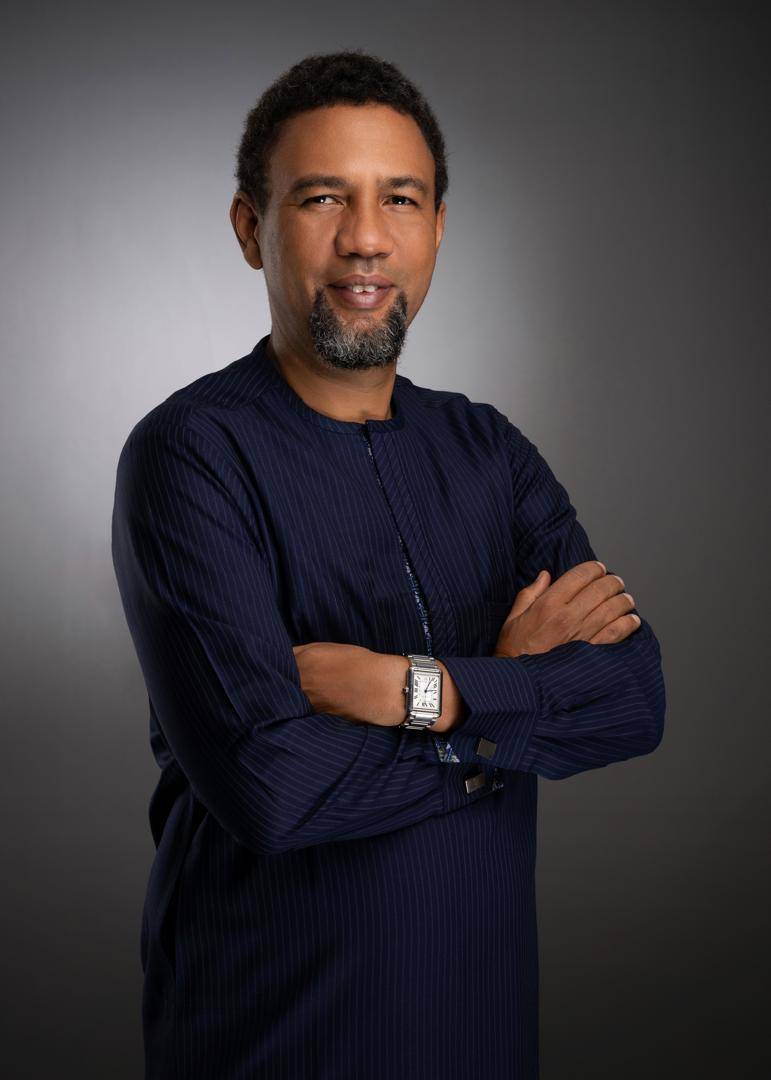
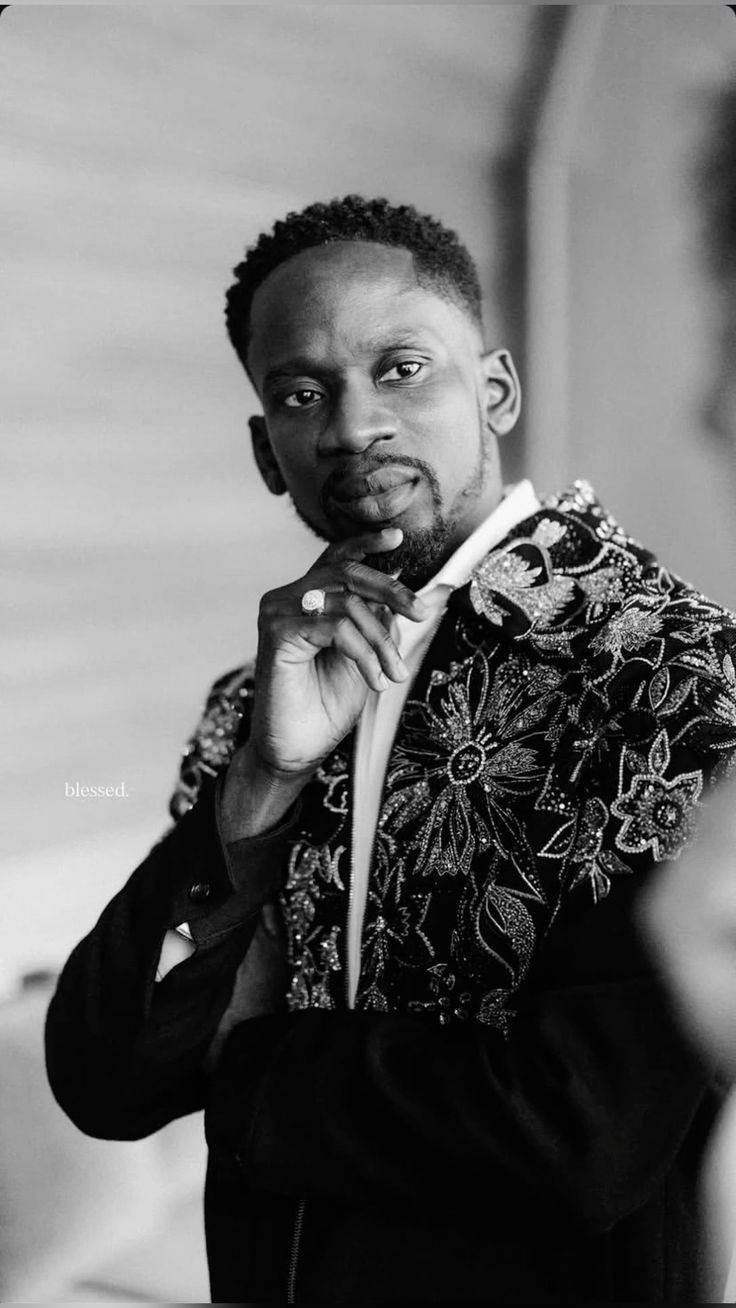
LAGOS – The trajectory of the Nigerian music industry over the last two decades is inextricably linked to the fingerprints of one man: Michael Collins Ajereh, better known to the world as Don Jazzy. In a candid, reflective sit-down that peeled back the layers of his journey from the neon-lit origins of the Mo'Hits era to the sophisticated, multi-departmental powerhouse that is Mavin Records, the legendary producer offered a masterclass in evolution. The conversation was not merely a retrospective; it was a profound study in how a visionary navigates the transition from being a singular creative force to becoming an institutional architect, shaping the future of a creative economy that now commands global attention.
At the core of Don Jazzy’s modern identity is a self-defined philosophy he calls "Supreos." It is a concept that moves beyond the title of producer or CEO, positioning him instead as a "lightbearer" for the next generation. For Don Jazzy, the objective is to simplify the path for younger creators—not just in music, but across the broad spectrum of the creative arts. This is a transformational framing of leadership; he no longer views his role as the singular genius in the room, but as a scaffold upon which others can build their own monumental careers. He recognizes that the greatest contribution one can make to a culture is to build an environment where the next wave of innovators does not have to navigate the same institutional hurdles that he once faced.
The evolution from Mo'Hits to Mavin Records marks the most significant strategic shift in his career. He describes Mo'Hits as a venture driven primarily by the raw, unbridled passion of youth, a time of spontaneity where music was a product of communal feeling and lightning-in-a-bottle creativity. Mavin Records, however, represents a deliberate, calculated evolution into a structured business. It is here that his intelligent curation is most evident: he has implemented dedicated departments—from human resources to sophisticated marketing units—that treat artistry as a scalable business without losing the soul that originally fueled the movement. It is a balancing act of cold business acumen and warm, creative empathy, proving that a label can have an institutional spine while maintaining a creative heart.
His creative process remains as intuitive as it is collaborative, defying the industrial tendency to churn out formulaic hits. Don Jazzy is adamant that he does not create music simply to fill commercial slots or satisfy market trends. Instead, he engages in a bespoke process, tailoring the sonic landscape to the unique identity of the artist. He shared a telling anecdote about the hit song "Overdose," which was originally conceptualized for the soulful, alt-leaning Johnny Drille before being repurposed to fit the aesthetic needs of the collective. This flexibility highlights a deep cultural understanding: a producer must be a listener first, someone who understands the nuance of an artist's voice better than they do themselves.

Related article - Uphorial Shopify

When discussing the discovery and development of talent, his approach is grounded in the reality of the digital age. He notes that while raw talent is abundant in Nigeria, talent alone is no longer the differentiator. He prioritizes work ethic, branding, and the capacity for an artist to manage their presence on social media with the same intensity they bring to the studio. This is nowhere more apparent than in his work with Ayra Starr, whom he discovered via social media and recognized instantly as a star with an undeniable, luminous quality. Similarly, his long-term commitment to Johnny Drille—an artist whose non-commercial, folk-infused sound defies the typical Afrobeats template—demonstrates his resolve to champion authenticity in a market that often demands conformity.
The conversation also navigated the complexities of business and public leadership. Managing multiple artists requires an infrastructure that can support diverse visions while maintaining a cohesive brand identity. Don Jazzy addresses the inevitable public scrutiny and the venom of social media trolls with a strategic sense of humor and emotional distance, often choosing to respond with a laugh or silence rather than engaging in the negativity. This is an essential skill for a leader whose every move is analyzed by millions; he understands that his energy is a resource to be protected and that his legacy is far too valuable to be diminished by the ephemeral noise of the internet. As he reflected on the totality of his career, Don Jazzy spoke with a sense of clarity about his legacy. He harbors no desire for his work to be a static monument; rather, he hopes for it to remain untainted, a living, breathing force that continues to evolve. He views his legacy not in terms of the billions of streams or the wall of plaques, but in the memories and the emotions he has sparked through his music. He wants to be remembered as a catalyst for joy—a man who helped provide the soundtrack to the lives of millions.
This conversation was a poignant reminder that while the industry is increasingly driven by algorithms, data, and global distribution deals, the heartbeat of Nigerian music remains tied to the individuals who dare to dream of something bigger. Don Jazzy’s journey is a blueprint for the modern creative leader: a story of a man who learned that the ultimate act of power is not just to shine, but to turn on the lights for others. He has transitioned from a hitmaker to an architect, from an artist to a legacy-builder, and in doing so, he has ensured that the Nigerian music ecosystem will continue to flourish long after the final notes of his own compositions have faded. It is a masterclass in strategic storytelling, leaving the audience with the understanding that greatness is not found in the music we hear, but in the doors we open for the music that is yet to come.