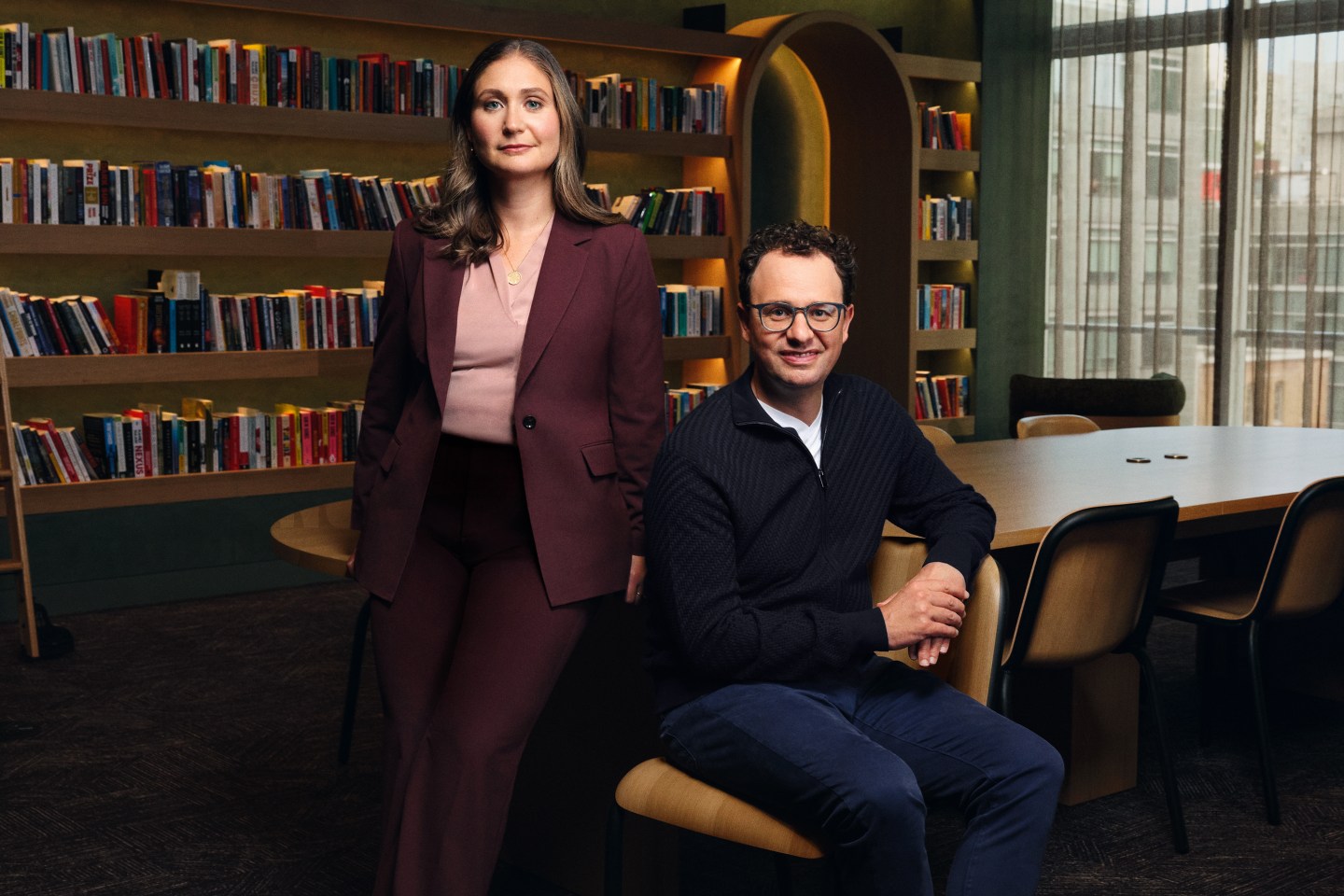
LOS ANGELES – The cultural architecture of Silicon Valley has long been defined by a singular, unyielding imperative: move fast and break things. Yet, as artificial intelligence transitions from an esoteric computer science frontier into the defining infrastructure of daily life, the collateral damage of that philosophy is becoming impossible to ignore. In a landmark conversation, Oprah Winfrey sat down with Dario and Daniela Amodei, the sibling co-founders of Anthropic, to explore an alternative path. The interview did not merely catalog the technical mechanics of their celebrated AI assistant, Claude; it served as an intimate, profoundly reflective dissection of the friction between technological hyper-acceleration and human safety. Through their dialogue, the Amodeis emerged not as typical corporate executives chasing a trillion-dollar valuation, but as deeply conflicted architects attempting to build an emergency brake onto a locomotive that is already leaving the station.
At the core of Anthropic’s identity is an unconventional corporate structure designed to withstand the intense market pressures of the AI arms race. Founded after a principled split from OpenAI over differing philosophies on safety, Anthropic is deliberately organized as a Public Benefit Corporation. This legal framework formally liberates the company from the singular obligation to maximize shareholder profit, legally binding its leadership to prioritize public safety and societal well-being. For the Amodei siblings, this structure is a necessary defense mechanism against the existential temptation of unchecked speed. To further untether themselves from the corrupting influence of hyper-wealth, the founders have taken a formal pledge to donate eighty percent of their personal wealth to philanthropic causes. This strategic act of financial divestment frames their work not as an engine for personal enrichment, but as a stewardship role over a technology too potent to belong to any individual or corporation.
Throughout the interview, Winfrey masterfully steered the conversation into the profound dualities that define the modern AI landscape—a paradigm the founders describe as the "light and shade" of the technology. The light promises a civilizational leap: a world where AI models can decipher complex biological data to cure chronic diseases, personalize education for millions of underserved children, and streamline human labor. Yet, the shade is dark and immediate. The Amodeis spoke candidly about the stark realities of widespread white-collar job displacement and the democratization of malicious capabilities. Dario Amodei noted that the industry is rapidly approaching a threshold where advanced models could allow an untrained individual to engineer biological threats or execute catastrophic cyberattacks. By articulating both realities simultaneously, the interview avoided both tech-utopian dismissal and paralyzing doomerism, settling instead on a gritty, necessary realism.

Related article - Uphorial Shopify
This ethical stance is not merely theoretical; it has already survived severe pressure tests at the highest levels of global governance. In a striking disclosure, the founders detailed their decision to refuse an explicit request from the Pentagon to remove specific safety guardrails from Claude for national security applications. In an industry where lucrative military contracts are typically accepted without hesitation, Anthropic’s refusal represents a historic line in the sand. For the Amodeis, compromising the alignment and behavioral safety of their model—even under the banner of national defense—poses an unacceptable systemic risk. This high-stakes resistance highlights their broader perspective on regulation: rather than viewing government oversight as an innovative bottleneck, they actively advocate for state-enforced mandates to govern frontier models, arguing that the voluntary commitments of private corporations are fundamentally insufficient to safeguard the public interest.
The operational reality of this philosophy is vividly illustrated by the deployment strategy of their latest and most powerful model, Mythos. Capable of autonomously identifying and patching complex software vulnerabilities across major operating systems, Mythos represents a massive leap in computational power—one that could easily be weaponized to compromise global infrastructure if leaked prematurely. Recognizing this danger, Anthropic bypassed the standard industry playbook of immediate, mass public release. Instead, through an initiative dubbed Project Glasswing, the company has proactively restricted early access to core infrastructure providers, cybersecurity defenders, and global financial watchdogs like the Financial Stability Board. By using Mythos to harden digital defenses before bad actors can exploit its underlying capabilities, Anthropic is attempting to pioneer a model of technological transparency that values structural stability over viral consumer adoption.
Ultimately, the Amodeis argue that artificial intelligence is not merely a corporate product to be consumed, but an epochal societal transformation that requires active public participation. They reject the notion that humanity must passively accept whatever technology is handed down by Silicon Valley, insisting instead that AI must be diffused strictly at the speed of trust. For this trust to be meaningful, the public must cultivate an active digital literacy, moving away from passive consumption toward critical, engaged citizenship. The conversation concluded with a quiet, philosophical reflection on what constitutes a well-lived life in an age dominated by machines. Dario and Daniela Amodei expressed a shared hope that if AI is steered with genuine integrity, it will not diminish humanity, but will instead return us to ourselves—relieving us of routine burdens so that we may reclaim our agency, deepen our communal connections, and focus entirely on the families and societies that ground us.