Bloomberg Technology reported live from the heart of CES in Las Vegas, where Caroline Hyde and Ed Ludlow monitored the shifting tides of the global tech landscape. Central to the day's coverage was the revelation that China plans to approve imports of Nvidia’s H200 chips for commercial use as early as this quarter. Ed Ludlow emphasized that the restriction remains crystal clear: the chips are intended for private enterprises like ByteDance and Baidu and cannot be utilized by military or state-backed entities. This regulatory shift represents a critical juncture for Nvidia, as CEO Jensen Huang has identified the Chinese market as a fifty-billion-dollar opportunity, even as domestic rivals make strides in developing homegrown alternatives.
The focus on valuation continued as Caroline Hyde tracked Anthropic’s latest funding round, which aims for a staggering three hundred- and fifty-billion-dollar valuation. Ed Ludlow observed that while there are currently four major players in the foundational model space—including OpenAI, xAI, Anthropic, and Google—investors suggest there may eventually only be room for three. This financial intensity is fueling a transition from purely digital models toward what experts at the show are calling physical AI. Jan Liphardt, CEO of OpenMind, remarked that robotics have rapidly evolved from wires-and-wobble science experiments into polished products intended for homes and hospitals. He noted that while logistics tasks are effectively solved, the new frontier is social robotics, where machines are being used in memory care facilities to provide companionship for those starved for human interaction.
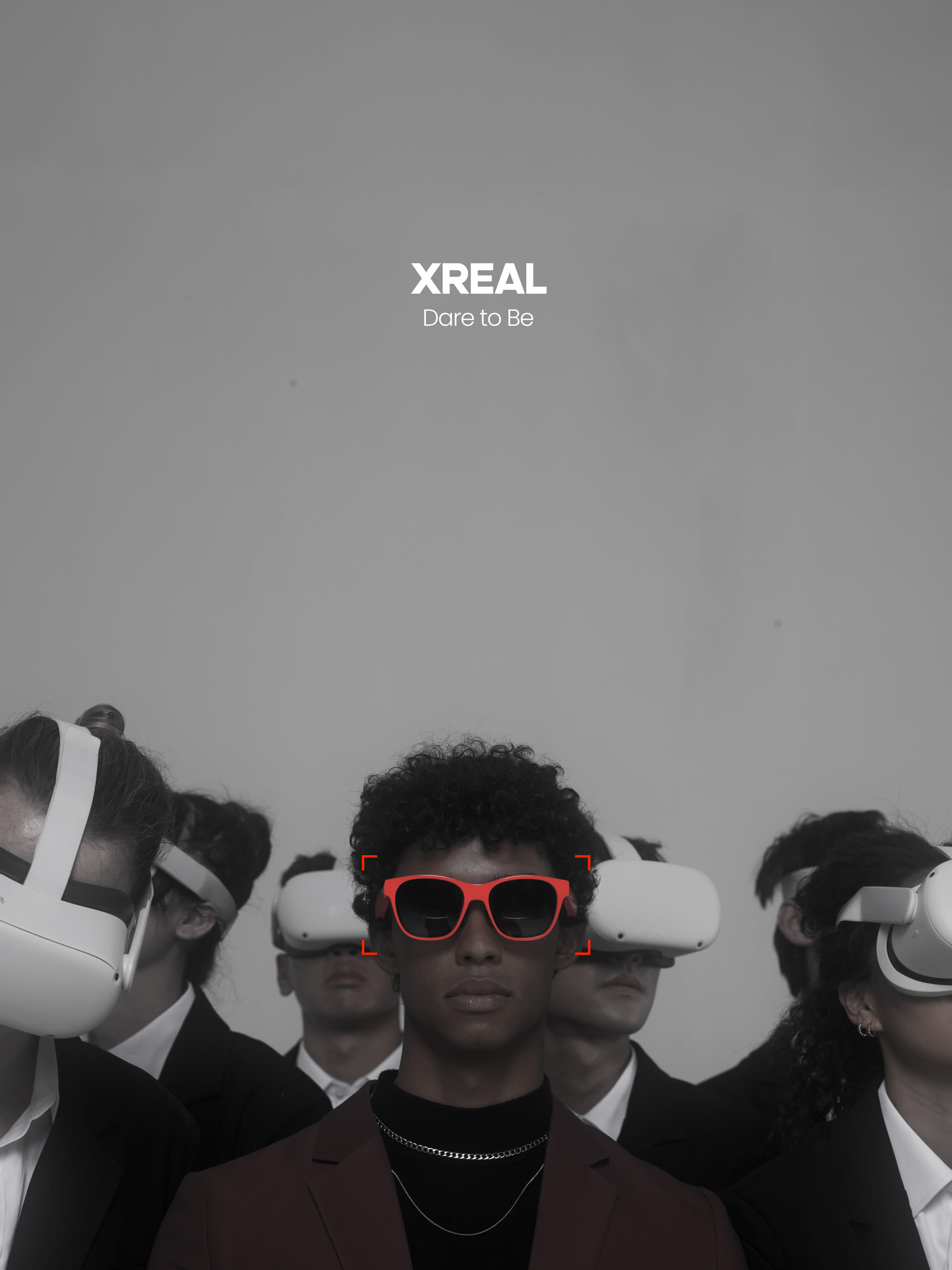
On the venture capital front, Steve Jang described Nvidia’s role as the Fed for AI, a kingmaker dictating the direction of the entire sector. This influence extends into the autonomous vehicle space, where companies like Neuro and Uber are partnering to bring full self-driving capabilities to networks in areas like the Bay Area. Meanwhile, consumer hardware saw a resurgence in augmented reality, with Xreal CEO Chi Xu unveiling glasses priced at four hundred and ninety-nine dollars.
Xu argued that eyewear is the ultimate form factor that will one day replace the cell phone, supported by a deepening multiyear partnership with Google’s Project Aura.
The geopolitical stakes of these innovations were underscored by Jacob Helberg of the U.S. State Department, who asserted that if the twentieth century ran on steel, the twenty-first century runs on silicon and compute. Helberg detailed a three-part strategy for the United States to win the AI race by leading innovation and securing supply chains through a new coalition of technologically advanced nations. However, challenges remain, as highlighted by Palmer Luckey, who warned of China’s dominance in the drone industry—a weakness the U.S. is currently attempting to address through industrial policy and new bans. Ultimately, the reporting by Bloomberg Technology suggests that the tech industry has reached a point where software mastery is assumed, and the real battle has moved to the physical integration of these tools into human life.
Developing a humanoid robot is much like teaching a child to navigate a crowded room; it is not enough to simply give them the brain of a high-speed processor—they must also learn the body of balance, touch, and social grace to truly function in a human-centric world.