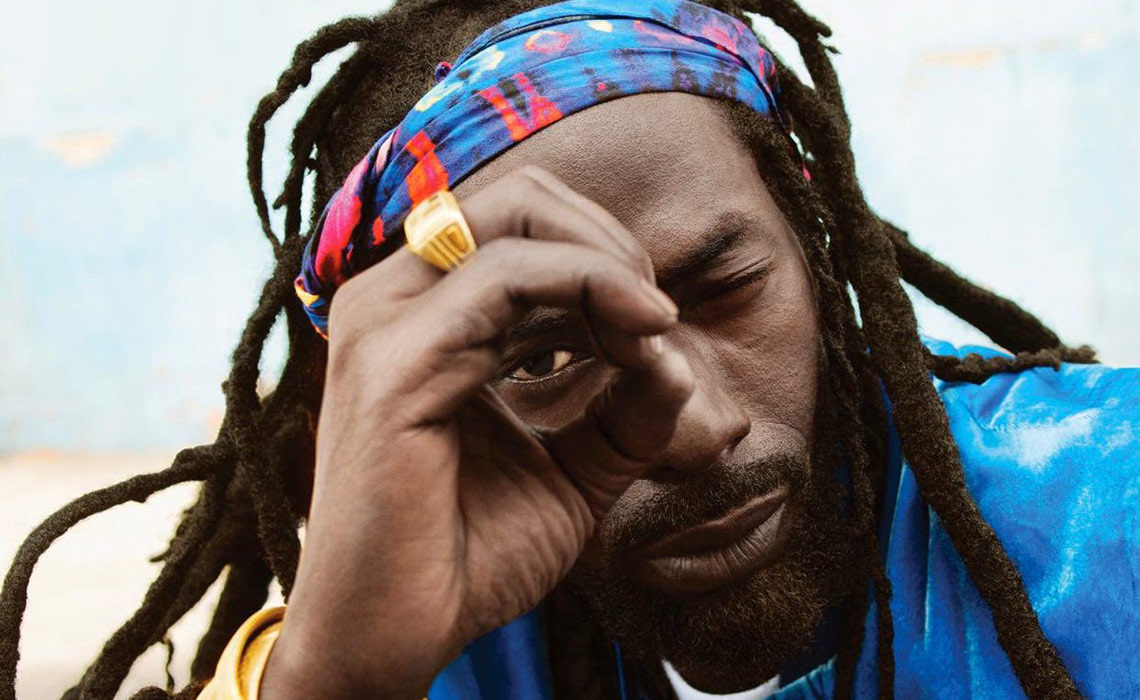
KINGSTON ---The minimalist aesthetic of the COLORS SHOW studio has long served as a digital sanctuary where the superfluous elements of the modern music industry are stripped away, leaving only the artist, a microphone, and the unvarnished truth of their craft. It is a space designed for exposure, demanding a level of vulnerability and commanding presence that few can truly master. Yet, when Jamaican dancehall titan Buju Banton stepped into this stark, monochromatic arena to perform his latest track, "House Call," the atmosphere shifted entirely. He did not merely occupy the space; he claimed it, transforming the quiet studio into a pulsating epicenter of Caribbean sonic history. This performance was not just a promotional stop on the road to his highly anticipated thirteenth studio album, Too Too Bad, scheduled for release on July 17, 2026, through VP Records and Gargamel Music. It was a visceral, transformational statement of intent, a masterclass in musical endurance, and a triumphant return to the raw, hardcore dancehall style that cemented his legendary status decades ago.
To understand the emotional precision and cultural weight of this performance, one must contextualize Buju Banton’s place within the global musical landscape. For over thirty years, his gravelly baritone has been the authoritative voice of Jamaican street culture, narrating the spiritual, political, and romantic complexities of the human experience. His career has traversed the diverse terrain of roots reggae, soul, and crossover R&B, but it was the razor-sharp, physical dancehall of the 1990s and mid-2000s that first forged his indestructible bond with the masses. The very title of his upcoming project, Too Too Bad, serves as an intelligent curation of his own legacy, nodding directly to his iconic 2006 album Too Bad, a record celebrated for its uncompromising return to the gritty, rhythm-driven heart of the genre. By introducing "House Call" on the global platform of COLORS, Banton is actively signaling a renaissance of that specific, untamed energy.
Related article - Uphorial Shopify
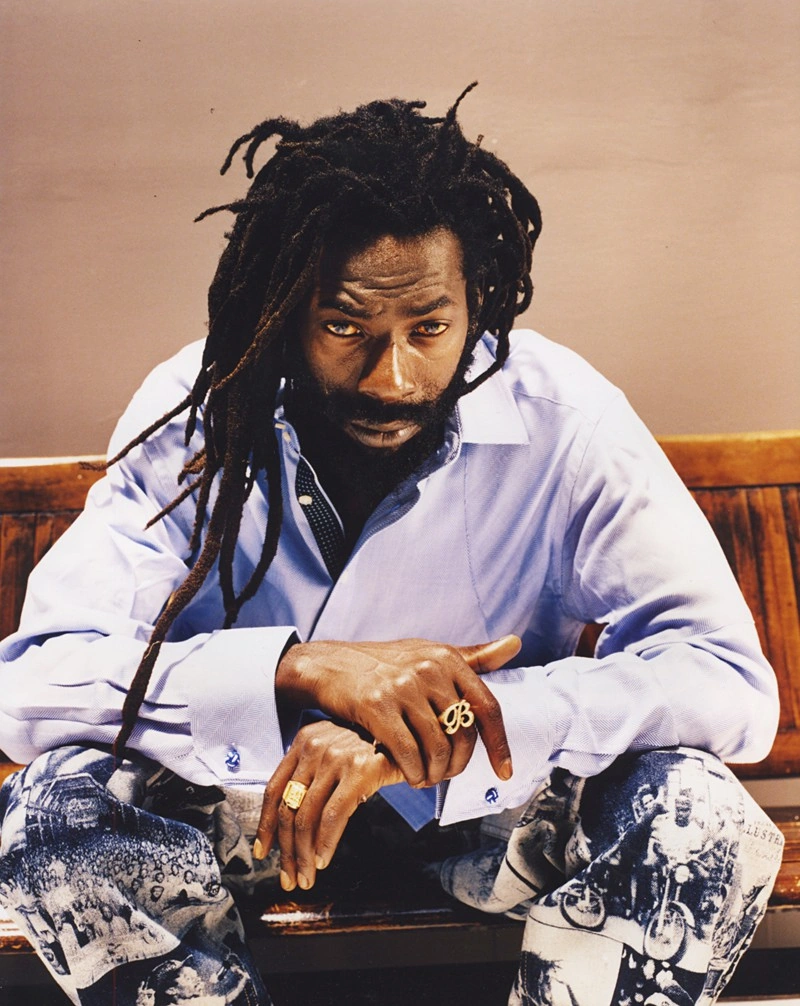
The performance begins with a rare and captivating departure from the traditional COLORS format. Rather than allowing the music to start immediately, Banton takes a moment to introduce the project directly to the audience. This strategic storytelling breaks the fourth wall, establishing an immediate, intimate connection with the viewer. He speaks with the quiet, assured authority of an elder statesman who knows exactly the caliber of art he is about to deliver. When the beat finally drops, the contrast between the serene visual backdrop and the ferocious, polyrhythmic pulse of the instrumental is electrifying. It is a reminder that true dancehall requires no elaborate stage production or backup dancers to command attention; it requires only the right rhythm and a vocalist capable of riding it with absolute conviction."House Call" itself is a masterwork of rhythmic engineering and lyrical agility. Staying fiercely true to his roots, Banton delivers a sound that is stripped of the watered-down pop gloss that often dilutes contemporary releases aimed at the international market. This is dancehall in its most undiluted, unapologetic form. The track is built upon a heavy, driving bassline and a kinetic percussion arrangement that forces physical movement. As he navigates the instrumental, Banton explores themes of romantic companionship, raw energy, and the electric, communal atmosphere of dancehall culture. The lyrics are delivered with an emotional precision that captures the urgency and passion of the subject matter, painting a vivid picture of connection that is both intensely personal and universally relatable.

A defining characteristic of the track—and the performance—is Banton’s signature use of rhythmic counting and rapid-fire, syncopated flows. He manipulates the English language and Jamaican Patois with the dexterity of a percussionist, treating his voice as an additional instrument that weaves in and out of the beat. This technique, a hallmark of the 90s dancehall era, requires a level of breath control and vocal stamina that few modern artists possess. Watching him execute these complex patterns in a single, unedited take is a testament to his enduring physical and artistic vitality. The performance is a living archive of a specific vocal tradition, preserved and revitalized for a new generation of listeners who may be encountering this pure form of the genre for the very first time.
The transformational framing of this release cannot be overstated. In a current musical climate that is deeply fractured and heavily reliant on viral, fleeting trends, Buju Banton’s steadfast commitment to the foundations of his craft is an act of cultural rebellion. He is not chasing the algorithmic popularity of the moment; he is dictating the terms of engagement. By partnering with VP Records and his own Gargamel Music imprint, he ensures that the rollout of Too Too Bad remains under the stewardship of institutions that deeply understand the cultural heritage of the music. The strategic decision to utilize the COLORS platform to unveil "House Call" bridges the gap between the traditional, ground-level sound system culture of Kingston and the sleek, digitized curation of modern global music consumption. It introduces the hardcore aesthetic to an audience that spans across continents, validating dancehall as a high art form worthy of the same minimalist, focused presentation afforded to global pop and alternative R&B stars.
Furthermore, this performance serves as a vital connective tissue in the ongoing narrative of Caribbean music's global influence. As genres like Afrobeats and Reggaeton, which draw heavily from the rhythmic DNA of dancehall, continue to dominate international charts, Banton’s return to the source material acts as a profound reminder of where those sounds originated. "House Call" is an assertion of origin and mastery. It is an educational moment disguised as a high-energy banger, reminding the world that the architects of the sound are not only still present but are actively producing work that rivals the vitality of their youth. Banton’s delivery is laced with the wisdom of his years, yet it crackles with the hunger of an artist who still has something to prove, refusing to relegate himself to the status of a heritage act.As the final notes of the performance ring out and the silence of the studio returns, the lasting impression is one of awe. The audience is left with the indelible image of a cultural giant, standing alone in a brightly colored room, having just shifted the gravitational pull of the digital space. The anticipation for July 17th and the release of Too Too Bad is no longer just about hearing a new collection of songs; it is about witnessing the next chapter in the saga of one of music's most resilient and compelling figures. Through the sheer force of his talent, Buju Banton has transformed a simple studio session into a monumental cultural event, proving once again that when the Gargamel speaks, the world has no choice but to listen. The return to the hardcore dancehall style is complete, the legacy is secure, and the stage is perfectly set for a summer defined by the undeniable, unrelenting rhythm of Jamaican excellence.