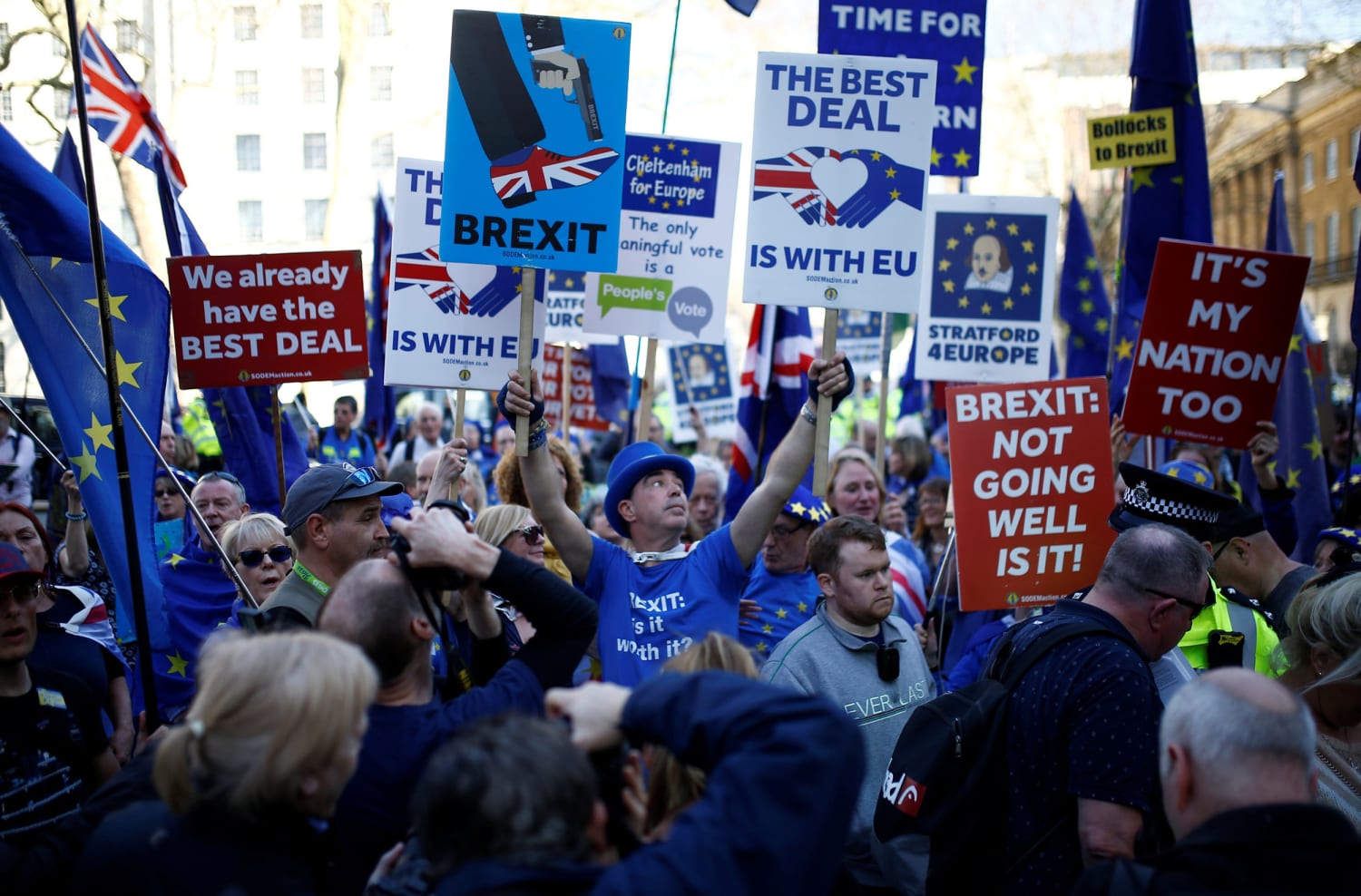
LONDON – The decade since the United Kingdom’s seismic referendum to exit the European Union stands as a somber monument to the volatility of democratic consensus and the profound, long-term consequences of political ruptures. What began on a summer day in 2016 as a populist shock to the global order has matured into a complex, multi-layered saga of economic friction, institutional instability, and a deeply altered social contract. Looking back from the vantage point of 2026, the legacy of this decision is not found in a single, catastrophic collapse, but rather in the insidious, creeping erosion of potential—a "long goodbye" that has fundamentally reframed Britain’s relationship with its neighbors and its own sense of self.
The initial shock of the vote caught global markets and political elites off guard, signaling a definitive turn toward a more fragmented and inward-looking world. At its heart, the movement was a visceral expression of the growing divide between those who had thrived under the aegis of globalization and those who had been left behind. It was a protest against the perceived alienation of sovereignty, fueled by a narrative that promised the reclamation of control. Yet, as the years have passed, the reality of that promise has been tested by the uncompromising arithmetic of international trade. While the dire, apocalyptic predictions of an immediate total economic collapse—the "Project Fear" scenario—did not materialize, the long-term cost has been statistically undeniable. Modeling now suggests a persistent reduction of between 2% and 4% of the UK’s GDP, a gap that represents billions in lost investment and dampened growth. While sectors such as London’s financial services have displayed a surprising, often adaptive resilience, other industries have struggled under the weight of new trade barriers, regulatory divergence, and the complexities of post-market reality.
The political price of this transition has been perhaps even more profound. The exit triggered a period of parliamentary deadlock that effectively paralyzed the machinery of government for years. The turnover in leadership has been nothing short of extraordinary; five different Prime Ministers have occupied 10 Downing Street in the wake of the decision, each spending their limited political capital attempting to manage the fallout of the withdrawal. This perpetual state of crisis-management forced the British state into a defensive posture, diverting essential attention and resources away from the fundamental domestic challenges that defined the era: systemic low productivity, an aging infrastructure, and the urgent need for a cohesive, future-facing energy policy. The nation found itself caught in a recurring loop of internal debate, unable to look forward because it remained tethered to the ghosts of the referendum.
Related article - Uphorial Shopify
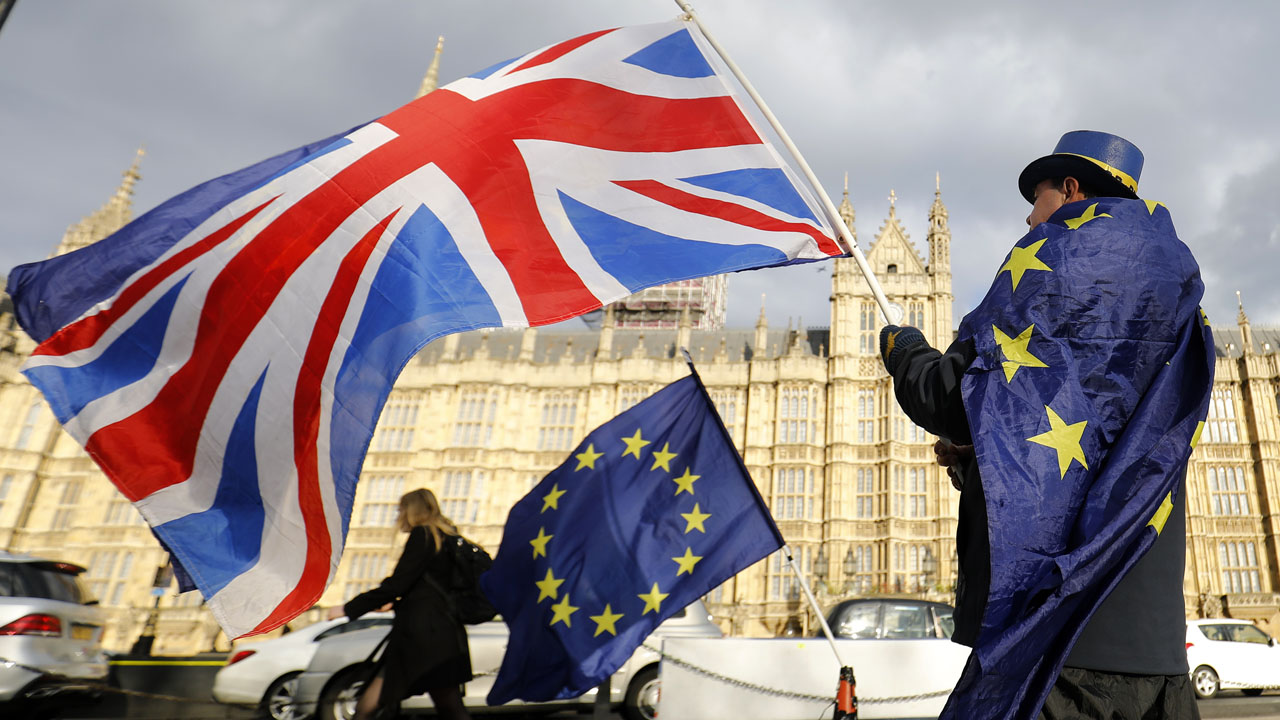
A central pillar of the original campaign was the promise to control, and significantly lower, levels of immigration. Yet, the decade since has provided a stark, almost ironic, lesson in the limitations of policy when confronted by global labor market realities. Despite the legislative changes, the UK has witnessed significant increases in non-EU migration, a development that has fueled a pervasive sense of frustration and, for many who voted for change, a feeling of betrayal. This disconnect between the rhetoric of the campaign and the lived experience of the population has eroded trust in political institutions, leaving a void where the promise of national renewal once stood. It is a reminder that the political mechanics of a border are far less predictable than the forces of global movement.Beyond the domestic stage, the UK’s decision acted as a clarion call for the rise of global populism and nationalism. It served as an early warning sign for a world beginning to pull back from the post-Cold War consensus of integration and international cooperation. The decision arguably contributed to a more fractured international geopolitical landscape, emboldening movements elsewhere that saw in Britain’s defiance a blueprint for their own rejection of supranational oversight. Britain became, for a time, the laboratory for a new kind of nationalist politics, with the fallout of that experiment still rippling through the corridors of power across the globe.
As we look toward the horizon, the discourse remains paralyzed by the ghosts of 2016. Recent public opinion polls suggest that a majority of the electorate might now favor rejoining the European bloc, yet the prospect of such a pivot faces insurmountable political resistance. Figures like Nigel Farage remain influential, ensuring that the legacy of the exit remains a fiercely contested battleground. However, there is a growing consensus among economists and political strategists that the nation can no longer afford to be defined by the binary of "Leave" or "Remain." The focus, they argue, must shift from the ideological battles of the past to the pragmatic necessity of addressing the country’s current systemic stagnation.The exit has left Britain in a state of quiet transformation—a nation that is finding its path in a world that is less connected and more competitive than the one it left behind. The emotional and economic scars remain visible, yet there is a subtle, emerging recognition that the era of debate must yield to an era of action. Fixing the structural issues that have left the economy behind requires more than just a reversal of a vote; it requires a new, unified vision for the nation’s future. The story of the last ten years is not one of a final destination, but of a long, arduous journey toward a new identity. Whether that identity can eventually reconcile with its neighbors or will remain in a state of permanent, competitive detachment remains the defining question for the generation to come. For now, the lesson of the decade is clear: the cost of change is often higher than the architects of change anticipate, and the true work of a nation begins only when the noise of the debate finally subsides.