LAGOS - The sunlit soil of southwestern Nigeria holds the memory of an ancient empire whose artistic genius, industrial might, and spiritual gravity reshaped the history of human civilization long before the modern world mapped its continents. In the heart of Osun State lies Ilé-Ifè, the hallowed cradle of the Yoruba people, a sacred city where gods, kings, and master artisans forged a golden age of African urbanity. Through a profound documentary lens, the rich history of this monumental civilization is brought into sharp, luminous focus, offering a masterclass in cultural understanding, emotional precision, and a transformational framing of a heritage that challenged the Eurocentric boundaries of global art history.
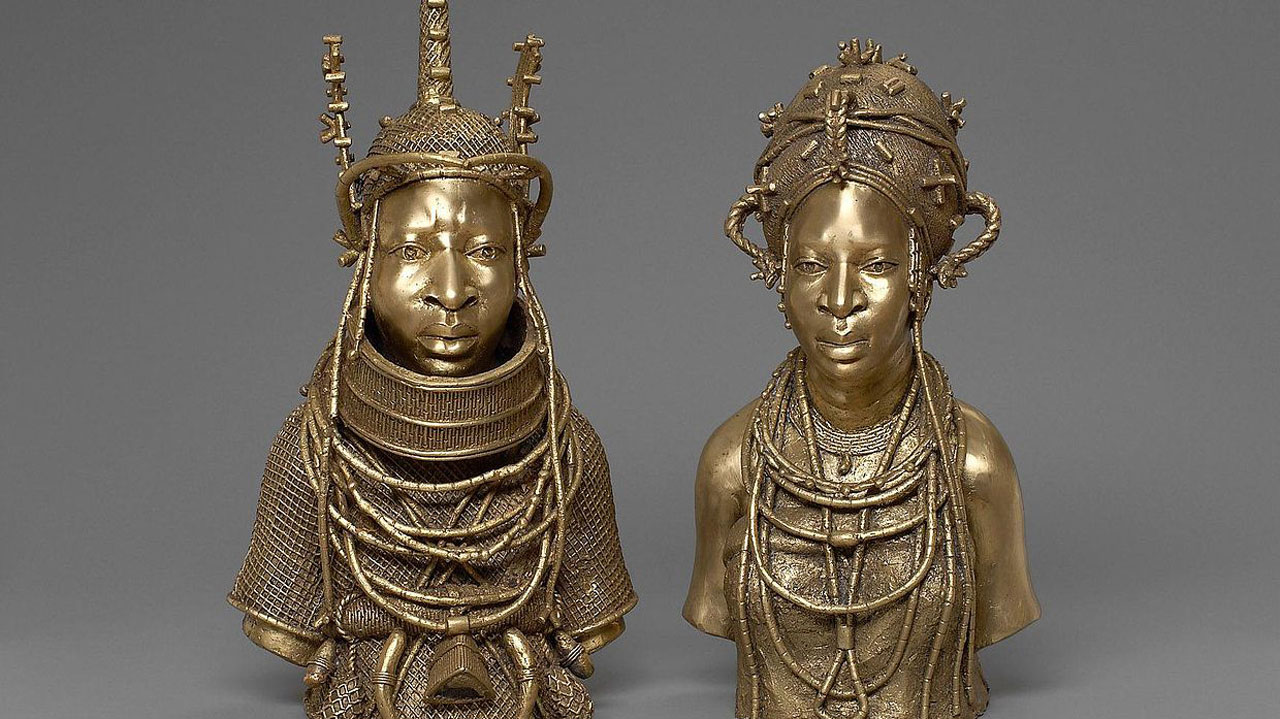
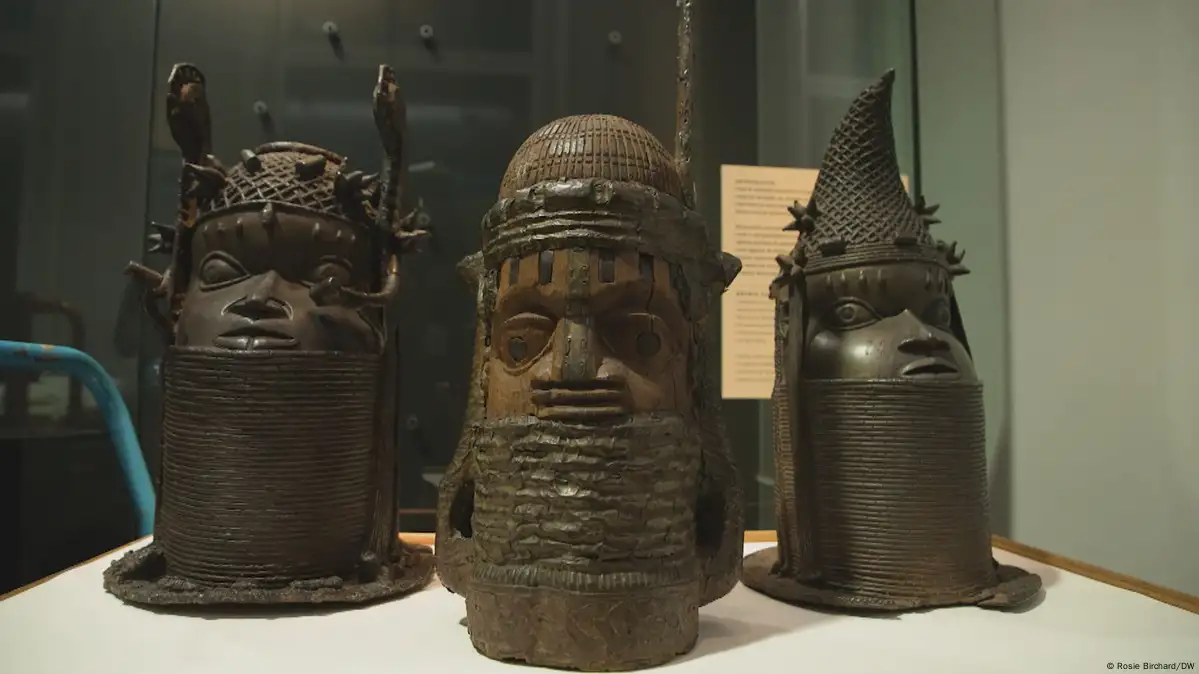
To stand in the presence of Ifè art is to confront a level of technical mastery and hyper-realistic portraiture that leaves observers across epochs breathless. Between the thirteenth and fifteenth centuries, the master sculptors of this sacred metropolis breathed life into terracotta and cast breathtaking bronze heads—such as the iconic, majestic Olukun head—with a fidelity to human anatomy and emotional depth that stunned the Western world. When European explorers first encountered these masterpieces in 1910, their entrenched colonial biases and racial prejudices were so violently upended that they could not fathom an indigenous African civilization possessing such sophisticated aesthetic brilliance. Trapped in their own historical myopia, they resorted to wild, absurd myths, incorrectly attributing the sculptures to the mythical lost civilization of Atlantis rather than acknowledging the brilliant Black hands that shaped them.
Related article - Uphorial Shopify
Yet, the majesty of Ilé-Ifè was never merely a matter of aesthetic beauty; it was anchored in an industrial and economic powerhouse that dominated the West African region. Archaeological excavations within the historic Igbo Olukun district have revealed a startling historical truth: between the thirteenth and fourteenth centuries, the city operated an expansive, industrial-scale glass production facility. This sprawling manufacturing complex produced beads and glass artifacts that were traded across vast continental networks, serving as the formidable economic backbone of the empire and establishing Ifè as a premier commercial nexus of the medieval world. The intelligent curation of these archaeological findings shatters the simplistic colonial trope of pre-industrial Africa, replacing it with the reality of an advanced, specialized manufacturing economy.
This economic prosperity was matched by an extraordinary level of civic architecture and urban sophistication that rivaled any contemporary European capital. Ilé-Ifè was not a chaotic cluster of dwellings, but a meticulously organized urban center featuring wide streets, communal squares, and courtyards paved with broken pottery, quartz pebbles, and stone ceramics—a testament to civic pride and environmental engineering. At the apex of this sophisticated society stood the Oni, the divine king whose sacred authority anchored a complex spiritual and political administration. The city operated as a harmonious convergence of divine governance, urban planning, and civic order, creating an environment where art, philosophy, and commerce could flourish in tandem.
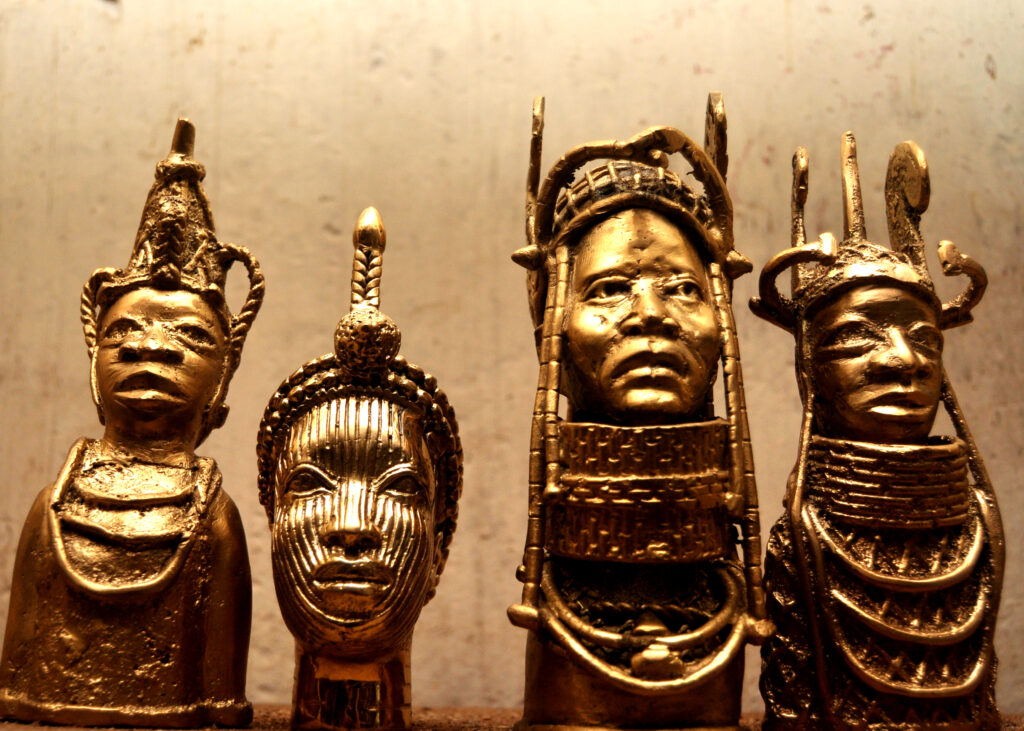
Like all great empires of antiquity, however, Ilé-Ifè eventually faced the shifting tides of geopolitical reality. Around 1400 AD, the city began a slow, mysterious decline, likely catalyzed by a confluence of disruptive shifts in trans-Saharan and regional trade routes, internal political fragmentation, and the eventual loss or suppression of specialized technological knowledge like glassmaking. Yet, the collapse of Ifè’s physical dominance was far from an end; it was a profound metamorphosis. As populations dispersed, the artistic, technological, and political influence of Ilé-Ifè radiated outward, laying the vital cultural and dynastic foundations for neighboring kingdoms such as Benin and Owo, whose own artistic renaissances trace their direct lineage back to the master smiths of Ifè.
Furthermore, the spiritual and cultural DNA of the sacred city refused to be contained by geography or the brutal disruptions of history. When the transatlantic slave trade violently uprooted millions of Yoruba sons and daughters, they carried the spiritual traditions, cosmology, and reverence of Ilé-Ifè across the ocean to the New World, where Ifè's heartbeat echoes powerfully to this day in the religious and cultural practices of the diaspora across Brazil, Cuba, Haiti, and North America. Ultimately, the story of Ilé-Ifè is a triumph of strategic storytelling and historical reclamation—a solemn, inspiring reminder that the sacred soil of southwestern Nigeria birthed an eternal light whose brilliance continues to illuminate the global heritage of humankind.