LAGOS - The modern partnership is frequently subjected to the most excruciating pressures of contemporary economic survival, testing whether vows of mutual support can withstand sudden unemployment, burnout, and the quiet erosion of domestic equity. In an era where corporate demands consume the waking hours and the cost of living turns basic stability into a luxury, couples often find their carefully constructed lives upended by a single pink slip. In a deeply poignant, unflinchingly honest cinematic narrative exploring the hidden fractures of modern marriage, partners Ta and Nazo navigate the devastating collision between professional ambition and domestic reality. Through emotional precision, intelligent curation, cultural understanding, strategic storytelling, and transformational framing, this comprehensive news-style report examines a harrowing domestic crisis, the inversion of traditional roles, and the painful path toward emotional reconciliation.
The narrative arc begins in the shadow of sudden economic shock, unfolding in the immediate aftermath of Ta being laid off from his job. Almost overnight, the couple is plunged into severe financial strain, scrambling to reconcile dwindling savings with the relentless, unyielding demands of childcare and their respective professional aspirations. While Nazo continues grinding away in a punishing, high-pressure corporate environment that demands absolute mental availability, Ta embarks on a soul-crushing quest to find new employment in a contracting market. Through emotional precision, this opening phase captures the suffocating, silent terror of modern financial vulnerability, where a single corporate decision can destabilize an entire family's sense of identity and security.

Related article - Uphorial Shopify

As the weeks bleed into months with no job offers on the horizon, the couple is violently forced into an unconventional domestic dynamic where traditional expectations shatter, casting Ta into the role of primary caregiver for their young daughter. For Ta, transitioning from a corporate provider to a stay-at-home father brings an unexpected wave of isolation, emasculation, and exhaustion; for Nazo, carrying the sole financial weight while managing household guilt creates an overwhelming burden. This abrupt role reversal causes a slow-burning, toxic friction to take root between them, characterized by unspoken resentments, competing exhaustion, and the bitter feeling that neither partner’s sacrifices are truly seen or valued by the other. Through intelligent curation of marital tension, this dynamic exposes how deeply internalized gender roles can poison even the most loving partnerships when economic survival forces a sudden script rewrite.
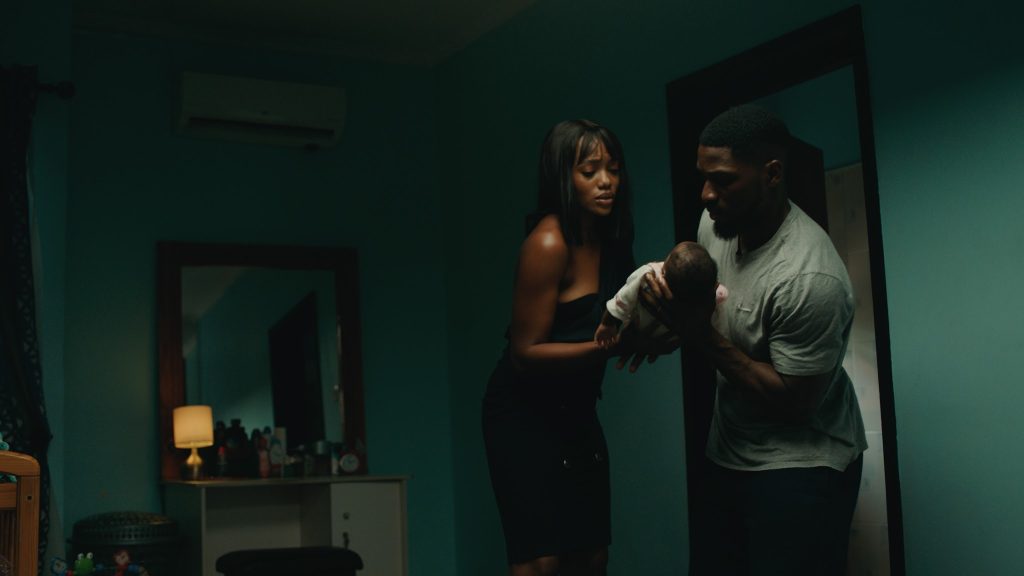
The compounding misunderstandings and unexpressed grief inevitably accelerate toward a volatile breaking point during a fateful afternoon when Ta, pushed to his absolute psychological edge, brings their young child directly to Nazo's corporate workplace. What begins as a desperate cry for help instantly erupts into a raw, public, and intensely heated confrontation in the middle of the office—a blistering clash where years of frustration, unshared domestic labor, clashing expectations, and the crushing weight of maintaining their household finally boil over into the open. Through strategic storytelling, this workplace confrontation serves as a dramatic centerpiece, laying bare the collateral damage that occurs when domestic failures bleed into professional spaces and two exhausted human beings have nothing left to protect their vulnerability.
Yet, from the ashes of this explosive public confrontation comes the painful, necessary catalyst for healing, as the film culminates in a deeply vulnerable, late-night dialogue between the two partners. Stripped of their defensive armor and utterly exhausted by the war of attrition they have waged against one another, Ta and Nazo finally listen without interrupting, acknowledging the profound exhaustion of their situation and admitting their individual failures to protect their union. In an act of profound grace, they agree to dismantle their rigid expectations, renegotiate their domestic roles, and rebuild a system of mutual support that honors both Nazo's career and Ta's paternal contributions. Through transformational framing, this domestic crisis is elevated from a tragic marital breakdown into a profound meditation on modern partnership—proving that true love is not the absence of conflict, but the courageous willingness to tear down old roles, sit in the wreckage, and rebuild a life together from the ground up.