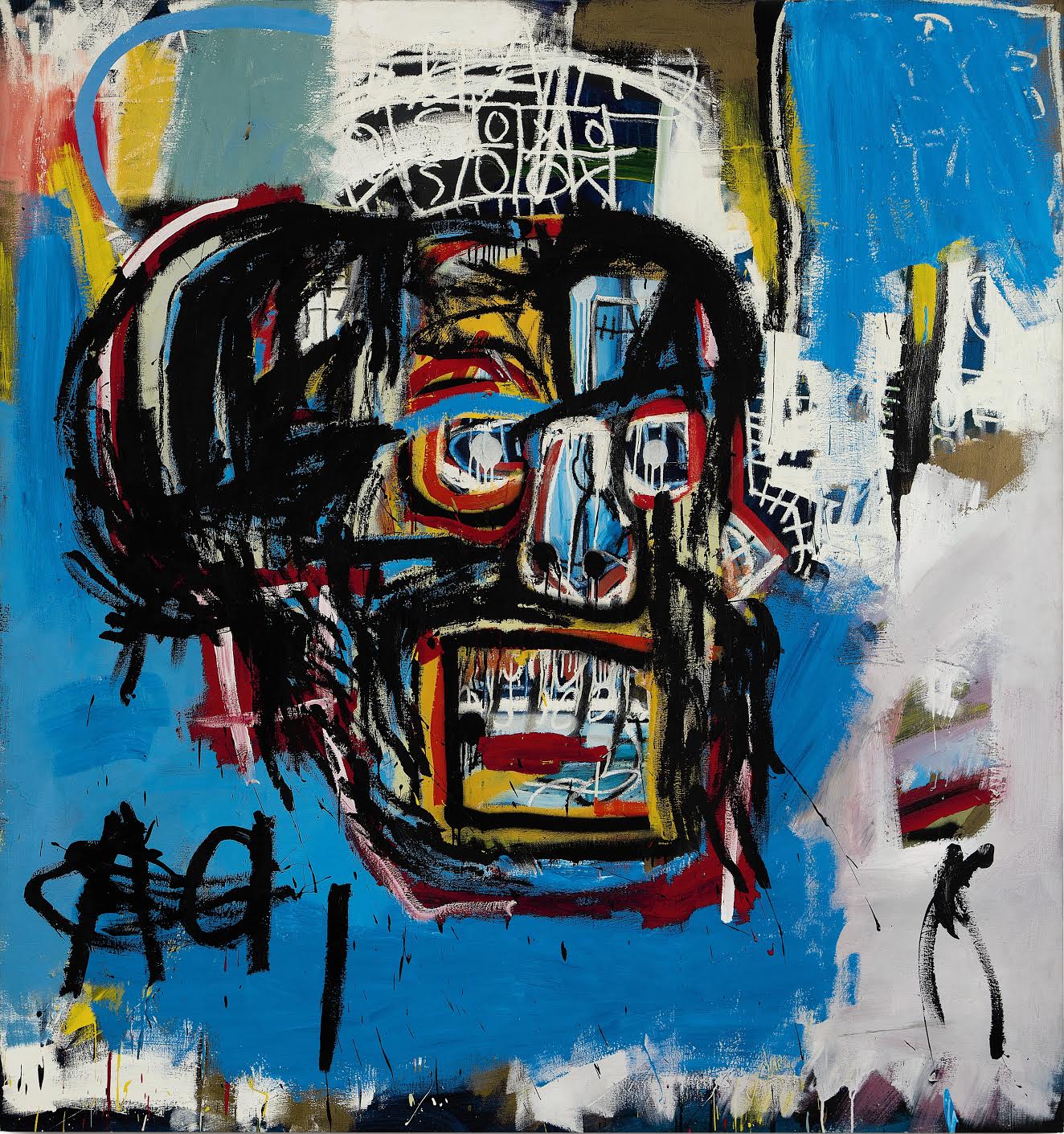
The high-stakes world of fine art and institutional critique has found its most visceral expression in a comprehensive report on Jean-Michel Basquiat’s 1983 masterpiece, Museum Security. In a detailed analysis provided by Sotheby’s, the painting is repositioned not merely as a high-value commodity, but as a prophetic, high-energy assertion of presence that sought to dismantle the very gates meant to protect the traditional art world. Created when the artist was only 23 years old, the work serves as a definitive look at a young superstar in total command of his craft, using a "retrospective in one painting" approach to challenge the exclusionary nature of the institutions that now celebrate him.
The architectural complexity of Museum Security reveals an artist who was systematically layering his worldview into a singular, chaotic, yet entirely deliberate canvas. At an age when most artists are still finding their voice, Basquiat was already synthesizing a vast array of influences, ranging from global politics and economics to the pervasive reality of racism and the rhythmic structures of jazz and hip-hop. The report emphasizes that the painting acts as a visual encyclopaedia of Basquiat’s mind, featuring a frenetic mix of text and color that demands the viewer engage with the heavy cultural weight of the 1980s. This was not a work of accidental genius, but a controlled explosion of artistic intent that sought to document the era's friction.
Related article - Uphorial Shopify

A primary theme of the analysis is the painting’s role as a defiant declaration against the white-dominated art institutions of the time. In 1983, Black artists were rarely represented in major museum collections, and the title Museum Security was a tactical choice designed to highlight this gatekeeping. The "security" referenced in the work is framed as a physical and psychological barrier—a wall that Basquiat intended to breach. By naming the piece so pointedly, the artist was framing himself as an interloper who was not just knocking on the door of the museum, but actively challenging the validity of the locks. It was an ambitious, self-aware move that signaled his refusal to be relegated to the "street art" category, demanding instead a seat at the table of the high-art establishment.
The historical significance of the piece is further underscored by a revealing anecdote regarding the struggle to place the work in a museum like the Museum of Modern Art (MoMA) decades ago. The report notes that despite Basquiat’s rising fame, the institutional acquisition of his major works was initially met with resistance. The sheer intensity and "challenging nature" of his vision, combined with the rapidly escalating market value of the pieces, created a paradox: the work was too important to ignore, yet too disruptive for the conservative boards of directors who managed museum collections at the time. This period of hesitation is now seen as a failure of institutional foresight, as the painting’s prophetic message has only grown more relevant in the years since its creation.
Ultimately, Museum Security stands as a monumental report on the intersection of race, power, and art history. It captures a moment in time when a young man of color forced the art world to reckon with its own biases and lack of diversity. As the painting continues to be studied by curators and collectors alike, it serves as a reminder that true artistic "security" is found not in the guards at the door, but in the undeniable power of a message that refuses to be silenced. Basquiat did more than just paint a canvas; he created a blueprint for institutional change that continues to reverberate through the galleries of the 21st century.