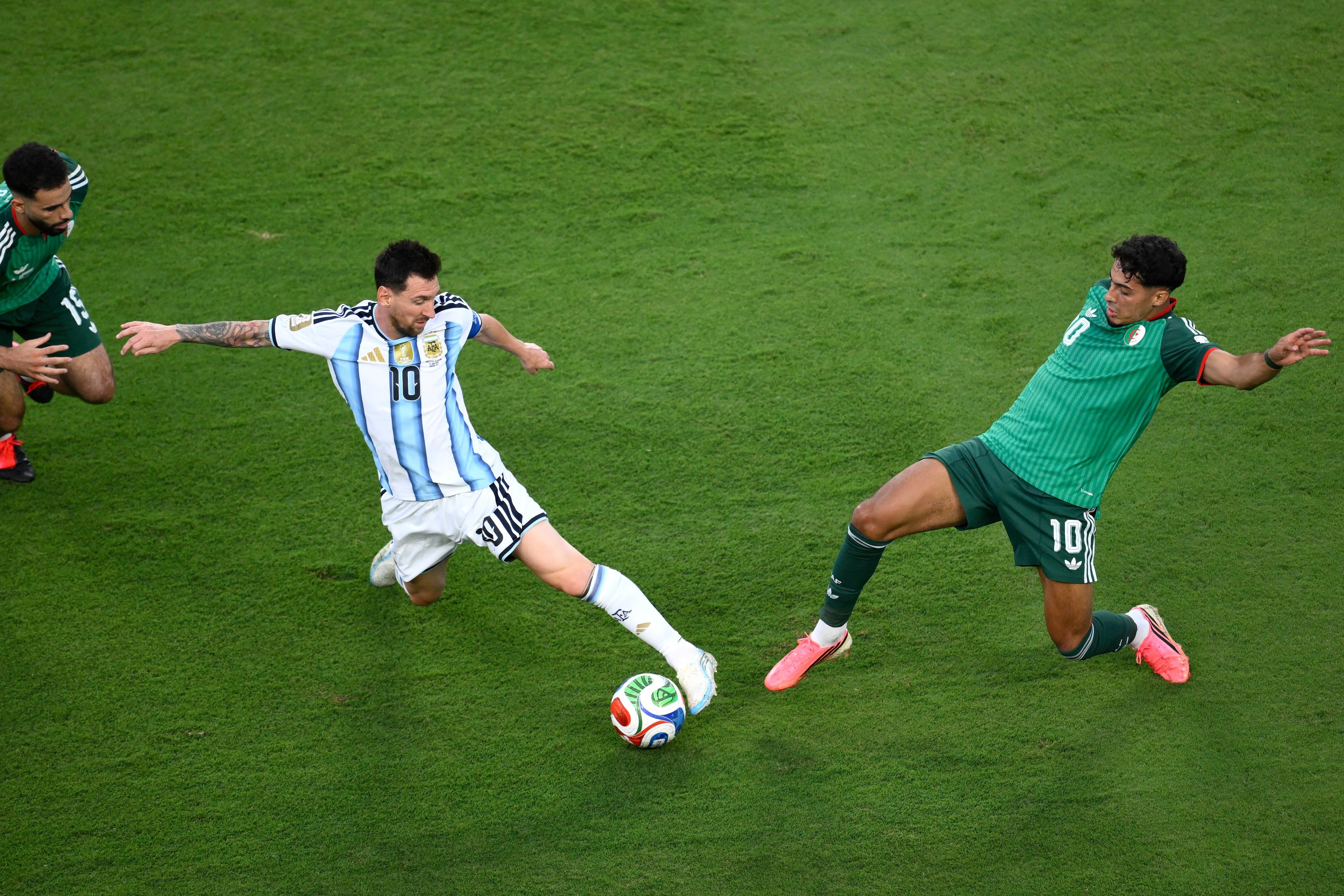
KANSAS CITY – The night at Kansas City Stadium was meant to be a celebration of longevity, but by the final whistle, it had transformed into a masterclass of timelessness. Under the vibrant lights of the 2026 FIFA World Cup™, Lionel Messi did not just mark his 200th appearance for Argentina; he dismantled the very idea that greatness has an expiration date. In a 3-0 victory over a resilient Algeria, the Argentine captain reminded a global audience that while records are made to be broken, legends are forged through the relentless pursuit of the impossible.
The atmosphere in Kansas City was electric, charged with the anticipation of a tournament opener. For Argentina, the path to back-to-back glory began with a match that initially stuttered in the shadow of fine margins. The early minutes were a blur of adrenaline and tension; Argentina found the back of the net, only for the officiating team to strike with clinical precision, ruling out the opening effort due to a razor-thin offside infraction. It was a nervous opening, a reminder that on the world’s biggest stage, even the most legendary figures are subject to the cold, digital scrutiny of modern football.Yet, it was precisely that moment of frustration that seemed to galvanize the Argentine talisman. In the 17th minute, the narrative shifted. Receiving possession with the cold clarity of a man who has seen everything the game can offer, Messi rolled his defender and stepped into space 30 yards from goal. What followed was a familiar sight—a precise, curling strike that bypassed the goalkeeper’s outstretched reach. It was the spark that ignited the stadium and silenced the questions surrounding the reigning champions' form.
Related article - Uphorial Shopify

As the match progressed, the sheer inevitability of Messi’s presence became the defining theme. If the first goal was a reminder of his enduring technical craft, the second in the 60th minute was a testament to his predatory instinct. When a powerful strike from Alexis Mac Allister proved too difficult for the keeper to handle, it was Messi who arrived first, reacting with a sharpness that defied his 38 years. He pounced on the rebound with his right foot, doubling Argentina's lead and pushing his side firmly into the driver’s seat.The final flourish arrived in the 76th minute, a moment that felt scripted by history itself. Completing a move he had initiated with his signature poise, Messi orchestrated a seamless one-two sequence before side-footing the ball into the corner of the net. It was the completion of his first-ever World Cup hat-trick—a feat that, given his exhaustive list of accolades, somehow remained a missing piece in his trophy cabinet until now.
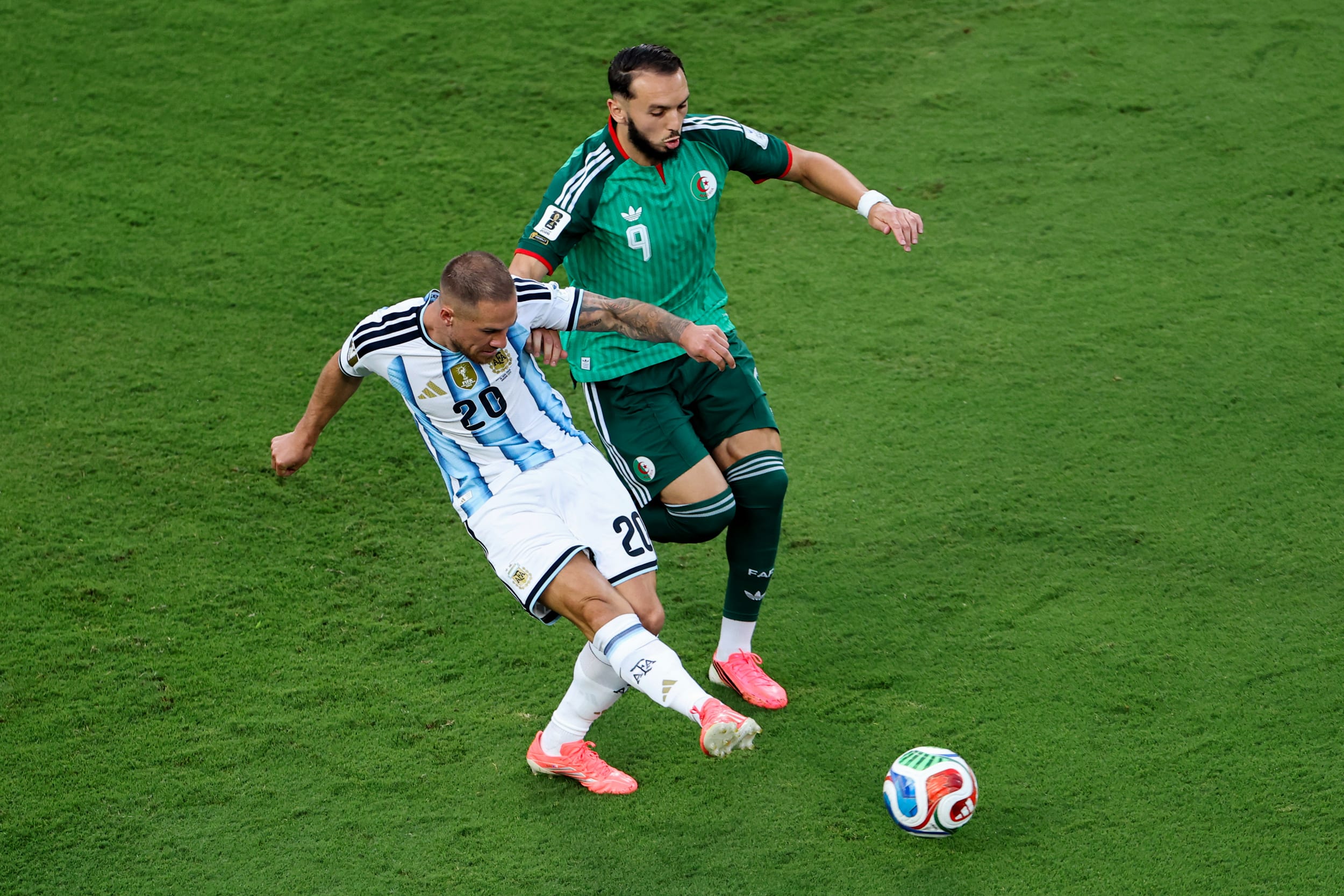
This performance carried a weight far beyond the three points earned in the Group J opener. By reaching 16 total goals in the tournament, Messi leveled the all-time World Cup scoring record held by Germany’s Miroslav Klose. It was a poetic milestone, occurring exactly 20 years to the day after his World Cup debut in 2006. As he stood on the pitch, having become the first man to play in six different World Cup editions, the magnitude of the moment was palpable.For coach Lionel Scaloni, the performance offered little left to say, reflecting a sentiment shared by millions watching around the world: the realization that they were witnessing the final chapters of an unprecedented career. Argentina’s clinical dismantling of Algeria served as a clear, authoritative signal to the rest of the tournament field. They are not merely here to defend their crown; they are here to ensure that the era of Lionel Messi ends on the highest possible note. As the team looks toward their upcoming matches, the narrative is no longer just about the quest for another trophy—it is about the enduring power of a legend who refuses to yield to the passage of time.